Metallurgical coke, a critical raw material in the iron and steel industry, requires efficient and reliable material handling systems to ensure smooth production operations. The conveyance of metallurgical coke involves a series of processes designed to transport coke from storage areas to processing units, such as blast furnaces or coke ovens. This article explores the operational process and working principles of metallurgical coke material conveying, highlighting key components, operational steps, and the technical aspects that contribute to effective coke handling.
Overview of Metallurgical Coke Conveying Systems
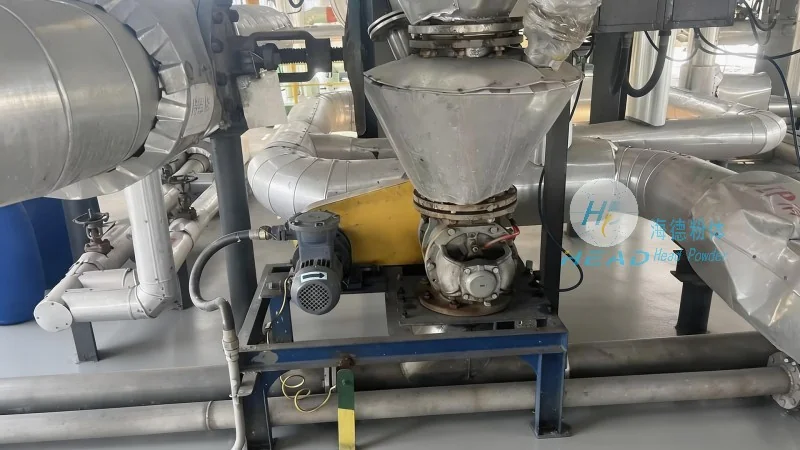
Metallurgical coke conveying systems are engineered to handle the unique characteristics of coke, including its high density, irregular shape, and abrasive properties. These systems typically consist of a combination of equipment such as belt conveyors, screw conveyors, bucket elevators, and pneumatic conveyors, each selected based on the specific requirements of the coke handling application. The primary goal is to ensure that coke is transported safely, efficiently, and with minimal loss or degradation, while maintaining the integrity of the material for downstream processes.
Key Components and Equipment in Coke Conveying
The conveyance of metallurgical coke relies on several key components that work in tandem to achieve the desired results. One of the most common equipment used is the belt conveyor, which is ideal for transporting large volumes of coke over long distances. The belt conveyor system includes a drive unit, idlers, pulleys, and a hopper or loading chute that feeds the coke onto the belt. The design of the belt and the tensioning system is crucial to prevent slippage and ensure consistent material flow. Additionally, the use of heavy-duty, abrasion-resistant materials for the conveyor components is essential to withstand the wear and tear caused by the coke.
Another important component is the bucket elevator, which is used to lift coke vertically, often from ground level to elevated storage or processing areas. Bucket elevators consist of a series of buckets attached to a chain or belt that moves vertically within a housing. As the buckets ascend, they scoop up coke from a hopper at the bottom and discharge it at the top, where it is collected and transferred to the next stage of the process. The speed and capacity of the bucket elevator are carefully controlled to match the production rate of the coke handling system.
Screw conveyors are also commonly employed in metallurgical coke conveying, particularly for horizontal or slight incline transport. These systems use a rotating screw or auger to move coke through a trough or pipe. Screw conveyors are effective for handling dry, free-flowing materials like coke and can be designed with variable pitch screws to adjust the conveying speed and capacity. The use of a sealed housing helps to contain dust and prevent material spillage, which is important for maintaining a clean and safe working environment.
Operational Process of Metallurgical Coke Conveying
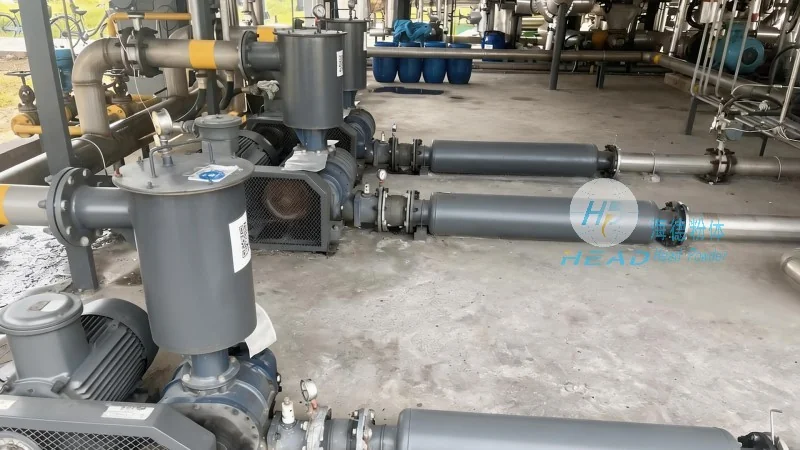
The operational process of metallurgical coke material conveying begins with the storage of coke in a stockpile or silo. From there, the coke is fed into the conveyor system through a loading hopper or chute. The first stage typically involves a primary conveyor that transports the coke from the storage area to a processing or blending unit. This may involve mixing the coke with other materials, such as limestone or iron ore, to adjust the chemical composition for the blast furnace.
Once the coke has been processed or blended, it is transferred to a secondary conveyor system that moves it to the final destination, such as the blast furnace or a coke oven. The conveyors are designed to operate continuously, with minimal downtime, to ensure a steady supply of coke to the production line. The system includes sensors and control mechanisms that monitor the flow rate, tension, and temperature of the conveyor components, allowing for real-time adjustments to maintain optimal performance.
During the conveying process, it is essential to maintain proper moisture levels in the coke. Excessive moisture can cause the coke to clump or stick to the conveyor belt, leading to blockages and reduced efficiency. Conversely, too little moisture can cause the coke to become too dry and dusty, which may affect the combustion process in the blast furnace. Therefore, the conveying system may include moisture control measures, such as spray systems or drying units, to regulate the moisture content of the coke as it moves through the process.
Working Principles and Technical Considerations
The working principles of metallurgical coke conveying are based on the principles of mechanical transport and material handling. The primary principle is the transfer of energy from the drive unit to the conveyor components, which then moves the coke through the system. The efficiency of the system depends on several technical factors, including the design of the conveyor components, the type of material being handled, and the operating conditions.
One of the key technical considerations is the selection of the appropriate conveyor type based on the specific characteristics of the coke. For example, belt conveyors are suitable for large, irregularly shaped coke pieces, while screw conveyors are better suited for smaller, more uniform particles. The choice of equipment also depends on the distance and elevation changes required for the transport, as well as the production capacity needed to meet the demands of the steel plant.
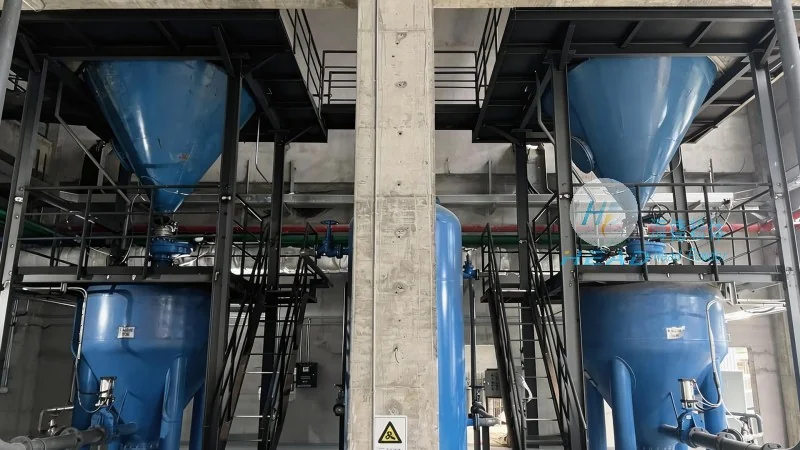
Another important consideration is the maintenance and reliability of the conveying system. Regular maintenance is essential to ensure that the equipment operates efficiently and without breakdowns. This includes routine inspections of the belt tension, pulley alignment, and component wear. The use of high-quality, durable materials for the conveyor components is crucial to extend the service life of the system and reduce maintenance costs.
The control systems used in modern metallurgical coke conveying systems are sophisticated and include sensors, controllers, and automation technologies. These systems monitor various parameters, such as flow rate, temperature, and pressure, and adjust the operation of the conveyor components accordingly. This allows for precise control of the coke flow and helps to prevent issues such as overloading or underloading of the conveyor. The integration of automation also improves safety by reducing the need for manual intervention in the handling process.
Conclusion
In conclusion, the operation process and working principles of metallurgical coke material conveying are critical to the efficient and reliable operation of the iron and steel industry. The systems used to transport coke must be designed to handle the unique properties of the material, including its density, shape, and abrasive nature. By employing a combination of equipment such as belt conveyors, bucket elevators, and screw conveyors, and by following proper operational procedures, the conveying process can be optimized to ensure a steady supply of high-quality coke to the production units.
Shandong HeadPowder Engineering Co., Ltd., a leading provider of material handling solutions, specializes in the design and implementation of metallurgical coke conveying systems. With years of experience in the industry, the company has developed advanced technologies and expertise to meet the diverse needs of steel plants worldwide. The company's commitment to quality, reliability, and innovation has made it a trusted partner for many leading steel manufacturers, helping them to improve their production efficiency and reduce operational costs.




