Understanding the operation process and working principle of dry sludge material conveying is crucial for optimizing waste management systems and ensuring efficient treatment of sludge. This article provides a detailed overview of the key components, operational steps, and technical aspects involved in the dry sludge conveying system, presented by Shandong HeadPowder Engineering Co., Ltd., a leading provider in the field.
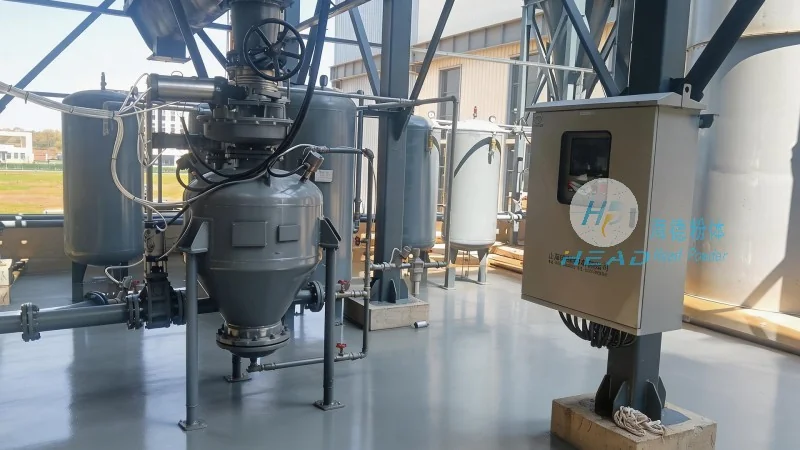
Overview of Dry Sludge Material Conveying Systems
Dry sludge material conveying systems are designed to transport solid waste materials, such as dried sludge, in a dry or semi-dry state. These systems are integral to modern wastewater treatment facilities, as they enable the efficient removal and disposal of sludge while minimizing moisture content. The primary goal is to achieve a high degree of dewatering, which reduces the volume of sludge and facilitates subsequent handling or disposal methods.
Key Components of the Conveying System
The dry sludge conveying system typically consists of several interconnected components that work in tandem to ensure smooth operation. These components include the sludge feeding mechanism, drying equipment, conveyor belts or pneumatic systems, and control units. Each component plays a vital role in the overall process, and their proper integration is essential for optimal performance.
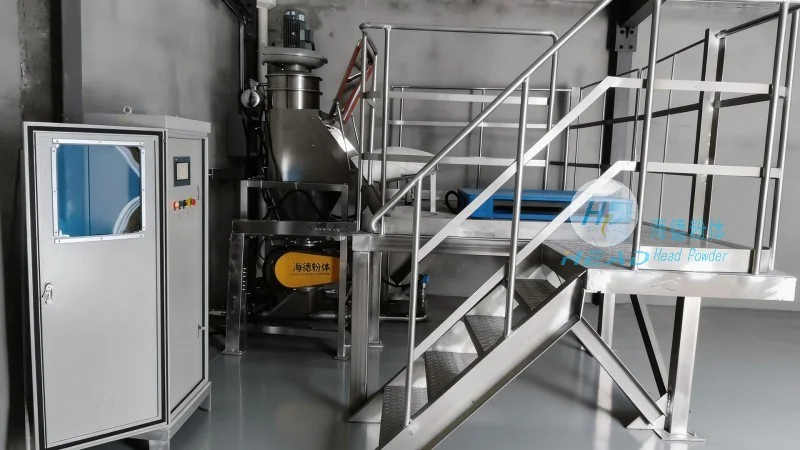
Operation Process: Step-by-Step Breakdown
The operation process of dry sludge material conveying involves a series of sequential steps that ensure the efficient movement and treatment of sludge. The following is a detailed breakdown of the typical operational workflow:
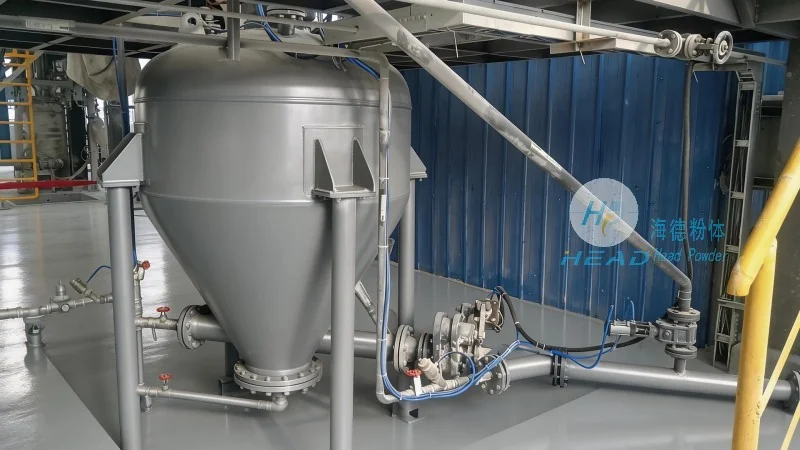
- Sludge Feeding: The process begins with the feeding of raw sludge into the system. This is usually done using a hopper or a feeding conveyor that transports the sludge from the treatment tank to the drying equipment. The feeding mechanism ensures a consistent flow of sludge, which is critical for maintaining system efficiency.
- Drying Process: Once the sludge is fed into the drying equipment, it undergoes a drying phase. This step involves the application of heat or the use of drying agents to reduce the moisture content of the sludge. The drying process may involve multiple stages, such as pre-drying, primary drying, and final drying, depending on the system design and the desired moisture level.
- Conveying Mechanism: After the sludge is dried, it is transferred to the conveying system. This can be achieved through various methods, including belt conveyors, screw conveyors, or pneumatic conveying systems. The choice of conveying method depends on factors such as the sludge characteristics, the distance to be covered, and the required throughput.
- Collection and Disposal: The dried sludge is then collected and prepared for disposal or further processing. This may involve packaging, storage, or transportation to a disposal site. The system ensures that the dried sludge is handled safely and in compliance with environmental regulations.
Working Principle: How the System Functions
The working principle of the dry sludge material conveying system is based on the integration of mechanical and thermal processes to achieve efficient sludge treatment. The system operates by first removing excess moisture from the sludge, followed by transporting the dried material to its destination. The key to the system's effectiveness lies in the precise control of each component and the coordination of the operational steps.
Technical Considerations and Optimization
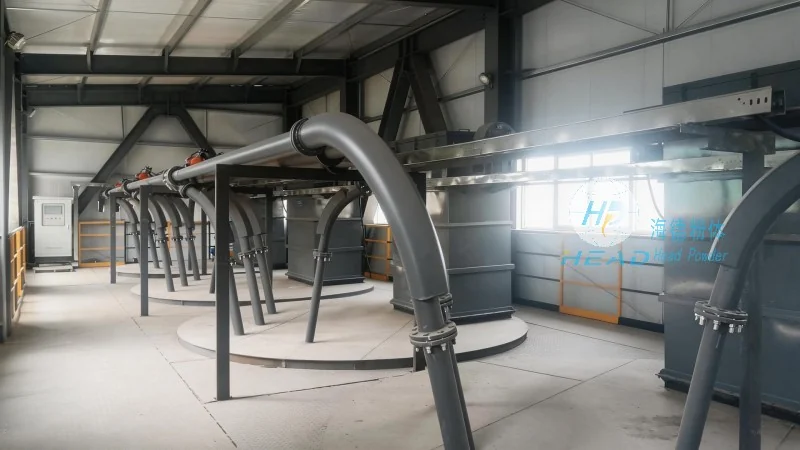
Several technical considerations are essential for optimizing the performance of dry sludge material conveying systems. These include the selection of appropriate drying equipment, the design of the conveying system to minimize friction and energy loss, and the implementation of control systems to monitor and adjust the process parameters. Regular maintenance and monitoring are also crucial to ensure the system operates at peak efficiency and to prevent any potential issues.
Conclusion
Shandong HeadPowder Engineering Co., Ltd. specializes in the design, manufacturing, and installation of dry sludge material conveying systems, providing comprehensive solutions for waste management needs. By understanding the operation process and working principle of these systems, facilities can enhance their operational efficiency, reduce costs, and contribute to a more sustainable approach to sludge treatment. The company's expertise and commitment to quality ensure that clients receive reliable and effective solutions tailored to their specific requirements.




