Dry pebble pneumatic conveying lines are advanced industrial systems engineered to transport dry, granular materials such as pebbles, sand, or similar particulate substances through a pipeline using air pressure. These systems are widely utilized across industries including mining, construction, and material processing due to their efficiency, flexibility, and ability to handle materials without direct mechanical contact. Understanding the operation process and working principle is essential for optimizing performance and preserving the integrity of the conveyed materials.
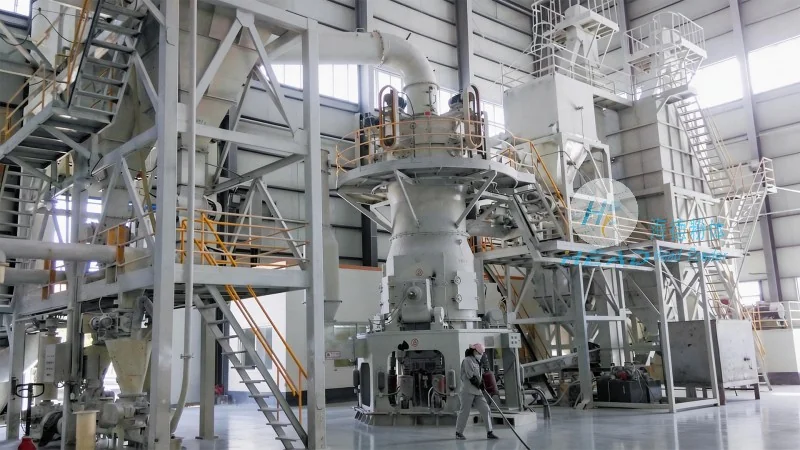
Key Components of the Dry Pebble Pneumatic Conveying System
The dry pebble pneumatic conveying line typically comprises several critical components that function in unison to achieve efficient material transport. These components include the material hopper, the air compressor or blower, the conveying pipeline, the control valves, and the discharge unit. The material hopper serves as the storage and feeding point for pebbles, equipped with a feeder mechanism—such as a rotary valve or screw feeder—to regulate material flow into the pipeline. The air compressor or blower generates the necessary air pressure to move material through the pipeline. The conveying pipeline is constructed from durable materials like stainless steel or PVC to withstand pressure and abrasion from pebbles. Control valves are employed to regulate air and material flow, ensuring smooth operation and preventing blockages. The discharge unit is where material is released from the pipeline, typically into a storage bin or processing equipment.
Operation Process of the Dry Pebble Pneumatic Conveying Line
The operation process of the dry pebble pneumatic conveying line initiates with pebbles loaded into the material hopper. The feeder mechanism then feeds material into the pipeline at a controlled rate, while the air compressor or blower starts generating required air pressure. Air is introduced into the pipeline at the hopper inlet, creating a low-pressure zone that draws pebbles into the pipeline. As the air-material mixture travels through the pipeline, air velocity is maintained to keep pebbles suspended and prevent settling or clogging. The line may include bends, expansions, or diameter changes, designed to accommodate flow without excessive pressure drops or material loss. The mixture continues until reaching the discharge unit, where air is separated from material and pebbles are released into the receiving container. Air is then filtered and recycled back to the compressor, completing the cycle.
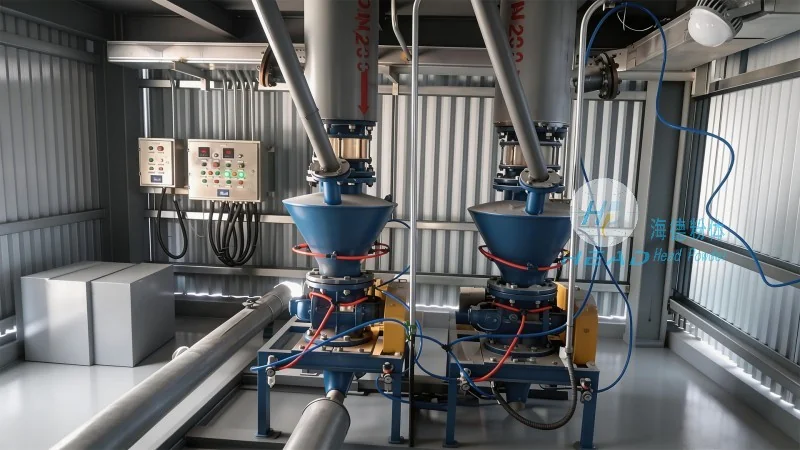
Working Principle of the Dry Pebble Pneumatic Conveying System
The working principle of the dry pebble pneumatic conveying line is based on pneumatic transport, where air acts as the medium to move solid materials. The system operates by creating a pressure differential between pipeline inlet and outlet. The air compressor or blower supplies high-pressure air to the inlet, while the outlet is at lower pressure (often atmospheric). This pressure difference generates air flow through the pipeline, carrying pebbles along. Efficient operation depends on maintaining air velocity to keep particles in suspension without excessive energy use or wear. The material is transported in a dilute phase (particles dispersed in air) or dense phase (particles closely packed), depending on material characteristics, pipeline length, and desired flow rate. Control mechanisms adjust air and material flow rates to keep pressure and velocity within optimal ranges, preventing blockages and ensuring consistent transport.
Advantages of Using Dry Pebble Pneumatic Conveying Lines
Dry pebble pneumatic conveying lines offer several advantages over traditional mechanical systems. A primary benefit is the ability to transport materials over long distances without multiple transfer points or elevators, reducing system complexity and cost. Another advantage is the lack of direct material-mechanical contact, minimizing wear and extending equipment lifespan. The system is flexible, easily modified or expanded for changing flow rates or pipeline lengths. It is also hygienic, suitable for clean handling of food or pharmaceutical materials. The dry pneumatic process can handle abrasive materials without significant pipeline or component damage.
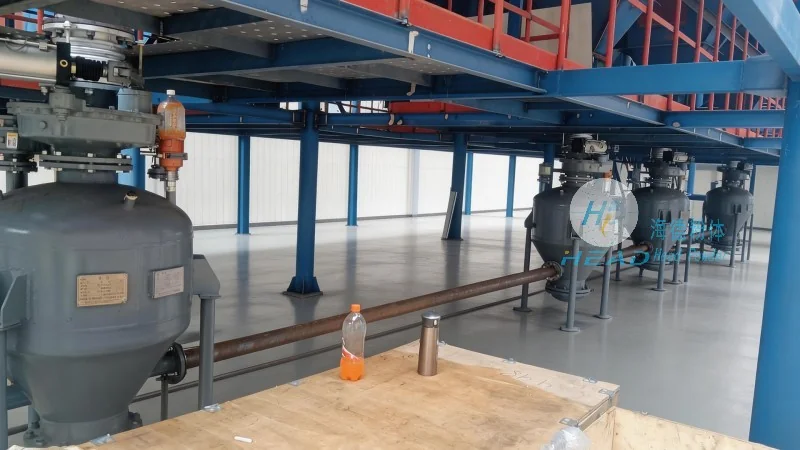
Maintenance and Operational Considerations for Dry Pebble Pneumatic Conveying Lines
Maintaining performance and longevity of a dry pebble pneumatic conveying line requires regular maintenance and operational oversight. Regular inspection of the material hopper and feeder ensures no blockages or buildup. The air compressor or blower must be checked for proper operation, including air pressure and flow. The conveying pipeline should be inspected for wear, corrosion, or damage, with issues addressed promptly to prevent leaks or blockages. Control valves and discharge units also need maintenance to ensure smooth operation. Operational considerations involve monitoring material flow rate and air pressure to keep the system within optimal parameters. Deviations from normal conditions must be investigated and corrected. Proper operator training on system operation and maintenance is crucial for safe and efficient performance.
Conclusion
Dry pebble pneumatic conveying lines are efficient and reliable systems for transporting dry granular materials. Understanding the operation process and working principle is vital for optimizing performance and preserving material integrity. The system’s key components—material hopper, air compressor, pipeline, and control valves—work together to achieve smooth, consistent transport. By adhering to proper maintenance and operational procedures, the system provides long-term service and meets material handling needs across industries. As a leading provider, Shandong HeadPowder Engineering Co., Ltd. specializes in designing and manufacturing high-quality dry pebble pneumatic conveying lines tailored to specific application requirements.




