For industries dealing with glass fiber materials, efficient and reliable material handling is crucial. Pneumatic conveying equipment, particularly designed for glass fiber, plays a vital role in ensuring smooth production processes. This article explores the principles behind glass fiber material pneumatic conveying machines and highlights the key characteristics of their working scenes, providing insights into how these systems enhance operational efficiency in various industrial applications.
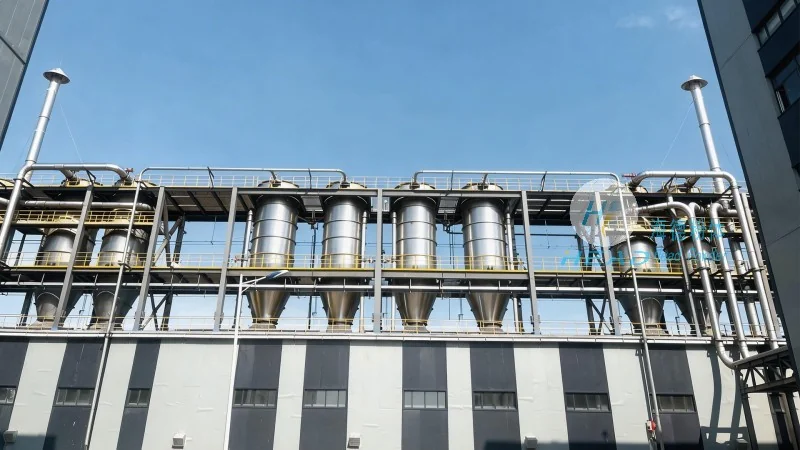
Introduction to Glass Fiber Material Pneumatic Conveying
Glass fiber materials, known for their high strength, thermal resistance, and lightweight properties, are widely used in construction, automotive, and aerospace industries. However, their handling presents unique challenges due to their abrasive nature and tendency to generate static electricity. Traditional bulk material handling methods may not be suitable for glass fiber, as they can cause damage to the fibers or lead to operational inefficiencies. Pneumatic conveying systems offer a solution by transporting glass fiber in a controlled environment, minimizing material degradation and ensuring consistent quality.
Principle of Pneumatic Conveying for Glass Fiber
The core principle of glass fiber material pneumatic conveying involves the use of compressed air or vacuum to move materials through a pipeline system. There are two main types of pneumatic conveying: positive pressure and negative pressure systems. Positive pressure systems use a blower to generate air pressure that pushes the material through the pipeline, while negative pressure systems use a vacuum to draw the material into the system. For glass fiber, positive pressure systems are often preferred as they provide better control over material flow and reduce the risk of dust generation.
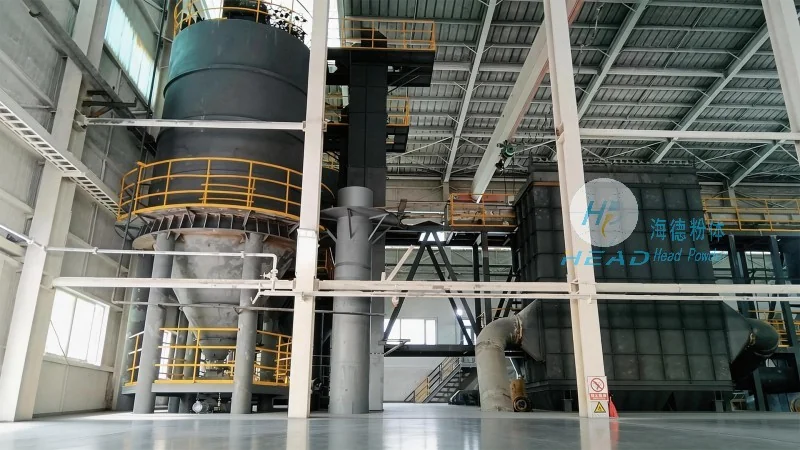
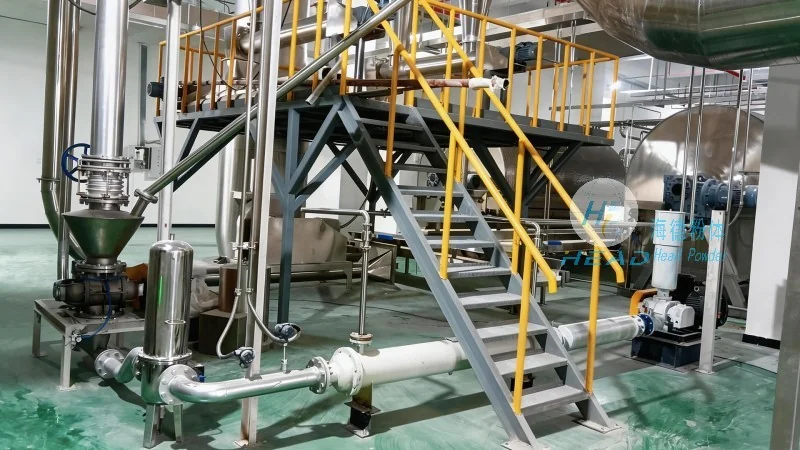
In a typical positive pressure system, glass fiber is fed into a hopper or feeder, where it is mixed with air from a blower. The mixture is then transported through a series of pipes to the discharge point. The air velocity within the pipeline is carefully controlled to ensure that the glass fibers are carried without causing excessive wear on the equipment or the fibers themselves. The design of the pipeline, including the diameter and length, is critical to maintaining the optimal air velocity and preventing material buildup or blockages.
Key Working Scene Characteristics
The working scene characteristics of glass fiber material pneumatic conveying systems are tailored to the specific requirements of different industrial applications. These characteristics include:
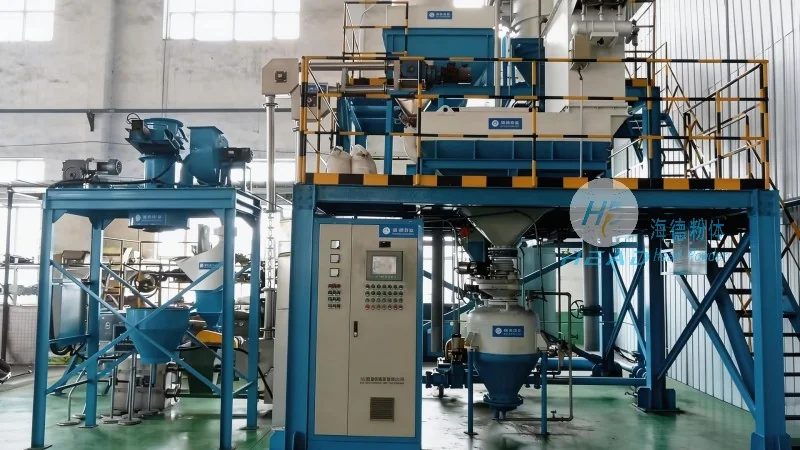
- Material Handling Efficiency: The system's ability to transport glass fiber at high speeds while maintaining low pressure drop is essential for reducing energy consumption and increasing throughput. Efficient conveying reduces downtime and improves overall production capacity.
- Equipment Durability: Glass fiber is abrasive and can cause wear on metal surfaces. Therefore, the design of the pneumatic conveying equipment, such as the use of wear-resistant materials for the hopper, feeder, and pipeline, is crucial. This ensures the longevity of the equipment and minimizes maintenance costs.
- Static Control: Glass fibers are prone to generating static electricity, which can lead to material buildup and safety hazards. Pneumatic conveying systems are equipped with static control measures, such as grounding and anti-static additives, to prevent these issues and ensure safe operation.
- Environmental Considerations: The system's design includes features to minimize dust emissions and maintain a clean working environment. This is particularly important in industries where air quality regulations are strict. Proper filtration and dust collection systems are integrated into the conveying process to comply with environmental standards.
Application Scenarios in Industrial Settings
Glass fiber material pneumatic conveying machines are widely used in various industrial settings, including:
- Glass Fiber Manufacturing: In the production of glass fiber roving, mat, and woven fabrics, pneumatic conveying systems are used to transport raw glass fibers from storage to processing equipment. This ensures a continuous and efficient supply of materials, reducing the need for manual handling and improving product consistency.
- Automotive and Aerospace: In the manufacturing of composite parts for vehicles and aircraft, glass fiber is used as a reinforcement material. Pneumatic conveying systems are employed to transport glass fiber to the molding or casting processes, ensuring that the material is delivered in a uniform and controlled manner. This enhances the quality and strength of the final products.
- Construction Materials: Glass fiber is used in the production of reinforced concrete and other construction materials. Pneumatic conveying systems help in transporting glass fiber from storage to mixing plants, ensuring that the material is evenly distributed and integrated into the final product.
Conclusion
Glass fiber material pneumatic conveying equipment is a critical component in modern industrial operations, offering efficient, safe, and reliable material handling solutions. By understanding the principles of pneumatic conveying and the specific characteristics of working scenes, industries can optimize their processes and improve overall productivity. Companies like Shandong HeadPowder Engineering Co., Ltd., with their expertise in designing and manufacturing specialized pneumatic conveying systems, provide tailored solutions that meet the unique needs of glass fiber applications.




