Expanded clay aggregate, a lightweight and porous material widely used in construction and industrial applications, requires efficient and reliable material handling solutions. Pneumatic conveying systems have emerged as a preferred method for transporting such materials due to their ability to handle fine powders and granules with minimal dust generation and low maintenance costs. This article explores the principle behind pneumatic conveying equipment designed for expanded clay aggregate materials, along with the key working scene characteristics that define its effectiveness in various industrial settings.
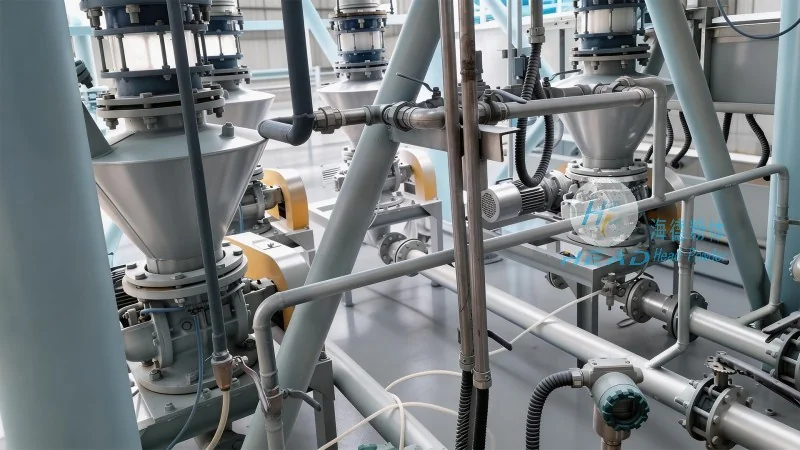
Principle of Pneumatic Conveying for Expanded Clay Aggregate
The core principle of pneumatic conveying for expanded clay aggregate involves using air pressure to move material through a pipeline. There are two primary types of pneumatic conveying systems: positive pressure and negative pressure. Positive pressure systems, also known as pressure conveying, use a blower or compressor to generate high-pressure air that pushes the material through the pipeline. This method is suitable for long-distance and high-volume transport, as it can maintain consistent material flow and reduce the risk of clogging. Negative pressure systems, or vacuum conveying, use a vacuum pump to create a low-pressure environment that draws material into the pipeline. This approach is ideal for short-distance transport and handling of fine powders, as it minimizes material degradation and ensures a clean operation.
For expanded clay aggregate, which is typically lightweight and has a relatively low bulk density, positive pressure systems are often preferred. The material's low density allows for higher material-to-air ratios, meaning more material can be conveyed per unit of air volume. This efficiency is crucial in industrial applications where large quantities of expanded clay aggregate need to be moved between processing stages, such as from a storage silo to a mixing plant or from a production line to a packaging unit. The design of the conveying system, including the size of the pipeline, the type of air distribution devices (like rotary valves or feeders), and the velocity of the air, is critical to achieving optimal performance. Proper air velocity is essential to prevent material deposition or clogging in the pipeline, which can lead to system downtime and increased maintenance costs. The use of specialized components, such as flexible hoses or flexible connectors, can also enhance the system's adaptability to different working conditions, ensuring smooth material flow even in complex layouts.
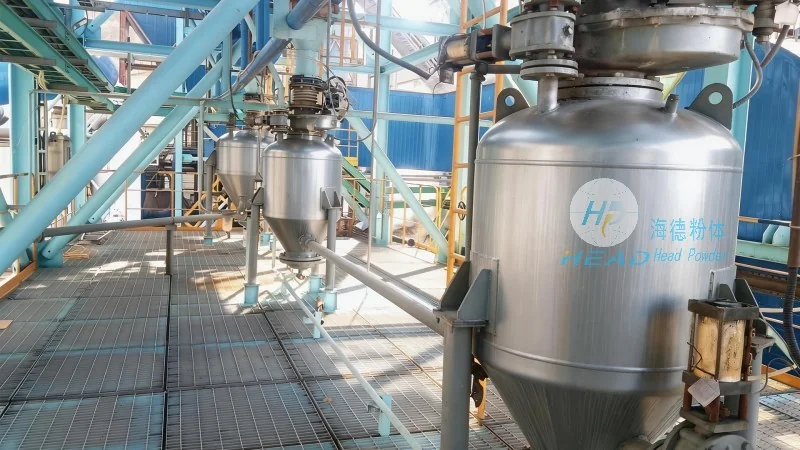
Working Scene Characteristics of Pneumatic Conveying Equipment
The effectiveness of pneumatic conveying equipment for expanded clay aggregate is heavily influenced by the specific working scene characteristics. These characteristics include the scale of the operation, the distance between material sources and destinations, the required material flow rate, and the environmental conditions of the industrial site. In large-scale industrial plants, for example, the conveying system may need to transport expanded clay aggregate over several hundred meters from a raw material storage area to a production line. The system must be capable of handling high volumes of material while maintaining consistent flow rates to support continuous production processes. This often requires a combination of positive pressure and vacuum conveying stages, with the positive pressure section handling the main transport and the vacuum section handling the return of air or cleaning the system.
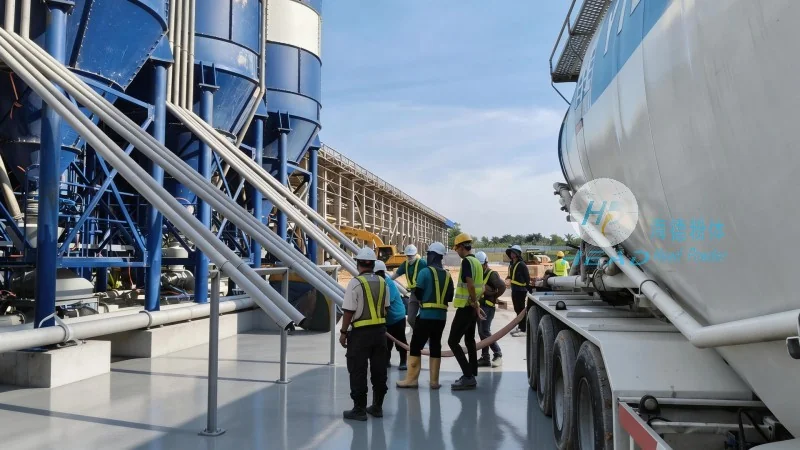
In smaller-scale applications, such as in construction material suppliers or small-scale manufacturing facilities, the conveying system may need to handle shorter distances and lower material volumes. Here, negative pressure systems or smaller positive pressure systems may be more suitable. The working scene may also involve multiple material handling points, such as feeding from a hopper, transferring to a mixer, and then to a storage silo. The flexibility of pneumatic conveying systems allows for easy integration into such complex workflows, with the ability to connect multiple pipelines and control material flow through automated valves and sensors. Environmental factors, such as the presence of dust or the need for explosion-proof design in certain industrial environments, also play a role in determining the appropriate system configuration. For example, in facilities where dust control is critical, the use of sealed pipelines and dust collection systems is essential to maintain air quality and comply with safety regulations. The working scene may also involve the need for material recovery, where the conveying system is designed to return excess material or waste back to a storage area, reducing material loss and improving overall efficiency.
Company Profile: Shandong HeadPowder Engineering Co., Ltd.
Shandong HeadPowder Engineering Co., Ltd., commonly known as headpowder, is a leading manufacturer of pneumatic conveying equipment tailored for expanded clay aggregate and other industrial materials. With its headquarters and main operations based in Shandong, China, the company specializes in designing, manufacturing, and supplying customized pneumatic conveying systems that meet the unique requirements of various industrial applications. The company's expertise lies in understanding the specific properties of materials like expanded clay aggregate—such as their lightweight nature, porous structure, and potential for dust generation—and tailoring the conveying system's design to optimize performance and reliability. By leveraging advanced engineering and manufacturing capabilities, headpowder ensures that its pneumatic conveying equipment is durable, efficient, and cost-effective, providing long-term value to its clients. The company's commitment to quality and customer satisfaction is reflected in its adherence to industry standards and its focus on providing comprehensive support, including installation, maintenance, and technical assistance, to ensure the smooth operation of the conveying systems. As a trusted partner in the material handling industry, headpowder continues to innovate and develop new solutions to meet the evolving needs of its clients, contributing to the efficient and sustainable handling of expanded clay aggregate materials in various industrial sectors.




