White ash, a common industrial material, often requires efficient and reliable handling solutions for transportation and processing. Pneumatic conveying systems offer a versatile method for moving such materials, and understanding their principles and application characteristics is crucial for optimizing industrial operations. This article explores the fundamental principles of white ash pneumatic conveying equipment, alongside key working scene features that highlight its effectiveness in various industrial settings.
Core Principles of Pneumatic Conveying for White Ash
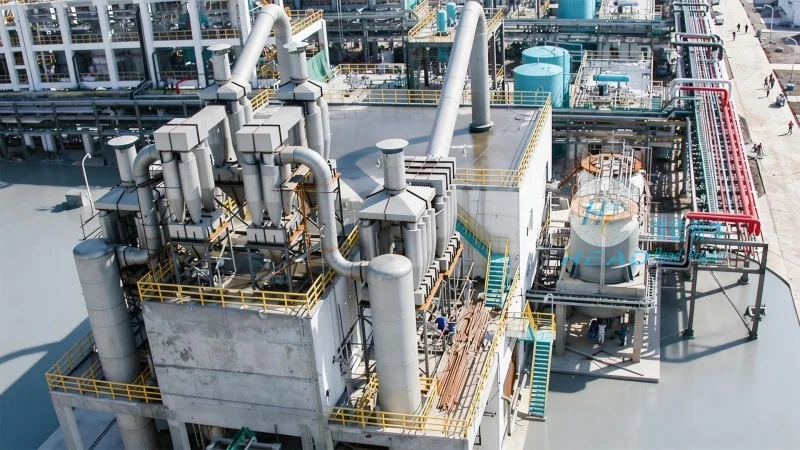
The operation of a white ash pneumatic conveying system is based on the principle of using air or gas to transport particulate materials through a pipeline. This method, known as pneumatic conveying, eliminates the need for mechanical components like belts or buckets, reducing maintenance and increasing operational efficiency. The system typically consists of a hopper for material storage, a blower or compressor to generate airflow, and a pipeline network that guides the material from the source to the destination. The air pressure or vacuum created by the blower propels the white ash particles through the system, ensuring smooth and continuous transport. Key factors influencing the system's performance include air velocity, material properties (such as particle size, density, and moisture content), and pipeline design. Proper selection of these parameters is essential to prevent blockages, ensure material flow, and maintain system efficiency.
Working Scene Characteristics and Applications
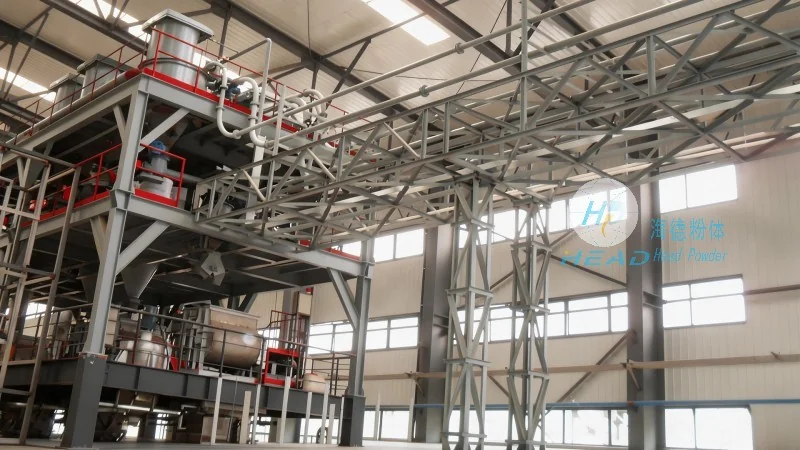
White ash pneumatic conveying systems are widely used in industrial environments where material handling demands precision and flexibility. The working scene characteristics of these systems include their ability to handle fine powders, minimize dust emissions, and operate in a closed system, which enhances safety and environmental compliance. In industrial settings, such as cement plants, power stations, and chemical processing facilities, these systems are employed to transport white ash from storage silos to processing units or for waste management purposes. The systems are also suitable for applications requiring long-distance transport, as the pneumatic method can cover significant distances without the need for intermediate transfer points. Additionally, the flexibility of pneumatic conveying allows for integration with other processing equipment, enabling seamless material flow within production lines. The working scene characteristics further include the ability to handle varying material loads and adjust to different operational conditions, making them adaptable to diverse industrial needs.
Advantages and Practical Considerations
Implementing white ash pneumatic conveying systems offers several advantages, including reduced labor costs due to automated material handling, lower energy consumption compared to traditional methods, and improved safety by minimizing manual handling of powders. However, practical considerations must be addressed to ensure optimal performance. These include regular maintenance of the blower and pipeline to prevent wear and tear, proper cleaning of the system to avoid material buildup, and monitoring of air pressure and flow rates to maintain consistent material transport. The system's design must also account for the specific properties of white ash, such as its tendency to agglomerate or clog pipelines, which may require additional features like vibration or agitation devices to maintain flow. Furthermore, the working scene characteristics of the system, such as the need for adequate space for installation and the impact on surrounding equipment, should be evaluated during the planning phase to ensure compatibility with existing industrial setups.
Conclusion and Company Overview
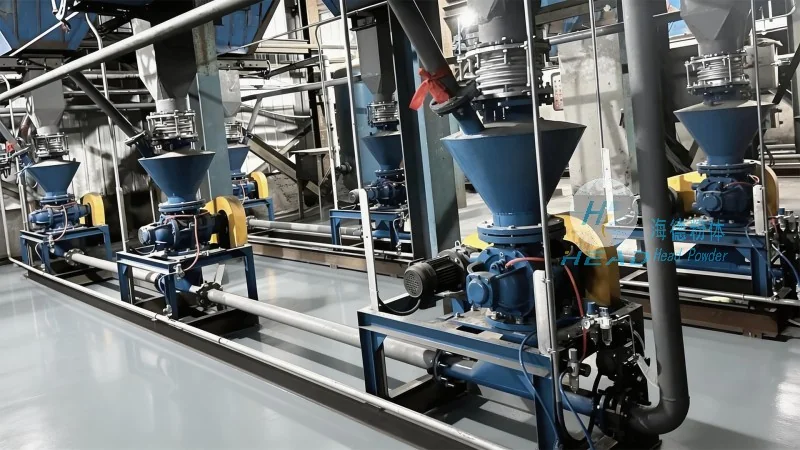
White ash pneumatic conveying systems represent a reliable and efficient solution for handling white ash materials in various industrial applications. By understanding the core principles and working scene characteristics, industries can optimize their material handling processes, enhance operational efficiency, and ensure compliance with safety and environmental standards. As a leading provider in the field, Shandong HeadPowder Engineering Co., Ltd. specializes in designing and manufacturing customized pneumatic conveying systems tailored to the specific needs of clients. With a focus on quality and innovation, the company delivers solutions that meet the demands of modern industrial operations, ensuring long-term performance and reliability. Based in Shandong, China, HeadPowder leverages its expertise to provide comprehensive material handling solutions, supporting industries in achieving their operational goals with advanced pneumatic conveying technology.




