Desulfurization gypsum, a byproduct of flue gas desulfurization in thermal power plants, is a valuable raw material in the building materials industry. The efficient and safe transportation of this fine powder is crucial for industrial processes. The desulfurization gypsum powder pneumatic conveying machine, developed by Shandong HeadPowder Engineering Co., Ltd., based in Shandong, China, addresses these challenges by providing a reliable solution for handling and transporting desulfurization gypsum powder. This article explores the underlying principles and the specific characteristics of working scenarios for such machines.
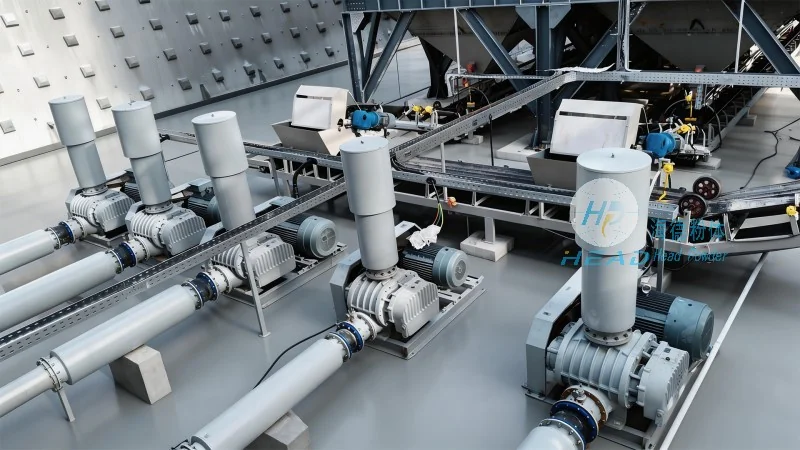
The Working Principle of Pneumatic Conveying Systems
At the core of the desulfurization gypsum powder pneumatic conveying machine is the pneumatic conveying technology, which utilizes air as the medium to transport powder materials. The system typically operates under either positive pressure or negative pressure, depending on the application requirements. In positive pressure systems, air is forced into the conveying line, carrying the gypsum powder from the source to the destination. Negative pressure systems, on the other hand, create a vacuum to draw the powder into the line. The machine's design incorporates components such as a blower, airlock, and pipeline network to ensure smooth and continuous material transport. The key to efficient operation lies in the balance of air flow rate and powder feed rate, which directly impacts the conveying capacity and system efficiency.
Key Components and Their Functions
The desulfurization gypsum powder pneumatic conveying machine consists of several critical components that work in tandem to achieve effective material handling. The blower or fan provides the necessary air pressure to move the powder. The airlock, often a rotary valve or a lock hopper, regulates the flow of powder into the conveying line, preventing backflow and ensuring a steady supply. The pipeline system, made of materials resistant to gypsum's chemical properties, ensures durability and minimal material degradation. Additionally, the system may include filters and separators to remove any entrained air or fine particles, maintaining the quality of the transported gypsum powder. Each component is carefully engineered to withstand the abrasive nature of the gypsum powder and the operational pressures involved.
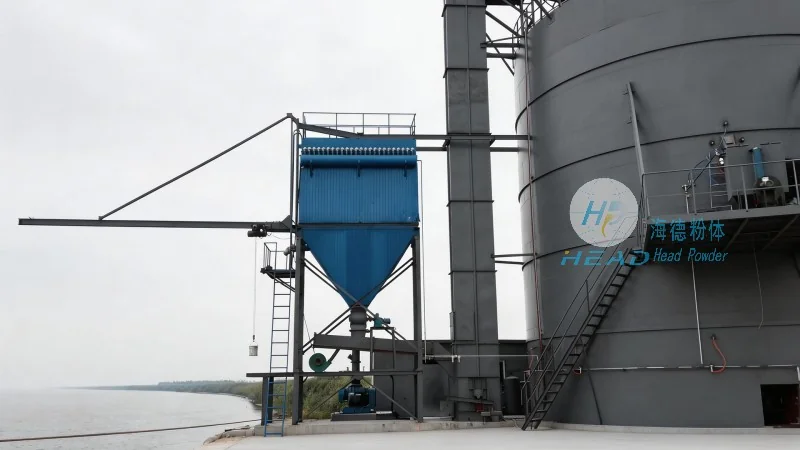
Working Scene Characteristics: Industrial Applications
The desulfurization gypsum powder pneumatic conveying machine is widely used in various industrial settings, particularly in power plants and building material manufacturing facilities. In thermal power plants, the machine is employed to transport desulfurization gypsum from the desulfurization system to storage or processing areas. This ensures that the gypsum, which is a byproduct of reducing sulfur dioxide emissions, is utilized rather than disposed of as waste. In building material factories, the machine facilitates the transport of gypsum powder to production lines for the manufacturing of gypsum boards, plaster, and other construction materials. The working scene characteristics include high-volume, continuous operation, and the need for precise control over the conveying process to maintain product quality and prevent material loss. The machine's design allows for integration into existing industrial workflows, minimizing downtime and enhancing overall operational efficiency.
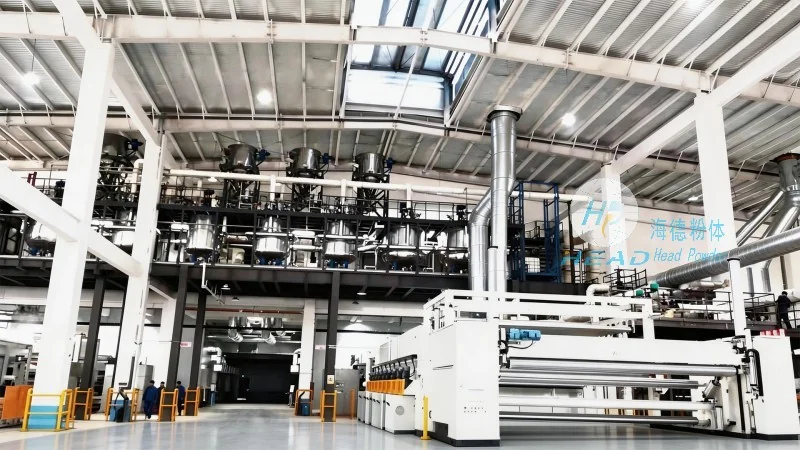
Advantages and Benefits in Practical Applications
Implementing a desulfurization gypsum powder pneumatic conveying machine offers several advantages that make it a preferred choice for industrial applications. Firstly, it provides a dust-free and enclosed transport system, which improves workplace safety and reduces environmental pollution compared to traditional methods like belt conveyors or manual handling. Secondly, the system is highly efficient, capable of transporting large volumes of powder over long distances with minimal energy consumption. This efficiency translates to cost savings in terms of operational expenses and reduced maintenance requirements. Thirdly, the machine's flexibility allows for easy adjustment of conveying parameters to accommodate varying material conditions or production demands. Additionally, the enclosed design helps maintain the quality of the gypsum powder, preventing moisture absorption or contamination that could affect the final product's properties. These benefits collectively contribute to improved productivity and sustainability in industrial operations.
Conclusion and Company Overview
Desulfurization gypsum powder pneumatic conveying machines, as exemplified by the solutions offered by Shandong HeadPowder Engineering Co., Ltd., represent a sophisticated approach to handling fine powder materials in industrial settings. By leveraging pneumatic conveying technology, these machines ensure efficient, safe, and environmentally friendly transport of desulfurization gypsum, a valuable byproduct from power generation. The working principles and scene characteristics highlighted in this article underscore the importance of such equipment in modern industrial processes, particularly in the power and building materials sectors. With its commitment to engineering excellence and practical solutions, Shandong HeadPowder Engineering Co., Ltd. continues to provide reliable equipment that meets the evolving needs of industrial clients, contributing to sustainable development in the industry.




