For industrial applications involving the handling of potassium chloride powder, efficient and reliable material transport is crucial. The pneumatic conveying system, specifically designed for potassium chloride powder, offers a solution that combines performance with operational advantages. This article explores the working principle and key features of such equipment, providing insights into its functionality and benefits for users in the chemical and fertilizer sectors.
Introduction to Potassium Chloride Powder Pneumatic Conveying Systems
HeadPowder Engineering Co., Ltd., a leading manufacturer based in Shandong, China, specializes in the design and production of advanced pneumatic conveying equipment tailored for various powder handling needs. The potassium chloride powder pneumatic conveying machine is engineered to address the challenges associated with transporting fine powders like potassium chloride, ensuring minimal product degradation and optimal system efficiency.
Working Principle of the Potassium Chloride Powder Pneumatic Conveying Machine
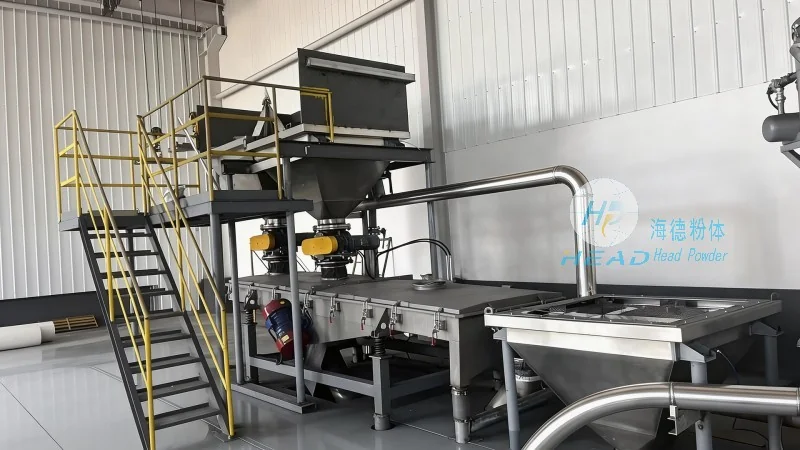
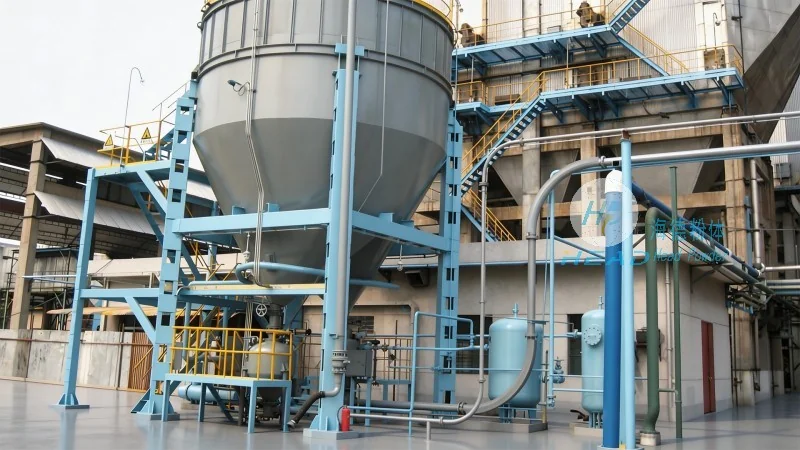
The operation of the potassium chloride powder pneumatic conveying system relies on the principles of air flow and pressure differentials. The machine typically consists of a hopper, a rotary valve, a conveying pipe, and a receiver. The process begins with the powder being fed into the hopper from the storage silo. As the rotary valve opens, the powder is released into the conveying pipe, where it is entrained by high-velocity air. The air-powder mixture travels through the pipeline under pressure, reaching the receiver where the powder is separated from the air. The air is then filtered and discharged, while the potassium chloride powder is collected in the receiver. This continuous cycle ensures a seamless and automated transport process.
Key Features of the Potassium Chloride Powder Pneumatic Conveying Equipment
Several notable features distinguish the potassium chloride powder pneumatic conveying machine from conventional transport methods. Firstly, it offers a closed system, which helps maintain product purity and prevents contamination from external elements. This is particularly important for potassium chloride, which is sensitive to moisture and other environmental factors. Secondly, the system is highly flexible, allowing for horizontal, vertical, or inclined transport paths, adapting to different plant layouts and operational requirements. Thirdly, the equipment is designed for low maintenance, with components that are easy to access and replace, reducing downtime and operational costs. Additionally, the system can handle varying powder flow rates, making it suitable for both small-scale and large-scale production environments. The use of high-quality materials in the construction ensures durability and resistance to corrosion, which is essential for handling potassium chloride over extended periods.
Benefits and Applications in Industrial Settings
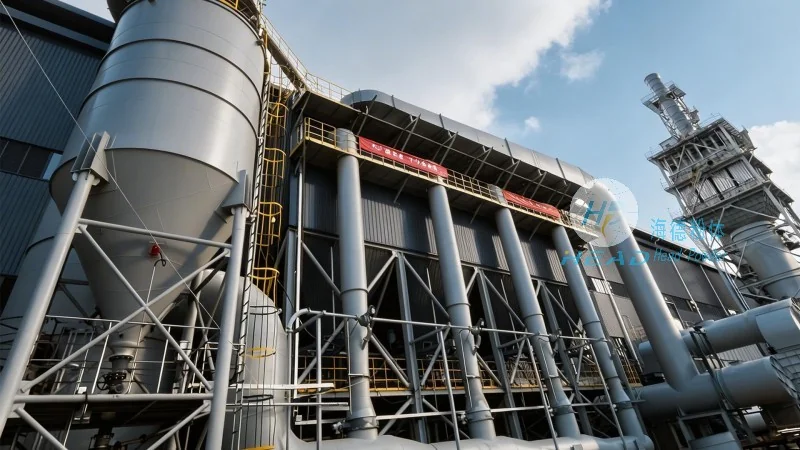
The adoption of the potassium chloride powder pneumatic conveying machine brings several advantages to industrial operations. It enhances safety by eliminating the need for manual handling of powders, reducing the risk of dust explosions and occupational health hazards. The closed system also minimizes environmental impact by containing dust emissions and preventing pollution. In terms of efficiency, the system provides consistent and reliable transport, reducing material loss and improving overall productivity. The equipment is widely used in the fertilizer industry, where potassium chloride is a key raw material for producing potassium-based fertilizers. It is also applicable in chemical processing plants and other industries that require the transport of fine powders with similar characteristics.




