HeadPowder, a leading provider of specialized engineering solutions, specializes in the design and implementation of pneumatic conveying systems tailored for the battery material industry. This article explores the fundamental principles behind pneumatic conveying technology and highlights key application scenarios where such systems excel in handling battery powders efficiently and safely.
Understanding Pneumatic Conveying Principles
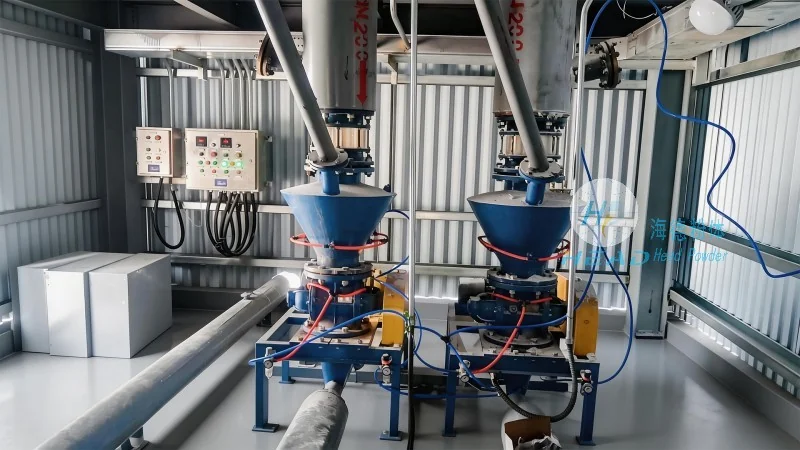
Pneumatic conveying is a method of transporting bulk materials, such as battery materials, using a stream of pressurized or vacuum air. The core principle involves creating a flow of air that moves the powder particles through a pipeline. There are two primary types of pneumatic conveying systems: vacuum (or suction) conveying and pressure (or positive) conveying. Vacuum systems draw material from a source using a vacuum pump, while pressure systems push material through a pipeline using a blower or compressor. Both methods rely on the interaction between air flow and particle properties—such as particle size, density, and moisture—to achieve effective transport.
Key Working Characteristics of Pneumatic Conveying Systems
When applied to battery material powders, pneumatic conveying systems exhibit several distinct working characteristics that make them ideal for industrial use. These include:
1. Minimal Dust Generation: Unlike mechanical conveying methods, pneumatic systems enclose the material within a sealed pipeline, significantly reducing dust exposure and improving workplace safety. This is particularly critical in battery material processing, where fine powders can pose health risks and environmental concerns.
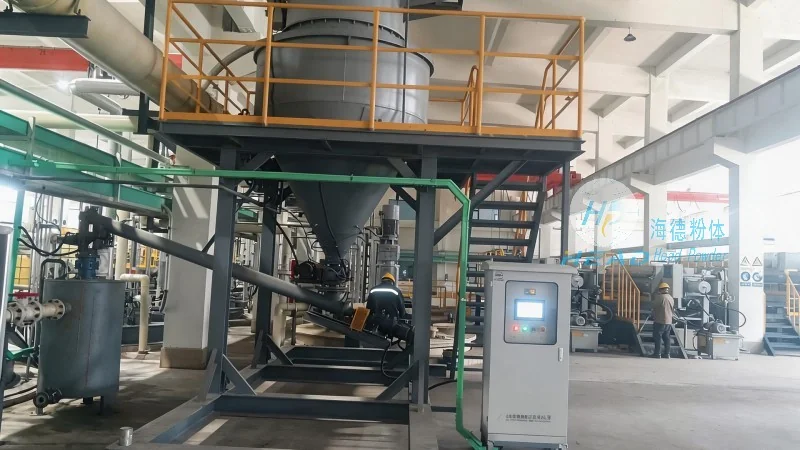
2. Flexibility in Layout: Pneumatic conveying allows for complex and flexible system designs, enabling material to be transported over long distances or through multiple processing stages without the need for extensive infrastructure modifications. This adaptability is essential in battery material production lines, where processes often require reconfiguration.
3. High Efficiency and Reliability: Modern pneumatic conveying systems are engineered for high throughput and consistent performance. They can handle a wide range of powder types, including lithium carbonate, lithium hydroxide, graphite, and nickel compounds, with minimal degradation of material quality. This reliability ensures stable production in battery material manufacturing.
Application Scenarios in Battery Material Processing
Pneumatic conveying systems are widely utilized across various stages of battery material production, each tailored to specific operational needs. The following scenarios illustrate the practical applications of these systems:
1. Material Transfer from Storage to Processing
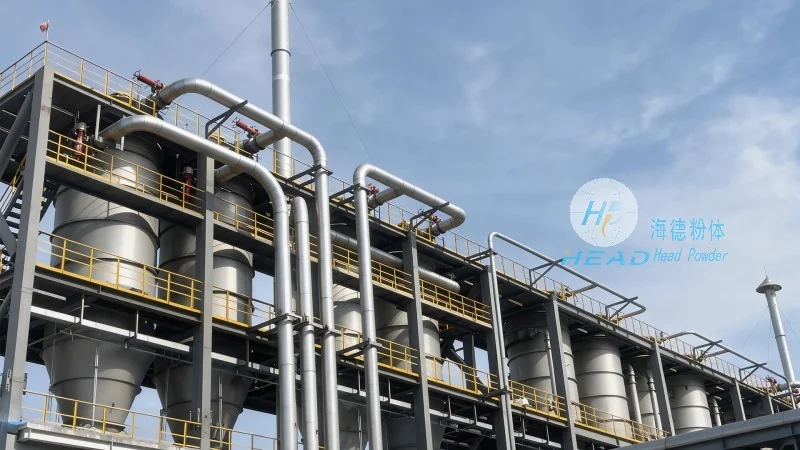
At the initial stage of battery material production, raw materials are often stored in bulk containers or silos. Pneumatic conveying systems efficiently transfer these powders from storage to the first processing unit, such as a mixer or grinder. For example, in the handling of lithium carbonate, a vacuum conveying system can draw the material from a silo and deliver it to a mixing machine, ensuring a continuous and dust-free supply. This application is crucial for maintaining consistent material flow and reducing downtime in the production line.
2. Intermediate Processing and Handling
During intermediate processing steps, such as grinding, sieving, or blending, pneumatic conveying is used to move processed powders between equipment. For instance, after a grinding operation, the fine powder is conveyed to a screening machine using a pressure system. This method allows for seamless integration of multiple processing units, enhancing overall production efficiency. The ability to handle fine powders without clogging or degradation is a key advantage in these scenarios.
3. Final Product Packaging and Distribution
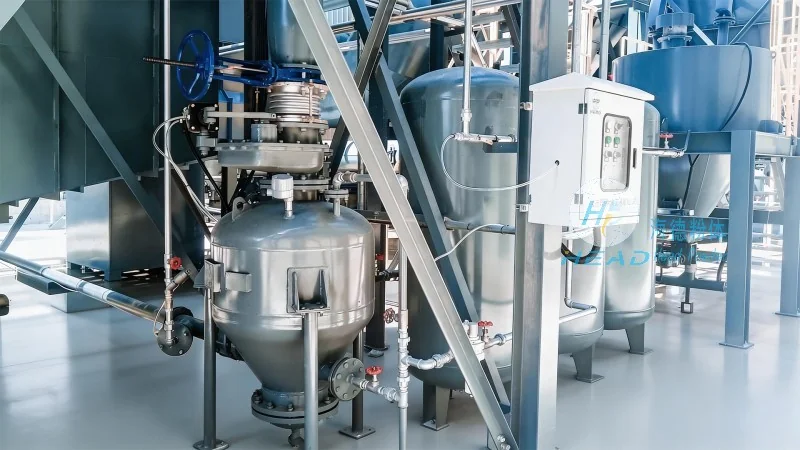
In the final stages of production, pneumatic conveying systems are employed to transport the finished battery materials to packaging units or storage silos. This ensures that the product remains uncontaminated and is delivered in a controlled manner. The use of pressure conveying systems for this step is common, as it provides the necessary force to move the material through the pipeline and into the packaging equipment. This application highlights the system's role in maintaining product quality and ensuring efficient distribution.
4. Waste and Byproduct Management
Pneumatic conveying also plays a role in managing waste and byproducts generated during battery material production. For example, dust collected from filtration systems can be conveyed back to storage or disposed of safely. This not only reduces environmental impact but also recovers valuable materials, contributing to sustainable operations. The system's ability to handle fine waste powders without contamination is particularly beneficial in this context.
Conclusion
HeadPowder's expertise in pneumatic conveying technology provides battery material manufacturers with reliable and efficient solutions for handling their powders. By understanding the principles and application scenarios of these systems, companies can optimize their production processes, enhance safety, and improve overall operational performance. The integration of advanced pneumatic conveying systems, as offered by Shandong HeadPowder Engineering Co., Ltd., based in China, represents a critical step toward achieving efficient and sustainable battery material processing.




