Alumina powder, a critical material in various industrial applications, requires efficient and reliable transport solutions to ensure smooth production processes. The transport of alumina powder involves specialized equipment designed to handle its unique properties, such as high density, fine particle size, and potential reactivity. This article explores the underlying principles of alumina powder transport equipment and highlights the key working scene characteristics that define its operational effectiveness, developed by Shandong HeadPowder Engineering Co., Ltd.
Core Principles of Alumina Powder Transport Equipment
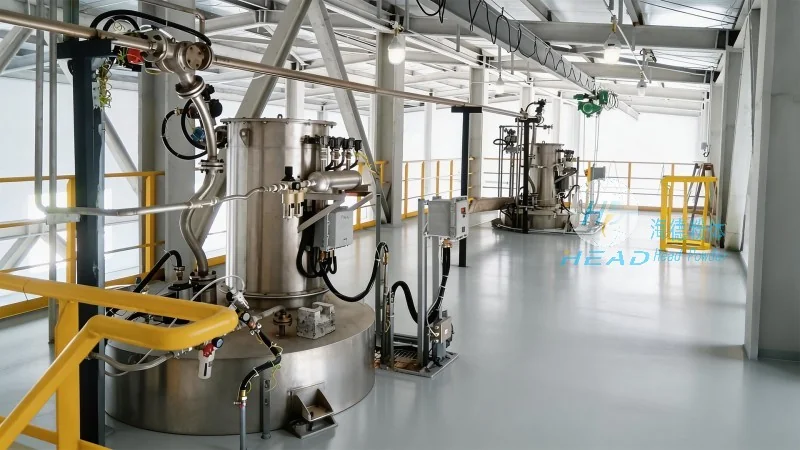
The fundamental principle behind alumina powder transport equipment is to maintain the integrity of the powder while ensuring efficient movement from one location to another. This involves addressing challenges like dust generation, caking, and blockage, which are common in handling fine powders. The equipment typically employs mechanisms such as pneumatic conveying, mechanical conveying, or a combination of both, tailored to the specific characteristics of alumina powder. Pneumatic conveying systems use air or gas to transport the powder, while mechanical systems rely on screws, belts, or conveyor belts. The choice of system depends on factors like the volume of material, distance to be transported, and the need for dust control.
Working Scene Characteristics of Alumina Powder Transport Equipment
The working scene characteristics of alumina powder transport equipment are shaped by the industrial environments where it is deployed. These characteristics include the scale of operation, the type of production processes, and the specific requirements of the end-use applications. For instance, in the ceramics and refractory industries, alumina powder is often transported between raw material storage, mixing facilities, and production lines. The equipment must be capable of handling large volumes and maintaining consistent flow rates to support continuous production. In the chemical and pharmaceutical sectors, the transport may involve more stringent requirements for purity and contamination control, necessitating sealed systems and advanced filtration. Additionally, the working scene may involve varying ambient conditions, such as temperature and humidity, which affect the performance of the transport equipment. The equipment must be designed to operate reliably under these conditions, ensuring minimal downtime and maintenance.
Key Features and Advantages of Alumina Powder Transport Equipment
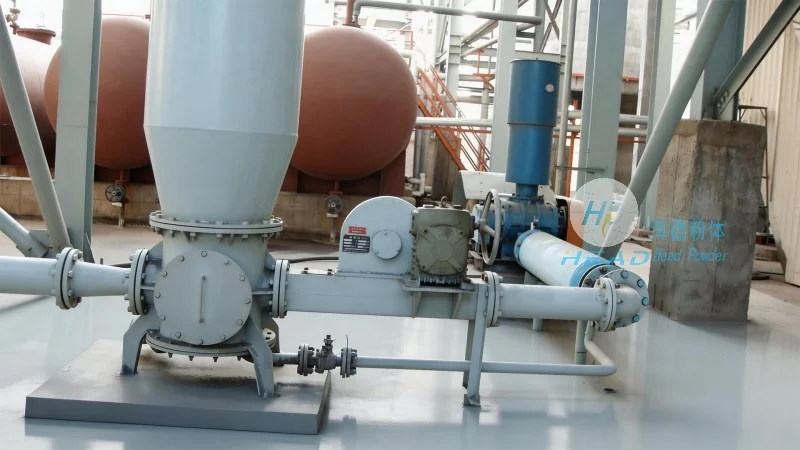
Alumina powder transport equipment is engineered with several key features that enhance its performance and reliability. These features include robust construction to withstand the abrasive nature of alumina powder, efficient sealing systems to prevent dust leakage, and advanced control mechanisms for precise flow regulation. The equipment is also designed for easy maintenance and cleaning, which is crucial for maintaining product quality and compliance with industry standards. The use of high-quality materials, such as stainless steel and special alloys, ensures durability and resistance to corrosion, which is essential for long-term operation. Furthermore, the equipment is often equipped with monitoring systems that provide real-time data on flow rates, pressure, and temperature, allowing operators to optimize performance and detect potential issues early.
Application Scenarios and Operational Efficiency
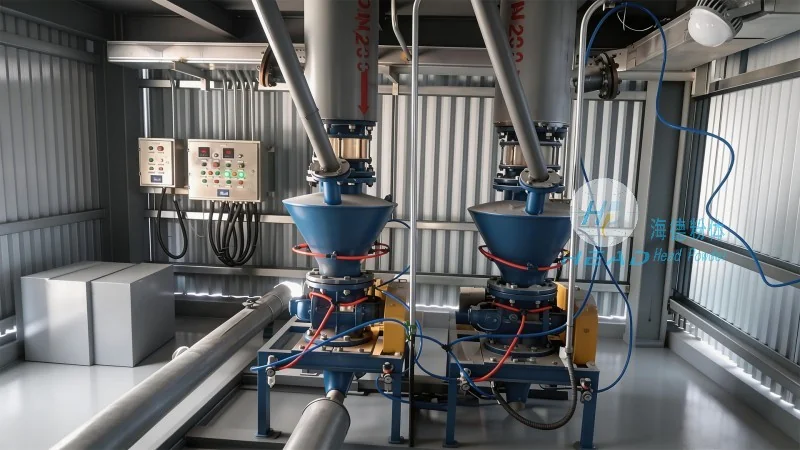
The application scenarios for alumina powder transport equipment vary widely across different industries. In the ceramics industry, the equipment is used to transport alumina powder from raw material storage to the mixing and shaping stages, ensuring a consistent supply of high-quality material. In the refractory industry, it plays a critical role in delivering alumina powder to kilns and other high-temperature processing equipment, where the material is used to create durable and heat-resistant products. The equipment's ability to handle large volumes and maintain stable flow rates contributes significantly to operational efficiency, reducing production delays and material waste. Additionally, the equipment's design allows for integration with other production systems, such as batching and mixing equipment, creating a seamless workflow that enhances overall productivity.
Conclusion and Future Developments
In conclusion, alumina powder transport equipment is a vital component in industries that rely on alumina powder for their production processes. The equipment's design and operation are based on principles that address the unique challenges of handling fine powders, ensuring efficient and reliable transport. The working scene characteristics, including the scale of operation and environmental conditions, play a crucial role in determining the type and effectiveness of the equipment used. As technology advances, future developments in alumina powder transport equipment may focus on improving energy efficiency, enhancing automation, and incorporating advanced materials to further optimize performance. The continued innovation in this field will likely lead to more efficient and sustainable solutions for the transport of alumina powder, supporting the growth and development of industries that depend on this critical material.




