Welcome to Shandong HeadPowder Engineering Co., Ltd., a leading provider in the field of material handling solutions. Our company specializes in the design, manufacturing, and installation of advanced pneumatic conveying systems tailored for various industrial applications, including the efficient handling of wheat bran. This article delves into the fundamental principles of wheat bran pneumatic conveying systems and explores the key working scene characteristics that make them indispensable in modern processing facilities.
About Shandong HeadPowder Engineering Co., Ltd.
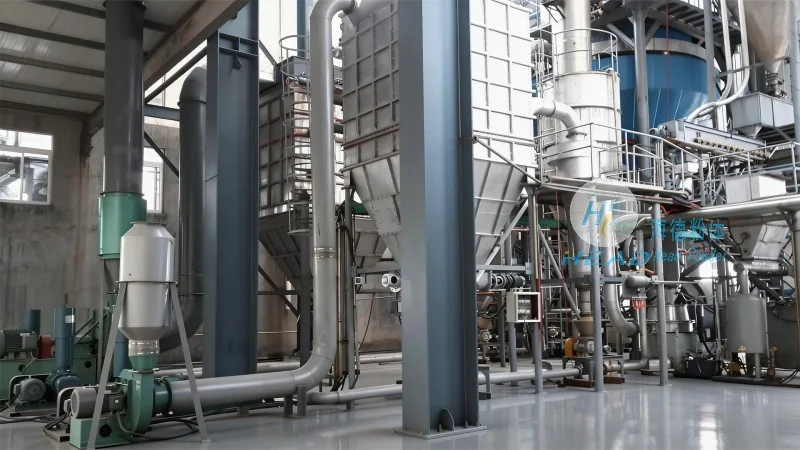
As a reputable enterprise based in Shandong, China, Shandong HeadPowder Engineering Co., Ltd. has established itself as a trusted partner for businesses seeking reliable and efficient material handling solutions. With a strong commitment to innovation and quality, our company leverages decades of industry experience to deliver customized pneumatic conveying systems that meet the unique demands of our clients. Our team of experts combines technical expertise with practical knowledge to ensure that each system is optimized for performance, durability, and cost-effectiveness. By focusing on the specific requirements of wheat bran processing, we have developed a range of solutions that enhance productivity and maintain the quality of the final product.
The Principle of Wheat Bran Pneumatic Conveying Systems
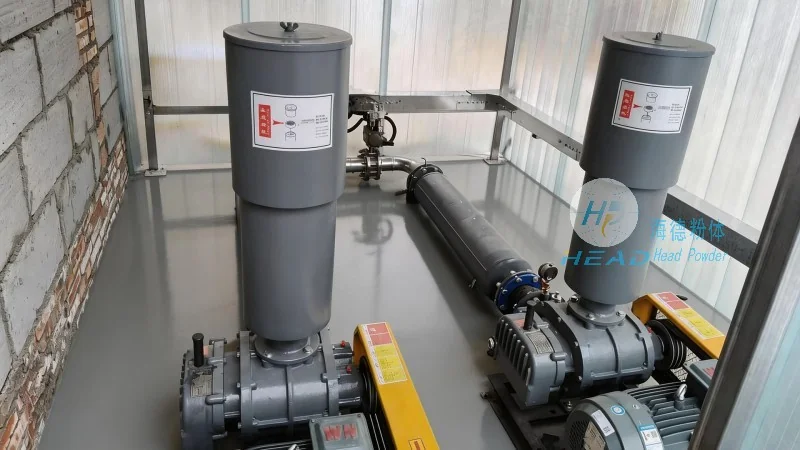
Wheat bran pneumatic conveying systems operate on the principle of using air pressure to transport bulk materials through a pipeline network. Unlike traditional mechanical conveying methods, which rely on belts, buckets, or screws, pneumatic systems utilize compressed air to move materials from one location to another. The core components of a typical wheat bran pneumatic conveying system include a hopper for material storage, a rotary valve or feeder to control the flow of bran, a conveying line (often made of stainless steel or other corrosion-resistant materials), and a receiver or discharge point where the material is deposited. The system works by introducing compressed air into the conveying line, creating a flow that pulls the wheat bran particles along with it. This process, known as suction or pressure conveying, allows for the efficient and continuous movement of materials over long distances and varying elevations.
Key Working Scene Characteristics of Wheat Bran Pneumatic Conveying Systems
The working scene characteristics of wheat bran pneumatic conveying systems are tailored to the specific needs of wheat bran processing environments. These systems are designed to handle the unique properties of wheat bran, such as its light weight, fine particle size, and potential for dust generation. One of the primary advantages is the ability to maintain a clean and dust-free environment, which is crucial in food processing facilities where hygiene standards are strictly enforced. The enclosed nature of the conveying system prevents contamination from external sources and minimizes the risk of product degradation. Additionally, pneumatic conveying systems offer flexibility in terms of layout, allowing for the integration of multiple processing units and the ability to reconfigure the system as production needs change. Another key characteristic is the energy efficiency of these systems, as they require less power compared to mechanical conveying methods while achieving higher throughput rates. The systems also provide consistent material flow, reducing downtime and improving overall operational efficiency. In industrial settings, the reliability and durability of the equipment are critical, and our systems are built to withstand the rigors of continuous operation, ensuring long-term performance and minimal maintenance requirements.
Typical Applications and Working Scenarios
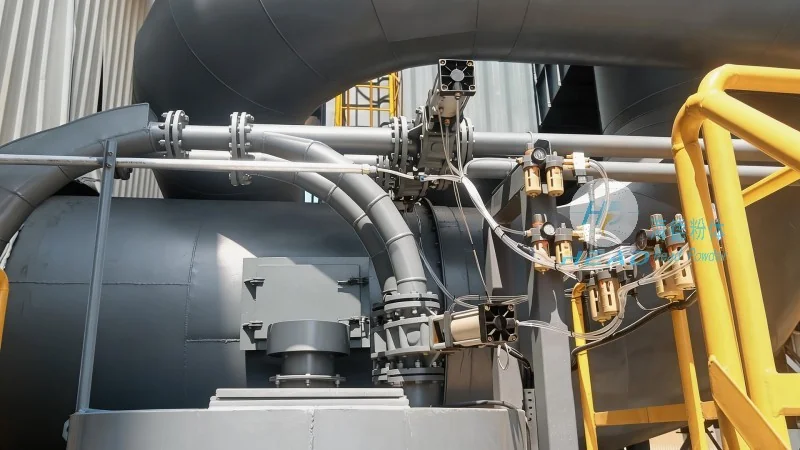
Wheat bran pneumatic conveying systems are widely used in various industrial applications, particularly in the food and agricultural sectors. In flour mills, these systems are employed to transport wheat bran from storage silos to processing lines, ensuring a steady supply of raw material for further processing. The systems are also utilized in animal feed production facilities, where wheat bran is mixed with other ingredients to create high-quality feed. Additionally, in biofuel production plants, pneumatic conveying systems are used to transport wheat bran to biomass processing units, contributing to the efficient conversion of agricultural waste into energy. The versatility of these systems makes them suitable for a range of working scenarios, from small-scale operations to large-scale industrial facilities. In each scenario, the system's ability to handle the specific characteristics of wheat bran, such as its fine particle size and potential for dust, is essential for maintaining product quality and operational efficiency.
Conclusion
Wheat bran pneumatic conveying systems represent a sophisticated and efficient solution for the transportation of bulk materials in industrial settings. By leveraging the principles of air pressure and enclosed conveying, these systems offer numerous advantages over traditional mechanical methods, including improved hygiene, flexibility, and energy efficiency. Shandong HeadPowder Engineering Co., Ltd. is dedicated to providing high-quality pneumatic conveying systems that meet the specific needs of wheat bran processing facilities. Our commitment to innovation, quality, and customer satisfaction ensures that our clients receive reliable and durable equipment that enhances their operational performance and contributes to their long-term success. Whether you are a new or existing user in the wheat bran processing industry, our systems are designed to meet your unique requirements and help you achieve optimal results.




