Monocrystalline silicon is a critical material in the semiconductor industry, and the efficient handling of this material is essential for the smooth operation of production lines. Pneumatic conveying equipment is a widely used solution for transporting monocrystalline silicon powder and other fine particles. This article will explore the working principle and key features of such equipment, providing insights into its application in industrial settings.
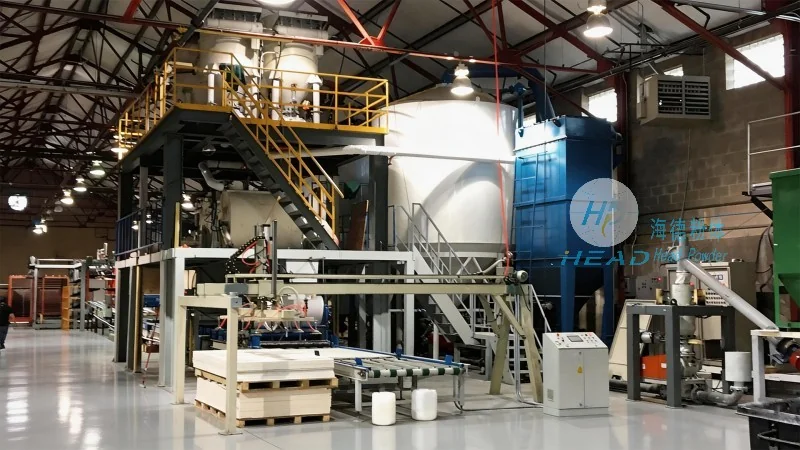
Working Principle of Monocrystalline Silicon Material Pneumatic Conveying Equipment
The core working principle of monocrystalline silicon material pneumatic conveying equipment is based on the use of compressed air or other gas to transport material particles through a pipeline system. The process typically involves several key steps: material feeding, air injection, particle suspension, and delivery to the destination. In the feeding stage, monocrystalline silicon powder is introduced into the conveying line, often via a hopper or feeder. Then, compressed air is introduced into the pipeline, creating a flow that lifts and transports the particles. The air velocity is carefully controlled to ensure that the particles remain suspended in the air stream without settling or causing blockages. As the material travels through the pipeline, it is directed to the desired location, such as a storage silo, processing unit, or packaging area. The entire system is designed to maintain a consistent flow rate and pressure, ensuring reliable and continuous material transport.
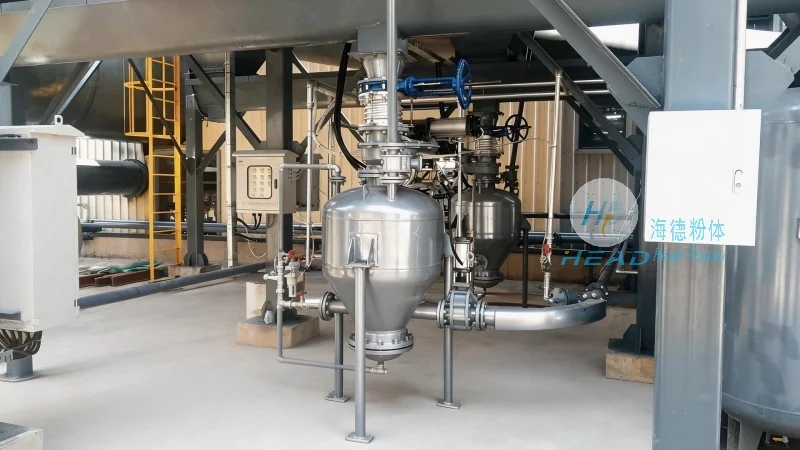
Key Features of Monocrystalline Silicon Material Pneumatic Conveying Equipment
Monocrystalline silicon material pneumatic conveying equipment offers several advantages that make it suitable for high-purity material handling. First, it provides a closed system, which helps prevent contamination from external sources and minimizes dust exposure for operators. This is particularly important for monocrystalline silicon, as even small amounts of impurities can affect the quality of the final product. Second, the equipment is highly flexible, allowing for changes in the conveying route or capacity without major modifications to the system. This adaptability is beneficial in dynamic production environments where process requirements may change. Third, pneumatic conveying systems are generally low in maintenance, as they have fewer moving parts compared to mechanical conveyors. This reduces downtime and operational costs. Additionally, the equipment can handle a wide range of particle sizes and densities, making it versatile for different types of monocrystalline silicon products. The system also offers good control over material flow, enabling precise dosing and delivery. Furthermore, the use of compressed air allows for the integration of multiple conveying lines, enhancing overall system efficiency. These features collectively contribute to the effectiveness and reliability of monocrystalline silicon material pneumatic conveying equipment in industrial applications.
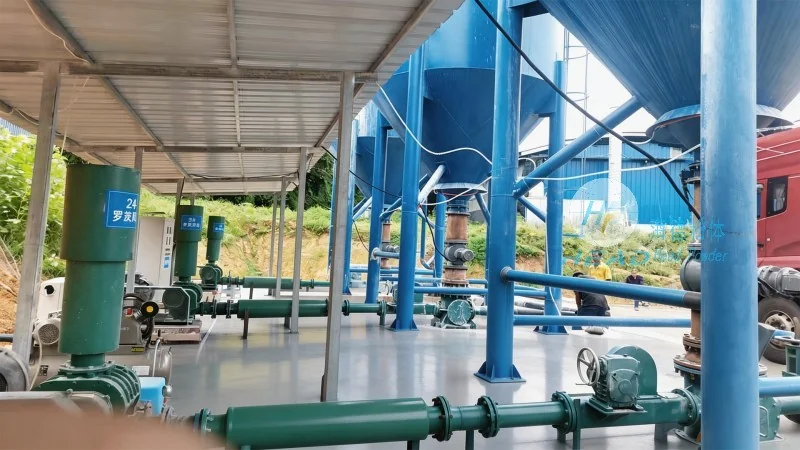
Application and Industry Relevance
Monocrystalline silicon material pneumatic conveying equipment is widely used in the semiconductor manufacturing industry, particularly in the production of solar panels and other electronic components. The equipment is essential for transporting raw monocrystalline silicon powder from storage to processing units, such as reactors or furnaces. It ensures that the material is delivered in a clean and controlled manner, which is crucial for maintaining the high purity standards required in semiconductor manufacturing. The equipment is also used in research and development facilities where precise material handling is necessary for experimental processes. By providing a reliable and efficient method of material transport, the equipment supports the overall productivity and quality of monocrystalline silicon production lines. The technology behind the equipment continues to evolve, with advancements in air flow control and material handling systems improving its performance and suitability for modern industrial needs.
Conclusion
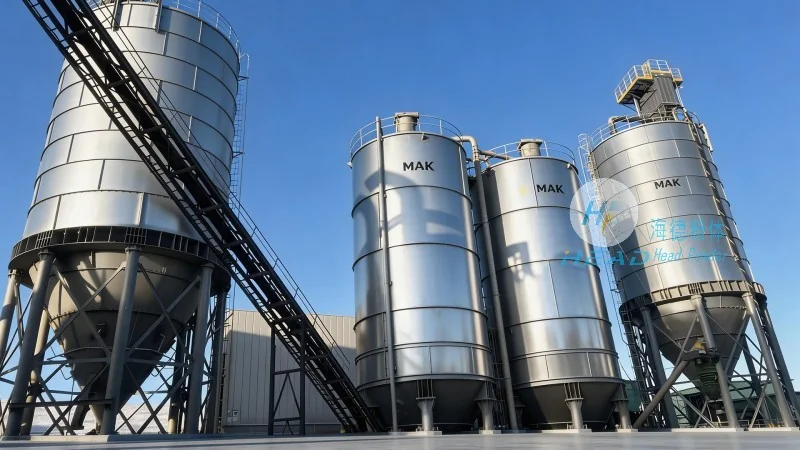
In summary, monocrystalline silicon material pneumatic conveying equipment operates on the principle of using compressed air to transport fine particles through a pipeline system. Its key features, including closed system operation, flexibility, low maintenance, and versatility, make it an ideal solution for handling monocrystalline silicon in the semiconductor industry. The equipment plays a vital role in ensuring the efficient and clean transport of material, supporting the production of high-quality electronic components. As the demand for monocrystalline silicon continues to grow, the importance of reliable pneumatic conveying systems in industrial settings will remain significant.




