Phosphates, including sodium phosphate compounds, play a vital role in numerous industrial sectors such as agriculture, food additives, and chemical synthesis. The efficient and safe transportation of these bulk materials is essential for maintaining production continuity and minimizing operational disruptions. A pneumatic conveying system tailored for phosphates materials offers a robust solution that leverages air as the primary transport medium, eliminating the need for mechanical components that may cause wear or contamination.
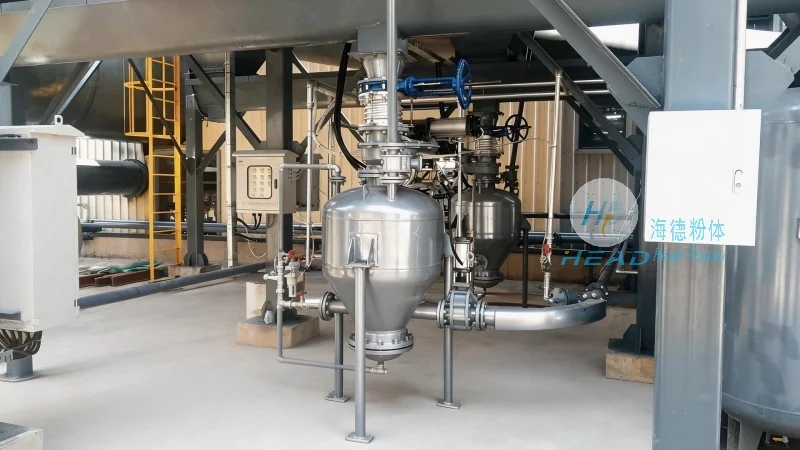
Working Principle of a Phosphates Material Pneumatic Conveying System
The core working principle of a phosphates material pneumatic conveying system revolves around the generation of air flow to move the material through a sealed pipeline. In positive pressure systems, a blower supplies compressed air that propels the material from the source to the destination. The system typically includes a hopper for material storage, a feeder to control the material discharge rate, and a pipeline network that connects the feeding and discharge points. For phosphates, which can have varying particle sizes (from fine powders to coarse granules) and different flow characteristics, the system design must account for factors like air velocity (typically 20-30 m/s for fine powders), pipeline diameter (ranging from 50 mm to 200 mm depending on material volume), and material density (around 1.5-2.5 g/cm³ for sodium phosphates). The air flow is regulated by a control valve to maintain consistent material transport and prevent overloading or underloading of the pipeline.
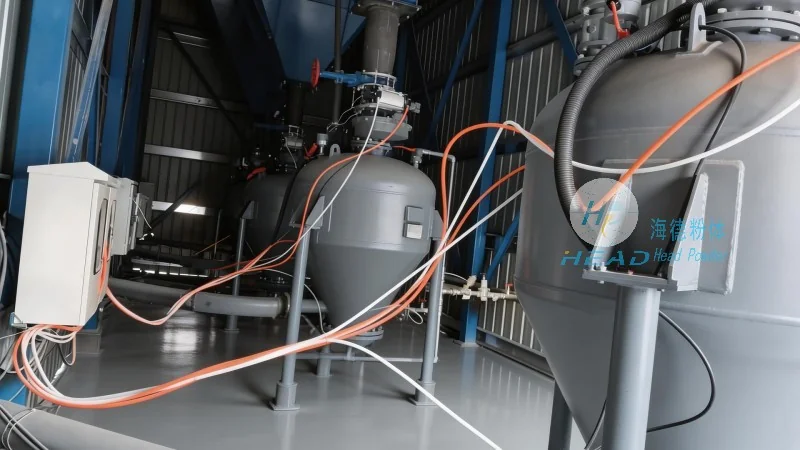
Key Features of a Phosphates Material Pneumatic Conveying System
Key features of a phosphates material pneumatic conveying system include high transport efficiency, with the ability to move large volumes of material over long distances (up to several hundred meters) with minimal energy consumption. The system is also highly flexible, allowing for multiple transfer points and integration with existing production lines without significant modifications. Another notable advantage is the reduced risk of material contamination, as the sealed pipeline prevents exposure to external elements and cross-contamination with other materials. Additionally, modern systems incorporate advanced monitoring and control technologies, such as pressure sensors, flow meters, and level indicators, to provide real-time data on system performance and enable proactive maintenance, thereby extending the system's lifespan and ensuring consistent operational reliability.
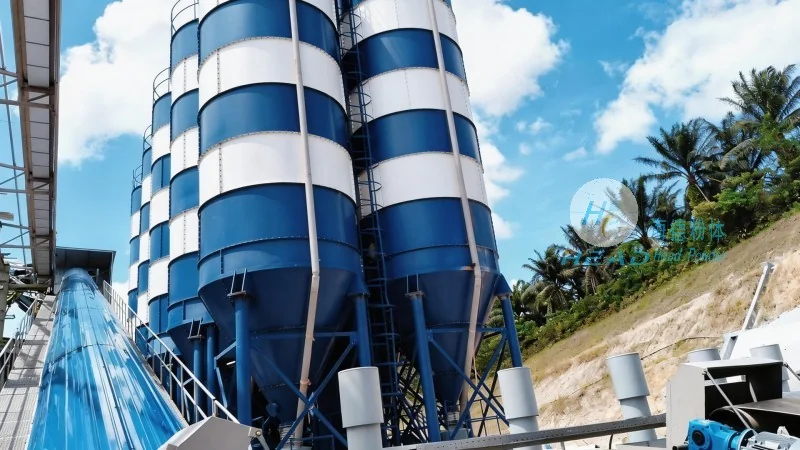
Shandong HeadPowder Engineering Co., Ltd., a leading provider of industrial engineering solutions, is headquartered in Shandong, China. The company specializes in the design, manufacturing, and installation of customized pneumatic conveying systems tailored to the unique needs of phosphates processing industries. With a team of experienced engineers and technicians, HeadPowder ensures that each system is optimized for the specific properties of the material, such as particle size distribution, moisture content, and abrasiveness, to deliver reliable and efficient material handling solutions.




