When discussing the efficient handling of fine powders in industrial applications, the pneumatic conveying system emerges as a critical solution. This technology, widely used across various sectors such as food processing, pharmaceuticals, and chemical manufacturing, enables the transport of powders through a pressurized or vacuum environment. The core mechanism involves the use of air or gas to move material from a source to a destination, eliminating the need for mechanical components like belts or buckets that may cause contamination or wear.
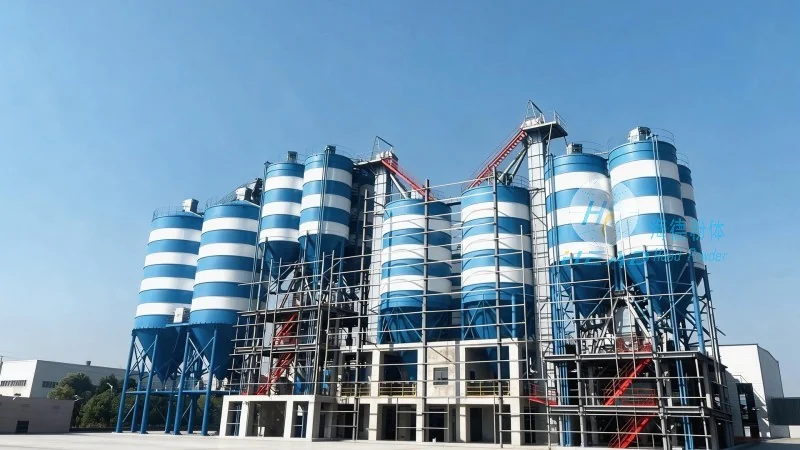
At the heart of this system lies the working principle of fine powder pneumatic conveying. The process typically begins with the material being fed into a hopper or silo. From there, it is drawn into a pipeline by a vacuum or pressure source. The air or gas, often referred to as the conveying medium, carries the powder particles through the system. The velocity and pressure of the gas are carefully controlled to ensure that the powder remains suspended and travels smoothly without clogging or degradation. This method not only enhances material flow but also maintains product integrity, making it suitable for sensitive materials that require sterile or clean handling environments.
The efficiency of the system is further enhanced by the design of components like the airlock, rotary valve, and filter. The airlock, for instance, acts as a seal between the material feed and the conveying line, preventing backflow and maintaining a consistent flow rate. The rotary valve, positioned at the discharge end, controls the release of material into the receiving container, ensuring precise dosing. The filter, located at the end of the line, captures any fine particles that may have escaped, protecting downstream equipment and maintaining air quality. Together, these components work in harmony to deliver a reliable and efficient conveying solution.
Key Features of Fine Powder Pneumatic Conveying Systems
One of the most notable features of fine powder pneumatic conveying systems is their ability to handle a wide range of powder types. Whether dealing with dry, dusty materials or more cohesive powders, the system can be adapted to suit specific material characteristics. This versatility makes it an ideal choice for industries where material properties vary significantly. Additionally, the system offers flexibility in terms of layout and installation, allowing it to be integrated into existing production lines without major modifications.
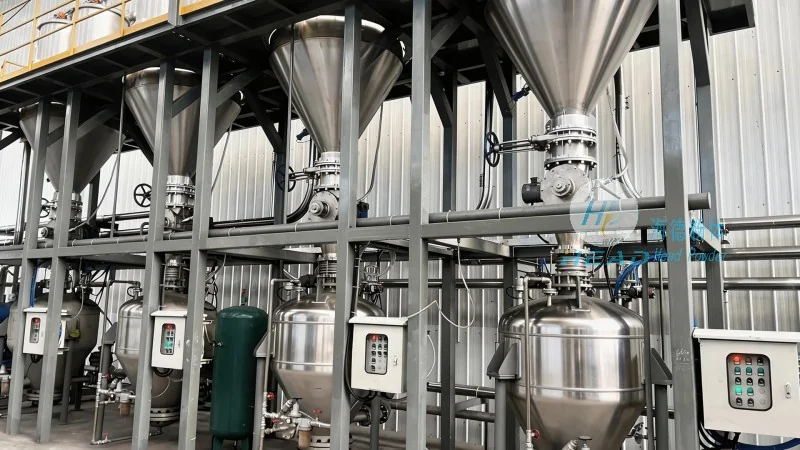
Another key feature is the system's ability to maintain product quality and hygiene. The enclosed design of the conveying line prevents contamination from external sources, while the use of clean air or gas ensures that the material remains free from impurities. This is particularly important in industries such as pharmaceuticals and food processing, where product purity is paramount. The system also minimizes material degradation, as the gentle handling by the conveying medium reduces the risk of particle breakage or agglomeration.
Energy efficiency is another significant advantage of fine powder pneumatic conveying systems. By optimizing the pressure and velocity of the conveying medium, the system can achieve high material throughput with minimal energy consumption. This not only reduces operational costs but also aligns with sustainability goals, making it an environmentally friendly choice for industrial applications. Furthermore, the system's compact design allows for space-saving installations, which is beneficial for facilities with limited floor space.
Application and Industry Relevance
Fine powder pneumatic conveying systems find extensive applications across various industries. In the food industry, they are used for transporting ingredients like flour, sugar, and spices, ensuring that the products remain fresh and uncontaminated. In the pharmaceutical sector, the system is employed to handle active pharmaceutical ingredients (APIs) and excipients, maintaining strict regulatory compliance. The chemical industry also benefits from this technology, as it enables the safe transport of hazardous powders without exposing personnel to risks. Moreover, the system's adaptability makes it suitable for research and development laboratories, where precise material handling is crucial.
The integration of advanced technologies has further enhanced the capabilities of fine powder pneumatic conveying systems. Modern systems often incorporate sensors and control systems that monitor flow rates, pressure, and temperature in real-time. This allows for automated adjustments, ensuring optimal performance and reducing downtime. Additionally, the use of high-quality materials in the construction of components, such as stainless steel and food-grade plastics, ensures durability and longevity. These advancements have made the system more reliable and user-friendly, meeting the evolving demands of modern industrial processes.
Conclusion and Company Overview
As the demand for efficient and reliable material handling solutions grows, fine powder pneumatic conveying systems continue to play a vital role in various industries. The combination of advanced technology, robust design, and adaptability makes it an indispensable tool for businesses seeking to enhance productivity and maintain product quality. Shandong HeadPowder Engineering Co., Ltd., a leading provider in this field, specializes in the design, manufacturing, and installation of such systems. With a focus on innovation and customer satisfaction, the company has established itself as a trusted partner for industries worldwide. HeadPowder's commitment to quality and sustainability ensures that their systems meet the highest standards, providing long-term value to their clients. Based in Shandong, China, the company leverages its expertise to deliver tailored solutions that address the unique needs of each application, solidifying its position as a leader in the pneumatic conveying industry.




