Understanding the operational mechanics and key attributes of a glass waste powder conveying line is essential for industries dealing with post-consumer glass recycling. This article provides a detailed overview of how such systems function and what makes them effective in handling glass waste efficiently.
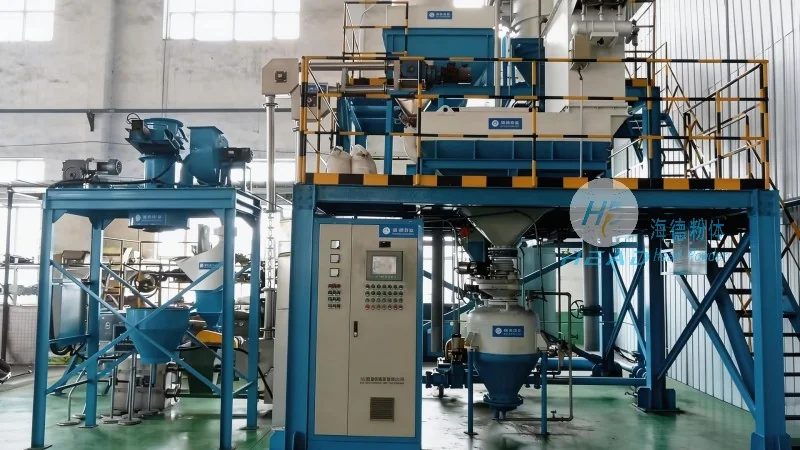
HeadPowder, a leading engineering firm based in Shandong, China, specializes in the design and implementation of advanced powder handling solutions. The company’s expertise lies in creating customized conveying systems tailored to the unique challenges of glass waste processing. With a focus on durability, efficiency, and safety, HeadPowder’s solutions are engineered to meet the demands of modern recycling facilities.
The Working Principle of Glass Waste Powder Conveying Lines
The core function of a glass waste powder conveying line is to transport glass waste from collection points to processing units. The process typically begins with the collection of broken glass, which is then fed into a pre-processing stage. This stage may involve crushing, grinding, or sorting to convert the glass into a fine powder or granules suitable for further processing. The conveying line then uses a combination of mechanical and pneumatic systems to move the glass powder through the facility.
One common method employed is the use of screw conveyors or augers, which are effective for moving bulk materials in a controlled manner. These systems are often complemented by pneumatic conveying, where air pressure is used to transport the glass powder through pipelines. This approach is particularly useful for long-distance or high-volume transport, as it minimizes material degradation and reduces the risk of dust exposure.
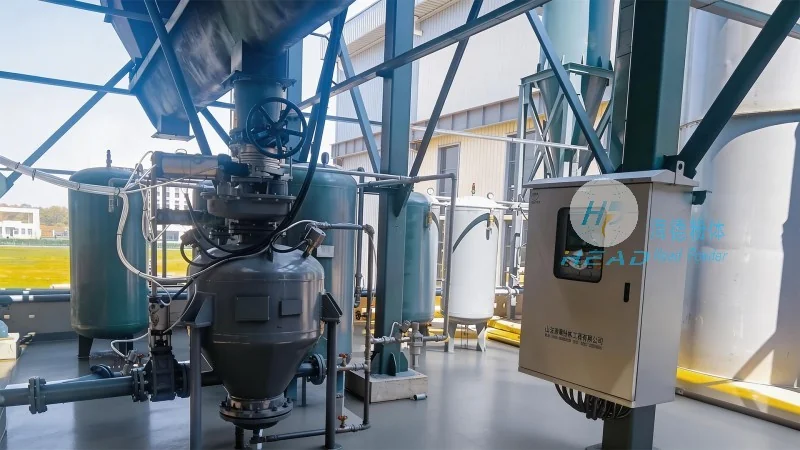
Another critical component is the material handling equipment, such as hoppers and feeders, which regulate the flow of glass waste into the conveying system. These devices ensure consistent and uniform feeding, preventing blockages and maintaining the efficiency of the entire process. The integration of sensors and control systems further enhances the operational reliability, allowing for real-time monitoring and adjustment of the conveying parameters.
Key Features of Glass Waste Powder Conveying Lines
Several distinct features make glass waste powder conveying lines stand out in terms of performance and adaptability. Firstly, the systems are designed with robust materials to withstand the abrasive nature of glass particles, ensuring long-term durability and minimal maintenance. This is crucial for facilities that handle large volumes of glass waste, as frequent breakdowns can lead to significant operational disruptions.
Secondly, the conveying lines are equipped with advanced filtration and dust control systems. Glass powder is known for its fine particles, which can cause respiratory issues and environmental contamination if not properly managed. The inclusion of high-efficiency particulate air (HEPA) filters and dust collection units helps maintain a safe working environment and complies with environmental regulations.
Thirdly, the modularity of these systems allows for easy integration with existing recycling infrastructure. HeadPowder’s solutions are designed to be scalable, enabling facilities to expand their operations as their needs grow. This flexibility is particularly valuable for recycling plants that may need to adjust their processing capacity based on market demand or waste availability.
Customization and Application in Glass Recycling
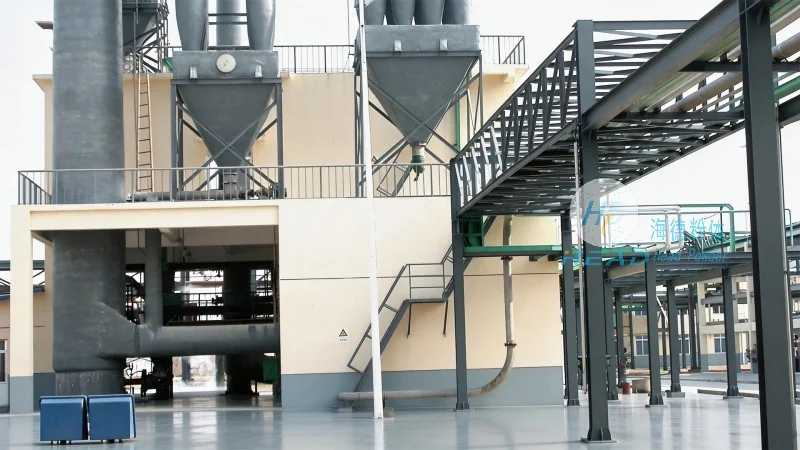
HeadPowder’s approach to glass waste powder conveying lines emphasizes customization to meet the specific requirements of each client. The company works closely with clients to understand their unique processing needs, including the type of glass waste, processing capacity, and operational constraints. This collaborative process ensures that the final system is optimized for maximum efficiency and minimal downtime.
Applications of these conveying lines are widespread in the glass recycling industry. They are used in both industrial and municipal recycling facilities to handle post-consumer glass, as well as in glass manufacturing plants to transport raw materials. The systems are also suitable for handling other types of fine powders, such as ceramic or metal powders, making them versatile solutions for various industrial applications.
Conclusion and Company Overview
In summary, glass waste powder conveying lines are sophisticated systems that play a vital role in the efficient processing of glass waste. By combining mechanical and pneumatic technologies with robust design and advanced control systems, these lines ensure safe, reliable, and high-volume transport of glass powder. HeadPowder Engineering Co., Ltd., based in Shandong, China, is a trusted partner in providing tailored solutions for glass recycling facilities, leveraging its expertise to deliver systems that meet the highest standards of performance and sustainability.




