

What is a Dry Sludge Material Pneumatic Conveying System? And What Are Its Design Principles?
For industrial and municipal facilities dealing with wastewater treatment, the efficient handling of dry sludge is a critical operational challenge. Dry sludge material pneumatic conveying systems offer a sophisticated solution to transport these materials with minimal environmental impact and operational complexity. This article explores the fundamental concepts behind such systems, focusing on their design principles and practical applications.
Key Components and Operational Mechanism
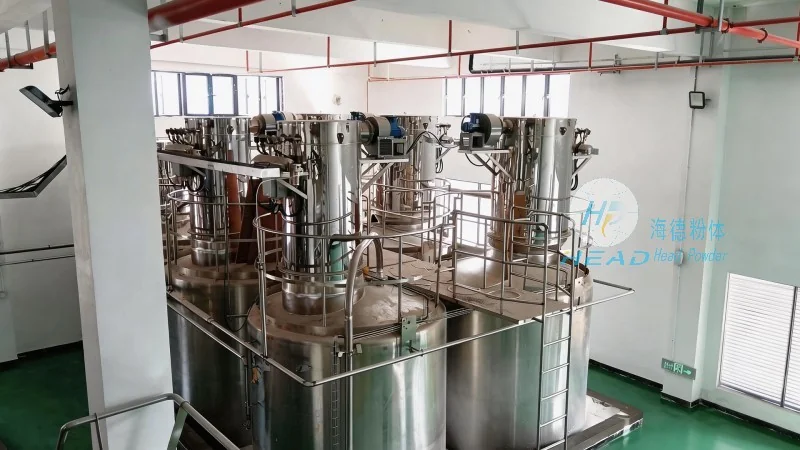
A dry sludge material pneumatic conveying system typically consists of several core components that work in tandem to achieve reliable material transport. The primary elements include a sludge dryer, a conveying line (often equipped with a positive displacement blower or a high-pressure air compressor), and a receiving hopper or processing unit. The system operates by first drying the wet sludge to a dry, free-flowing state, which is then pneumatically conveyed through the pipeline using compressed air or gas as the transport medium.
The design of the conveying line is crucial, as it must withstand the pressure and temperature variations associated with the drying and conveying process. Materials such as stainless steel or corrosion-resistant alloys are commonly used to ensure durability and prevent contamination. The blower or compressor provides the necessary air pressure to move the dry sludge particles through the pipeline, while the dryer ensures that the sludge reaches an optimal moisture content for efficient transport.
Design Principles for Optimal Performance
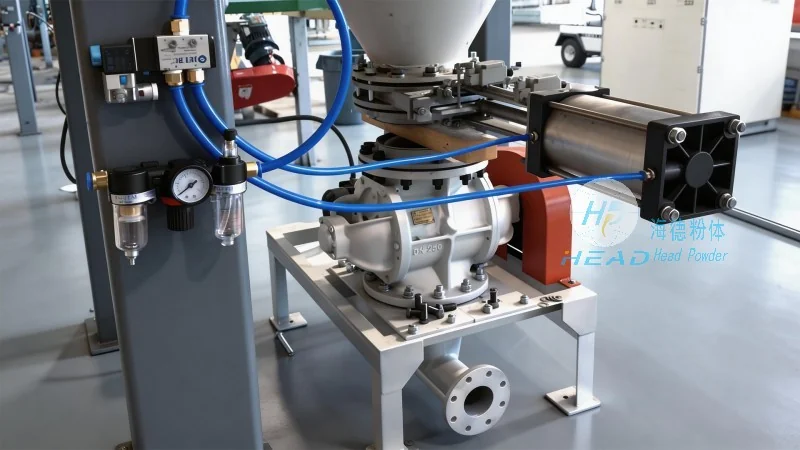
The design of a dry sludge material pneumatic conveying system is guided by several key principles aimed at maximizing efficiency, minimizing energy consumption, and ensuring long-term reliability. One of the primary design considerations is the selection of the appropriate air velocity and pressure. The air velocity must be sufficient to overcome the friction losses in the pipeline and lift the dry sludge particles, but not so high as to cause excessive wear on the system components or lead to energy inefficiencies.
Another critical design principle is the sizing of the dryer and the conveying line. The dryer must be capable of reducing the sludge moisture content to a level that allows for free-flowing transport, typically below 10% moisture content. The conveying line diameter and length are carefully calculated based on the material's bulk density, particle size distribution, and the required flow rate. Proper sizing ensures that the system operates within its optimal performance range, avoiding issues such as blockages or excessive pressure drops.
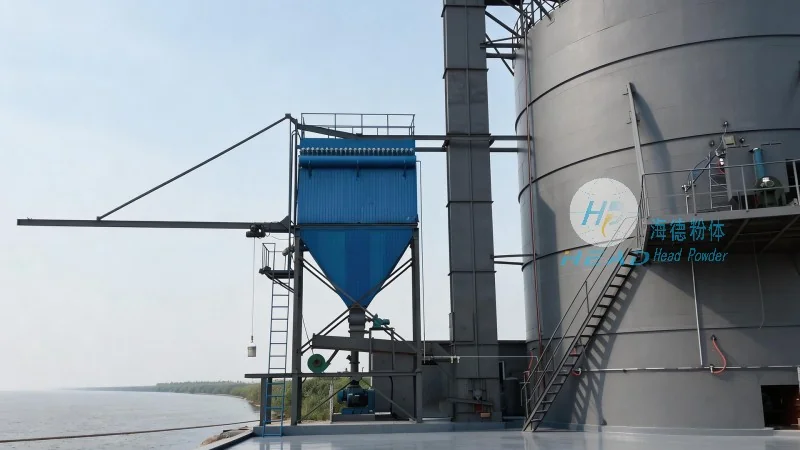
Furthermore, the system design incorporates features to enhance material handling and prevent system downtime. For example, the inclusion of a filter or cyclone separator at the receiving end helps to remove any fine particles or moisture from the air, maintaining the quality of the conveyed sludge. Additionally, the use of flexible connectors and pressure relief valves provides added safety and flexibility in the system operation.
Applications and Benefits in Industrial Settings
Dry sludge material pneumatic conveying systems are widely used in various industrial and municipal applications, including wastewater treatment plants, landfill management facilities, and industrial manufacturing processes. In wastewater treatment, these systems are essential for transporting dried sludge from the dewatering stage to the final disposal or reuse stage, such as incineration or land application.
The benefits of using a pneumatic conveying system for dry sludge are numerous. Compared to traditional methods like truck transport or gravity flow, pneumatic systems offer significant advantages in terms of cost-effectiveness, environmental protection, and operational efficiency. They reduce the need for heavy machinery and personnel, lower the risk of contamination or spillage, and minimize the carbon footprint associated with material transport. Additionally, the enclosed system design ensures that odors and airborne particles are contained, improving workplace safety and compliance with environmental regulations.
About Shandong HeadPowder Engineering Co., Ltd.
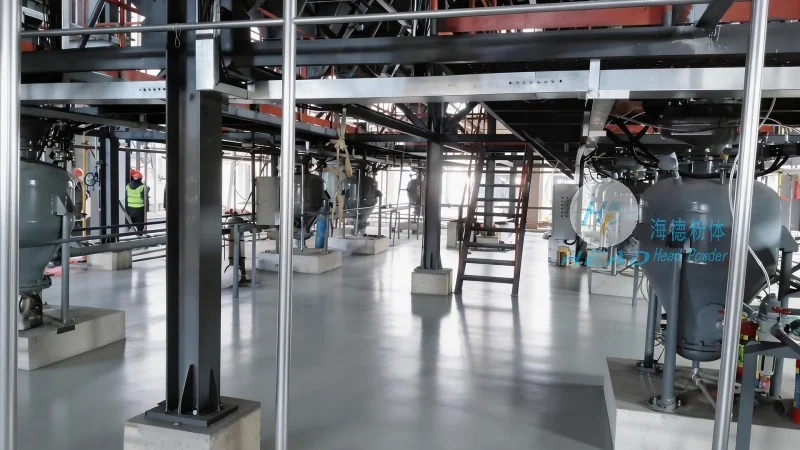
Shandong HeadPowder Engineering Co., Ltd., commonly known as HeadPowder, is a leading provider of specialized engineering solutions for material handling and processing. With a focus on innovation and customer-centric design, HeadPowder has developed advanced dry sludge material pneumatic conveying systems tailored to the unique needs of industrial and municipal clients. The company's headquarters is located in Shandong, China, where it leverages local expertise and resources to deliver high-quality, reliable systems that meet international standards.
HeadPowder's commitment to quality and sustainability is reflected in its product design and manufacturing processes. The company adheres to strict quality control measures to ensure that each system is built to withstand the rigors of industrial use and provides long-term performance. By combining advanced engineering with practical application knowledge, HeadPowder helps clients optimize their material handling operations, reduce operational costs, and enhance overall productivity.