

What is a Zinc Oxide Powder Material Pneumatic Conveying System? And What Are Its Design Principles?
For industries dealing with zinc oxide powder, an efficient and reliable material handling solution is crucial. A pneumatic conveying system specifically designed for zinc oxide powder offers a solution that minimizes dust, ensures product integrity, and enhances operational safety. This article explores the concept of a zinc oxide powder material pneumatic conveying system and delves into its core design principles.
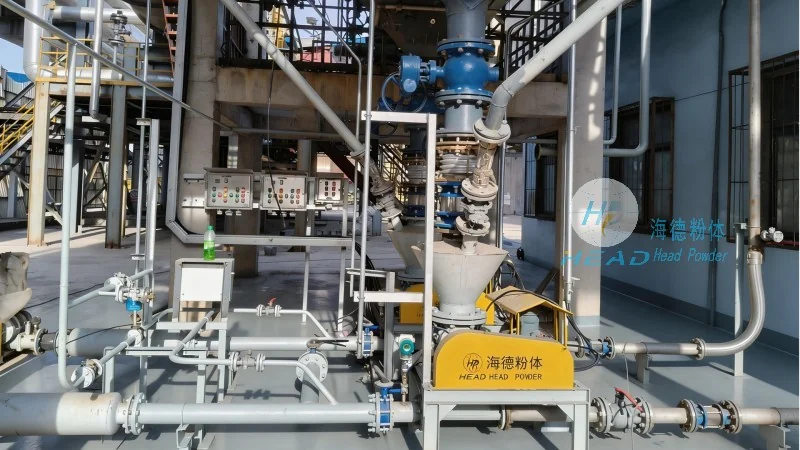
Shandong HeadPowder Engineering Co., Ltd., a leading provider in the field, specializes in developing customized pneumatic conveying solutions tailored to the unique characteristics of zinc oxide powder. With operations based in Shandong, China, the company leverages years of experience to deliver systems that meet stringent industry standards and client requirements.
Understanding Pneumatic Conveying for Zinc Oxide Powder
Zinc oxide powder is widely used in various applications, including pharmaceuticals, cosmetics, and industrial coatings. Its fine particle size and hygroscopic nature make traditional bulk handling methods challenging. Pneumatic conveying systems provide an effective alternative by transporting the powder through a pressurized air stream, eliminating the need for mechanical components that could cause contamination or degradation.
Key Design Principles of the System
The design of a zinc oxide powder pneumatic conveying system is guided by several critical principles to ensure optimal performance and efficiency. First, the system must maintain a consistent air pressure and flow rate to prevent particle segregation and ensure uniform transport. This is achieved through carefully engineered ductwork, airlocks, and control valves that regulate the air flow and material discharge.
Second, the system incorporates dust collection and filtration components to protect the environment and maintain product purity. For zinc oxide powder, which can be hazardous if inhaled, advanced filtration systems are essential to capture fine particles and prevent airborne contamination. The design also considers the material's hygroscopic properties, incorporating drying or moisture control mechanisms to prevent clumping or caking during transport.
System Components and Their Functions
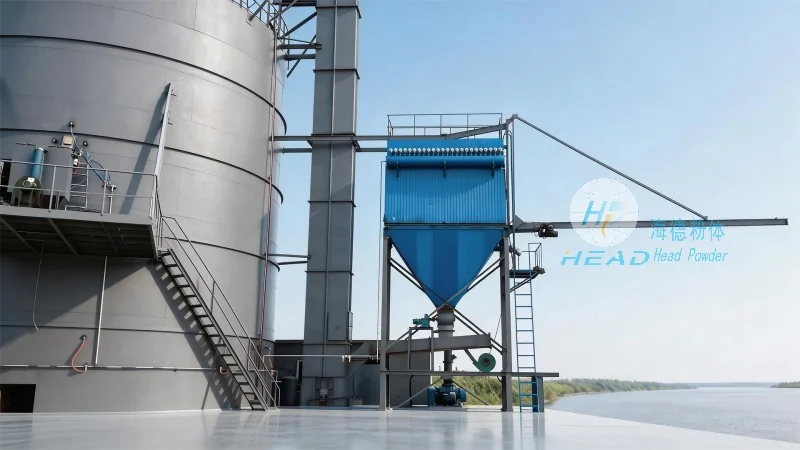
A typical zinc oxide powder pneumatic conveying system consists of several key components, each playing a vital role in the overall operation. The main components include the hopper or feed bin, where the powder is stored; the air compressor or blower, which generates the pressurized air; the conveying line, which transports the powder; and the discharge point, where the material is released.
The hopper is designed with a smooth interior to prevent material buildup and ensure consistent feeding. It may include a rotary valve or feeder to control the flow rate of the powder into the system. The air compressor provides the necessary pressure to move the powder through the conveying line, with the pressure level determined by the distance and number of bends in the system.
The conveying line is typically made of stainless steel or other corrosion-resistant materials to withstand the chemical properties of zinc oxide powder. It is equipped with bends and elbows that are carefully sized to minimize pressure drop and prevent particle deposition. The line may also include check valves to prevent backflow and maintain system integrity.
Advantages of Using a Pneumatic Conveying System for Zinc Oxide Powder
Implementing a pneumatic conveying system for zinc oxide powder offers numerous advantages over traditional handling methods. One of the primary benefits is the reduction of dust exposure, which enhances workplace safety and compliance with environmental regulations. The enclosed system also prevents contamination from external sources, ensuring the purity of the product.
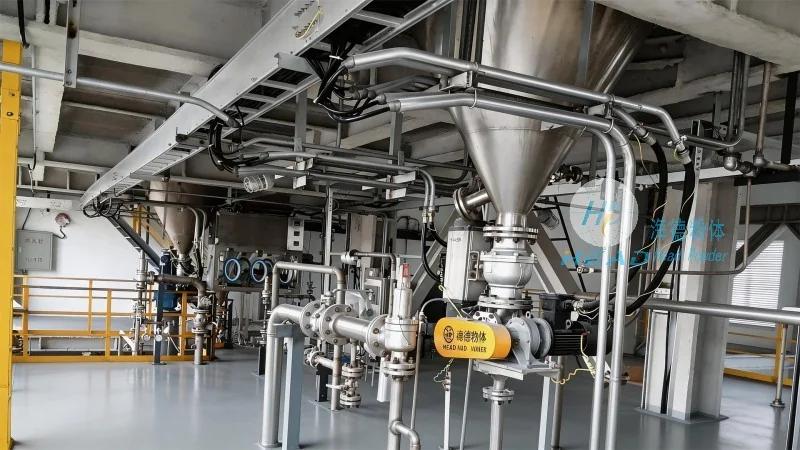
Another advantage is the ability to transport the powder over long distances without the need for intermediate storage or handling. This improves operational efficiency and reduces downtime associated with manual material transfer. Additionally, the system can be easily integrated with other processing equipment, such as mixers or reactors, to streamline production workflows.
Customization and Application Considerations
Due to the diverse applications of zinc oxide powder, pneumatic conveying systems are often customized to meet specific client needs. Shandong HeadPowder Engineering Co., Ltd. works closely with clients to assess their operational requirements, including the volume of material to be transported, the distance of transport, and the desired discharge point. The company’s engineers then design a system that optimizes performance while minimizing costs and maintenance.
When selecting a pneumatic conveying system for zinc oxide powder, it is essential to consider factors such as the powder's particle size distribution, bulk density, and flow characteristics. These parameters influence the system's design, including the air velocity required for transport and the size of the conveying line. Proper system sizing is critical to prevent issues like clogging or excessive pressure drop, which can lead to system failure.
Conclusion
A zinc oxide powder material pneumatic conveying system is a sophisticated and effective solution for handling this critical material. By adhering to key design principles and incorporating appropriate components, the system ensures efficient, safe, and reliable transport of zinc oxide powder. Companies like Shandong HeadPowder Engineering Co., Ltd. play a vital role in developing and implementing these systems, helping industries maintain product quality and operational efficiency.