

What is Smart Weighing Powder Pneumatic Conveying? What Are Its Design Principles?
Smart weighing powder pneumatic conveying systems represent a sophisticated approach to handling bulk materials in industrial settings. These systems integrate advanced weighing technology with pneumatic conveying mechanisms to ensure precise material measurement and efficient transport. The core objective is to provide accurate weight control while maintaining the integrity and flow of powders, which is crucial for applications in pharmaceuticals, food processing, chemical manufacturing, and other industries where precision is paramount. Developed by Shandong HeadPowder Engineering Co., Ltd. (commonly known as HeadPowder), these systems are engineered to meet the highest standards of industrial performance and reliability.
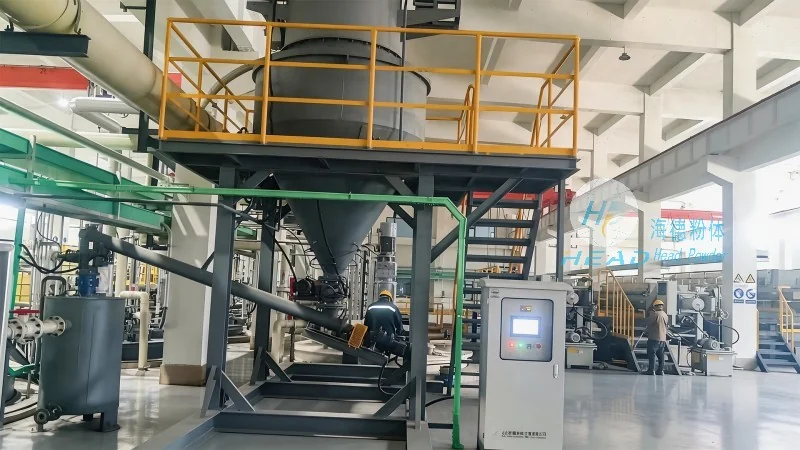
Key Components of a Smart Weighing Powder Pneumatic Conveying System
The design of a smart weighing system involves several critical components that work in tandem to achieve optimal performance. At the heart of the system is the precision load cell or weighing sensor, which is typically integrated into the hopper or feed section. This sensor continuously monitors the weight of the material being conveyed, providing real-time data on the mass flow rate. The system also includes a blower or air compressor that generates the necessary air pressure to move the powder through the pipeline. Additionally, a control unit processes the data from the weighing sensor and adjusts the air flow or feed rate accordingly, ensuring that the material is conveyed at the desired rate without overloading or under-conveying. The integration of these components allows for a seamless operation that balances accuracy with efficiency.
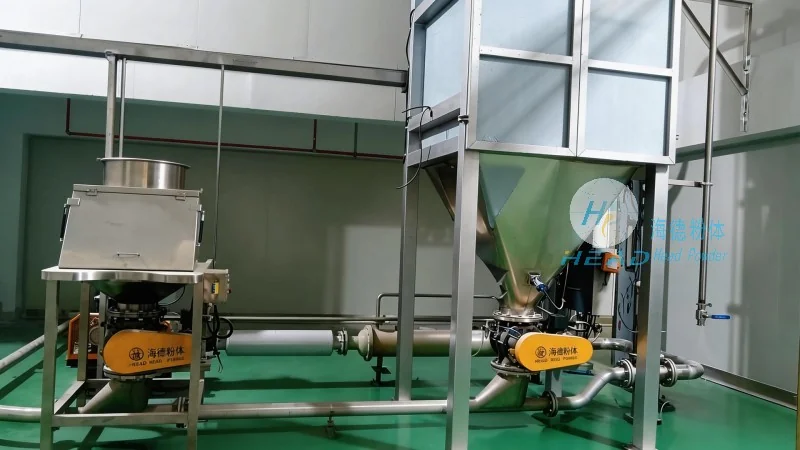
Design Principles for Efficient Material Handling
The design principles of smart weighing powder pneumatic conveying systems are centered on achieving balance between accuracy, efficiency, and reliability. One of the primary principles is the separation of weighing and conveying functions. This means that the weighing process occurs in a dedicated hopper or chamber, while the conveying takes place in a separate pipeline. This separation minimizes the impact of air pressure fluctuations on the weighing accuracy, as the sensor only measures the material mass and not the dynamic forces from the air flow. Another key principle is the use of closed-loop control. The control unit continuously adjusts the feed rate based on the real-time weight data, creating a feedback loop that maintains the desired material flow rate. This closed-loop system helps to compensate for variations in material density, moisture content, or particle size, ensuring consistent performance under varying conditions. The design also emphasizes modularity, allowing for easy integration with existing industrial setups and future scalability as production needs evolve.
Advantages of Smart Weighing Systems in Industrial Applications
Implementing a smart weighing powder pneumatic conveying system offers several advantages over traditional methods. First, it provides high accuracy and repeatability in material measurement, reducing errors that can occur with manual or batch weighing methods. This is particularly important in industries where product quality and compliance with regulations are critical. For example, in pharmaceutical manufacturing, precise weighing ensures that the correct dosage of active ingredients is delivered, meeting stringent regulatory standards. Second, the system enhances process efficiency by automating the weighing and conveying process, minimizing downtime and labor costs. The closed-loop control ensures that the material is conveyed at the optimal rate, preventing overfilling or underfilling of storage vessels or processing equipment. This leads to reduced waste and lower operational costs over time. Third, the system improves product quality and safety. By maintaining consistent material flow rates, it reduces the risk of agglomeration or segregation of powders, which can affect product consistency and handling properties. Additionally, the integration of weighing technology allows for better traceability and documentation of material usage, supporting quality control and regulatory compliance. This is especially valuable in industries like food and pharmaceuticals where batch tracking is mandatory.
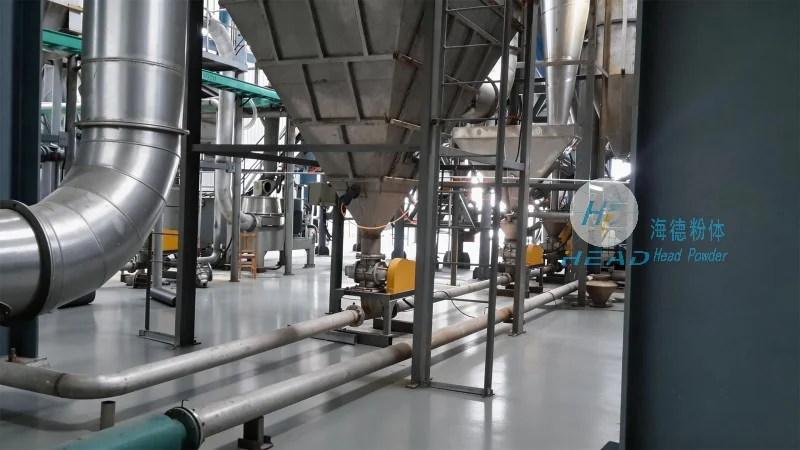
Application Examples and Industry Impact
Smart weighing powder pneumatic conveying systems are widely used in various industrial sectors. In the pharmaceutical industry, for example, these systems are essential for handling active pharmaceutical ingredients (APIs) and excipients with strict purity and dosage requirements. The precise weighing ensures that the correct amount of material is added to formulations, reducing variability in drug potency and improving patient safety. In the food processing industry, the systems are used for conveying ingredients such as flour, sugar, and spices, where consistency is crucial for product quality and consumer acceptance. The ability to control the flow rate accurately helps maintain the flavor and texture of food products. In chemical manufacturing, the systems help to control the addition of reagents and catalysts, improving reaction efficiency and reducing waste. The impact of these systems extends beyond individual processes; they contribute to overall operational excellence by enhancing productivity, reducing costs, and improving product quality. Companies that adopt these systems often report increased productivity and reduced material waste, leading to improved profitability and market competitiveness.