When it comes to the production and processing of lithium-ion battery materials, efficient material handling is crucial for ensuring smooth operations and maintaining product quality. The transportation of raw materials, intermediates, and finished products requires specialized equipment and methods tailored to the unique properties of these materials. In this article, we will explore some of the most common methods used for transporting lithium-ion battery materials, highlighting their applications and benefits.
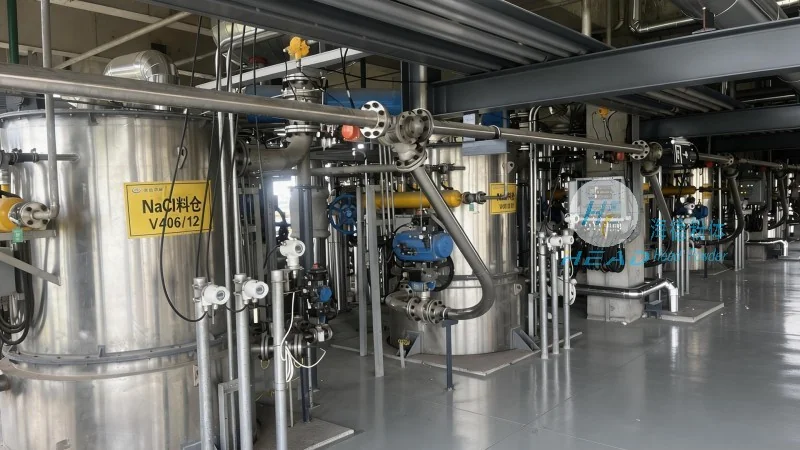
1. Belt Conveyor Systems
Belt conveyors are widely used in the lithium-ion battery material industry due to their versatility and ability to handle a wide range of materials. These systems consist of a continuous loop of belt that moves materials from one point to another through the use of rollers or pulleys. Belt conveyors are particularly effective for transporting bulk materials such as lithium carbonate, lithium hydroxide, and other powders. The smooth operation of belt conveyors ensures minimal material degradation and reduces the risk of contamination, which is critical in the battery material sector. Shandong HeadPowder Engineering Co., Ltd. specializes in designing and manufacturing customized belt conveyor solutions that meet the specific needs of battery material processing facilities.
2. Screw Conveyors
Screw conveyors, also known as auger conveyors, are another common method for transporting lithium-ion battery materials. These systems use a rotating screw or auger to move materials along a tube or trough. Screw conveyors are ideal for handling dry, free-flowing powders and granules, such as lithium iron phosphate (LFP) and other battery active materials. They are particularly useful in applications where vertical or inclined transport is required, as the screw mechanism can lift materials to higher levels without the need for additional equipment. The compact design of screw conveyors makes them suitable for space-constrained battery material processing plants. HeadPowder Engineering provides screw conveyor systems that are engineered for durability and efficiency in handling various lithium-ion battery materials.
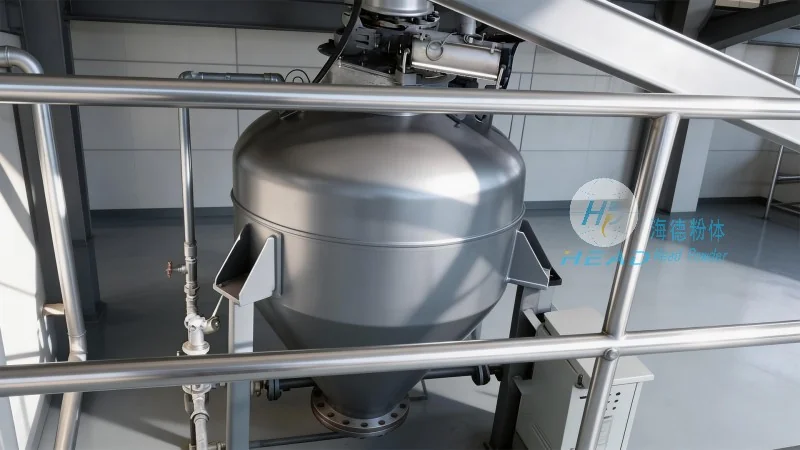
3. Pneumatic Conveying Systems
Pneumatic conveying systems use air or other gases to transport materials through a pipeline. This method is particularly effective for transporting fine powders and dusts, which are common in lithium-ion battery material production. Pneumatic conveyors can be classified into two main types: pressure and vacuum systems. Pressure systems use compressed air to push materials through the pipeline, while vacuum systems use suction to draw materials in. Pneumatic conveying offers advantages such as the ability to transport materials over long distances and the flexibility to integrate with existing processing equipment. However, it requires careful control of air pressure and flow rates to prevent material degradation or blockages. Shandong HeadPowder Engineering Co., Ltd. offers advanced pneumatic conveying solutions that ensure reliable and efficient transport of lithium-ion battery materials.
4. Vibrating Conveyors
Vibrating conveyors utilize vibrations to move materials along a trough or conveyor bed. These systems are commonly used for transporting bulk materials, including lithium carbonate and other powders, in the battery material industry. The vibrations help to prevent material bridging and ensure consistent flow rates. Vibrating conveyors are particularly effective for handling materials that are prone to sticking or clumping, such as certain battery active materials. They are also suitable for applications where gentle handling is required to avoid product damage. HeadPowder Engineering designs vibrating conveyor systems that are optimized for the specific characteristics of lithium-ion battery materials, ensuring minimal product degradation and efficient material transport.
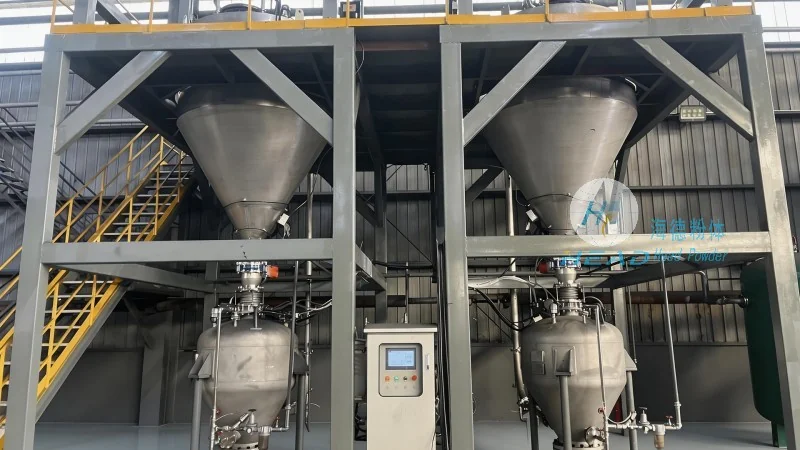
5. Bucket Elevators
Bucket elevators are used for vertical transport of materials in the lithium-ion battery material industry. These systems consist of a series of buckets attached to a belt or chain that moves vertically. The buckets scoop up materials from a lower level and discharge them at a higher level. Bucket elevators are ideal for transporting large quantities of bulk materials, such as lithium hydroxide and other powders, over significant vertical distances. They are particularly useful in battery material processing plants where vertical space is available. Shandong HeadPowder Engineering Co., Ltd. provides bucket elevator solutions that are engineered for high capacity and reliable operation, ensuring efficient material transport in battery material production lines.
6. Hydraulic Conveyors
Hydraulic conveyors use hydraulic power to move materials through a system of pipes and valves. This method is less common in the lithium-ion battery material industry but can be used for specialized applications, such as transporting viscous or sticky materials. Hydraulic conveyors offer the advantage of precise control over material flow rates and can handle materials that are difficult to transport with other methods. However, they require specialized maintenance and are generally more expensive than other conveyor systems. HeadPowder Engineering offers hydraulic conveyor solutions for specific battery material processing needs, ensuring reliable and efficient transport of challenging materials.




