Ammonium chloride, a widely used chemical compound in various industrial applications, requires efficient and reliable equipment for its transportation and handling. This article explores the essential aspects of ammonium chloride material handling equipment, focusing on its design principles and the technology behind its operation. By understanding these elements, industries can ensure safe and effective processing of ammonium chloride, optimizing production efficiency and maintaining product quality.
Understanding Ammonium Chloride and Its Handling Requirements
Ammonium chloride (NH₄Cl) is a white crystalline salt commonly used in agriculture, food processing, and chemical manufacturing. Due to its hygroscopic nature and potential to cause corrosion in certain environments, specialized equipment is necessary to handle it safely. The design of ammonium chloride material handling equipment must consider factors such as material properties, environmental conditions, and operational safety to prevent accidents and ensure compliance with industrial standards.
Key Design Principles for Ammonium Chloride Material Handling Equipment
The design of ammonium chloride material handling equipment is guided by several critical principles to ensure optimal performance and safety. First, the equipment must be constructed from materials resistant to corrosion and chemical exposure, as ammonium chloride can be aggressive to certain metals. Stainless steel or specialized alloys are often used for components that come into direct contact with the material. Second, the design emphasizes dust control and explosion prevention, as ammonium chloride is a combustible dust in certain concentrations. Enclosed systems, proper ventilation, and explosion-proof motors are integral to meeting these safety requirements. Third, the equipment is engineered for efficient material flow, minimizing blockages and ensuring consistent throughput. This includes features like smooth surfaces, appropriate inclination angles, and effective sealing mechanisms to prevent material buildup and contamination.
Components and Technologies in Ammonium Chloride Material Handling Systems
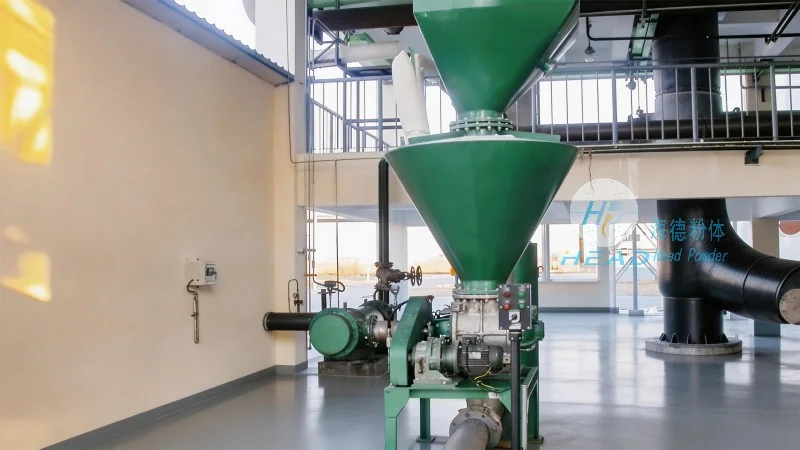
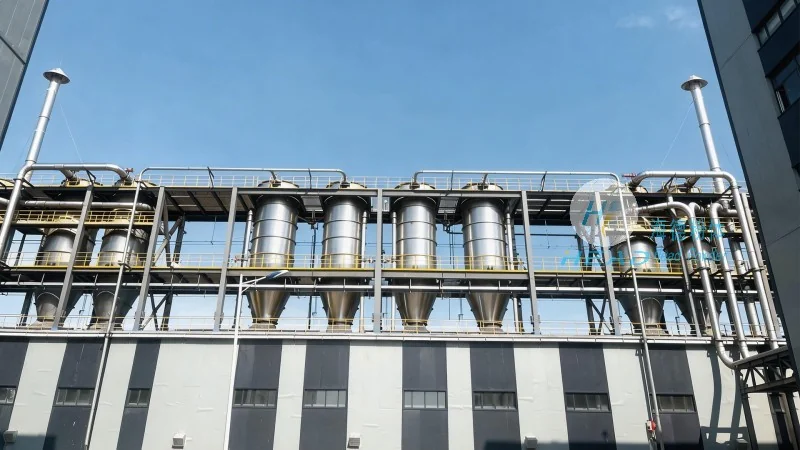
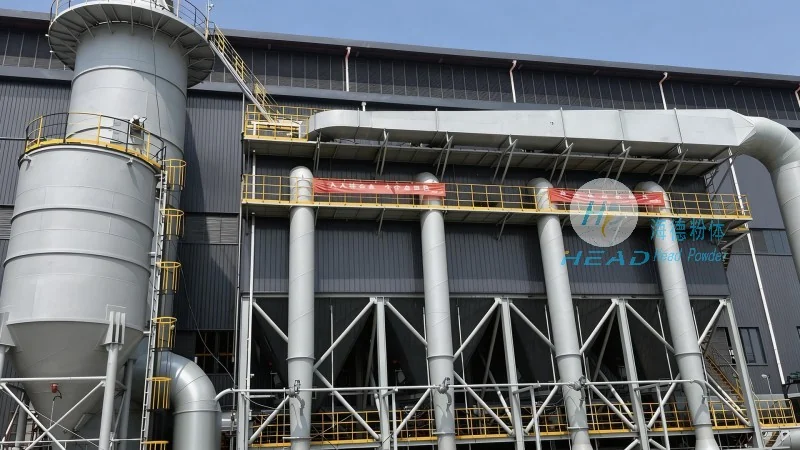
Ammonium chloride material handling equipment typically consists of several key components that work together to facilitate efficient transport. Conveyors, such as belt or screw conveyors, are commonly used to move the material horizontally or vertically. These systems are designed with non-stick surfaces to prevent material adhesion and ensure smooth operation. Hoppers and feeders are also essential, as they regulate the flow of ammonium chloride into the conveying system, preventing overloading and maintaining consistent feed rates. Additionally, dust collection systems are integrated to capture airborne particles, protecting both the equipment and the environment from contamination. The use of advanced control systems allows for real-time monitoring of the material flow, enabling operators to adjust settings as needed and optimize performance.
Applications and Industries Using Ammonium Chloride Material Handling Equipment
Ammonium chloride material handling equipment is utilized across a range of industries where the compound is a key ingredient. In the agricultural sector, it is used as a fertilizer and animal feed supplement, requiring equipment that can handle bulk quantities and maintain product purity. The chemical industry relies on ammonium chloride for various processes, including the production of other chemicals and as a precursor in manufacturing. Food processing facilities also use ammonium chloride as a food additive, necessitating equipment that meets strict hygiene and safety standards. Each application may require specific modifications to the equipment, such as additional filtration or cleaning systems, to ensure compliance with industry regulations.
Ensuring Safety and Compliance in Ammonium Chloride Handling
Handling ammonium chloride safely is paramount due to its potential hazards. The equipment is designed with safety features such as emergency stop buttons, overload protection, and proper grounding to prevent electrical hazards. Regular maintenance and inspection are critical to maintaining the equipment's performance and safety. This includes checking for wear and tear on components, ensuring proper lubrication, and verifying that dust collection systems are functioning correctly. Compliance with local and international regulations, such as those from OSHA or the EPA, is also essential. Companies must ensure that their ammonium chloride material handling equipment meets all relevant standards to avoid legal issues and protect their workforce.
Choosing the Right Ammonium Chloride Material Handling Equipment
When selecting ammonium chloride material handling equipment, several factors must be considered to ensure the best fit for a specific application. The first consideration is the volume and frequency of material handling, as this will determine the capacity and speed of the equipment needed. The second factor is the environment where the equipment will be used, including temperature, humidity, and exposure to other chemicals. The third consideration is the budget and maintenance requirements, as different equipment options may have varying costs and upkeep needs. Consulting with experts, such as those from Shandong HeadPowder Engineering Co., Ltd., can provide valuable insights into the best equipment for a particular situation. Their expertise in designing and manufacturing specialized material handling systems ensures that the chosen equipment meets all operational and safety requirements.
Conclusion: The Importance of Reliable Ammonium Chloride Material Handling Equipment
Efficient and safe handling of ammonium chloride is crucial for industries that rely on this chemical compound. The design principles and technologies behind ammonium chloride material handling equipment play a vital role in ensuring optimal performance and safety. By understanding the key components and design considerations, businesses can select and maintain equipment that meets their needs while adhering to industry standards. As a leader in the field, Shandong HeadPowder Engineering Co., Ltd. specializes in providing high-quality ammonium chloride material handling equipment, tailored to the specific requirements of various industries. Their commitment to safety, efficiency, and innovation ensures that their equipment helps businesses achieve their production goals while maintaining the highest standards of operation.




