Understanding the Manganese Silicate Powder Conveyor and Its Design Principles
Introduction to Manganese Silicate Powder Conveyors
Manganese silicate is a crucial industrial material widely used in various applications, including battery production, steel manufacturing, and chemical processing. The efficient handling and transportation of this powder are essential for maintaining production efficiency and product quality. A specialized piece of equipment designed for this purpose is the manganese silicate powder conveyor. This article aims to provide a comprehensive overview of what this conveyor is and the underlying design principles that make it effective in handling such materials.
What Is a Manganese Silicate Powder Conveyor?
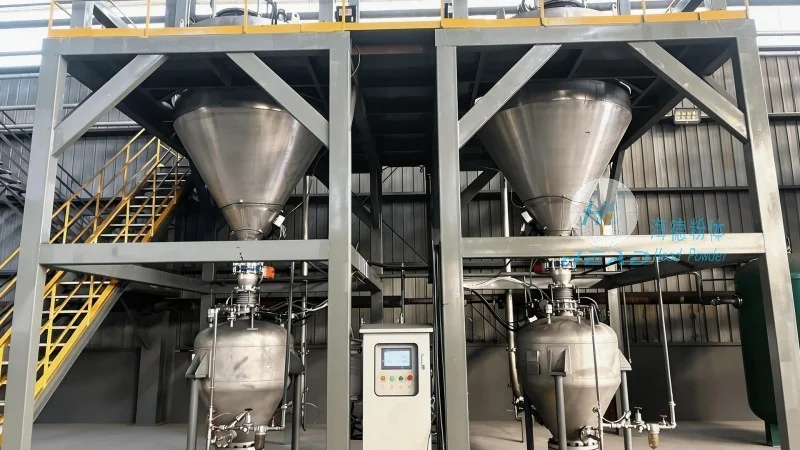
A manganese silicate powder conveyor is a specialized type of bulk material handling equipment designed to transport manganese silicate powder from one location to another within an industrial setting. It is engineered to handle the unique properties of manganese silicate, such as its fine particle size, potential for dust generation, and varying flow characteristics. The conveyor system typically consists of components like a hopper, feeding mechanism, conveying tube or belt, and discharge outlet. The design ensures that the powder is moved smoothly and safely, minimizing the risk of clogging, segregation, or material loss.
Key Design Principles for Manganese Silicate Powder Conveyors
The effectiveness of a manganese silicate powder conveyor relies on several critical design principles that address the specific challenges of handling this material. These principles are tailored to optimize performance, ensure safety, and maintain the integrity of the powder during transport.
1. Material Compatibility and Wear Resistance
One of the primary design considerations is the material compatibility of the conveyor components with manganese silicate. The material is abrasive and can cause significant wear on metal surfaces over time. Therefore, the conveyor is constructed using materials that are resistant to abrasion and corrosion, such as high-grade stainless steel or specialized alloys. This ensures that the equipment maintains its structural integrity and operational efficiency even under continuous use. The choice of materials also minimizes the risk of contamination from the conveyor itself, which is critical for maintaining the purity of the manganese silicate powder.
2. Low-Pressure and Gentle Handling
Manganese silicate powder is often sensitive to high pressures and mechanical stress, which can lead to particle degradation or agglomeration. The design of the conveyor incorporates low-pressure feeding mechanisms and smooth conveying paths to minimize these risks. For example, some systems use air-assisted or pneumatic conveying methods that gently lift and move the powder through the system without applying excessive force. This approach helps preserve the particle size distribution and prevents the formation of clumps, which could affect downstream processes.
3. Dust Control and Environmental Safety
Due to its fine particle nature, manganese silicate powder can generate significant dust during handling. The design of the conveyor includes robust dust control measures to ensure a safe working environment. This may involve enclosed conveyor systems with effective filtration and ventilation, as well as sealing mechanisms to prevent dust leakage. The system is engineered to comply with environmental regulations and occupational health standards, reducing the risk of respiratory issues or environmental contamination.
4. Customization for Flow Characteristics
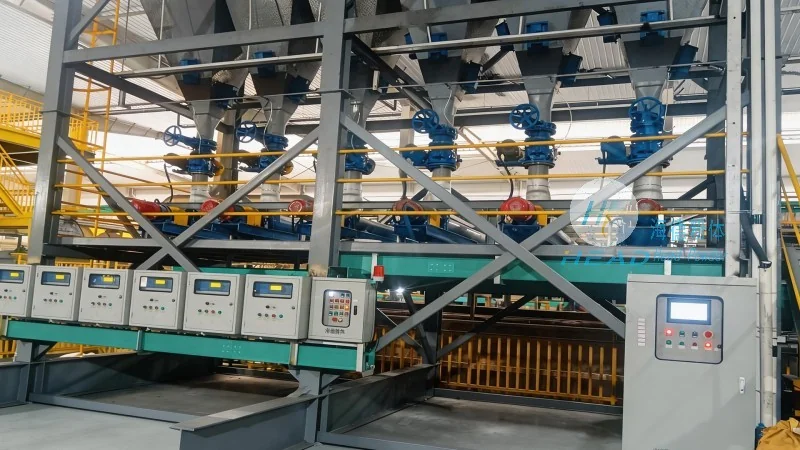
Each batch of manganese silicate powder may have different flow characteristics, such as angle of repose, bulk density, and cohesive properties. The conveyor design allows for customization to accommodate these variations. Adjustable components, such as variable speed drives and hopper designs, enable operators to optimize the conveying process for specific powder types. This flexibility ensures that the conveyor can handle a wide range of manganese silicate products efficiently, regardless of their physical properties.
5. Integration with Processing Systems
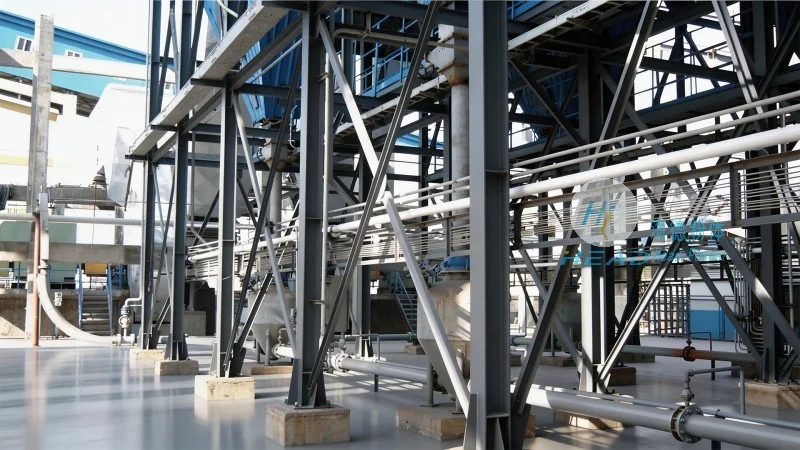
The manganese silicate powder conveyor is often integrated into larger processing systems, such as mixing, blending, or packaging lines. The design incorporates features that facilitate seamless integration, including standardized interfaces, compatible control systems, and precise dosing mechanisms. This integration allows for automated and continuous operation, enhancing overall production efficiency and reducing the need for manual intervention.
Applications and Benefits of Manganese Silicate Powder Conveyors
The use of a manganese silicate powder conveyor offers several advantages in industrial applications. By efficiently transporting the material, it helps streamline production processes, reduce downtime, and improve product consistency. The design principles discussed above contribute to these benefits by ensuring the powder is handled gently, safely, and with minimal loss. This leads to cost savings in terms of material usage, equipment maintenance, and environmental compliance.
Conclusion
In summary, a manganese silicate powder conveyor is a specialized piece of equipment designed to handle the unique properties of manganese silicate powder. Its design incorporates principles such as material compatibility, low-pressure handling, dust control, and customization to ensure efficient and safe operation. By understanding these design principles, industrial facilities can select and implement the appropriate conveyor system to meet their specific needs, optimizing production processes and maintaining product quality.
For more information on manganese silicate powder conveyors and related industrial solutions, please contact Shandong HeadPowder Engineering Co., Ltd., a leading provider of bulk material handling equipment based in China.




