Wheat, as a key cereal grain, plays a vital role in global food production and processing. The efficient handling and transportation of wheat from storage to processing facilities are critical for maintaining quality and operational efficiency. Pneumatic conveying systems have emerged as a sophisticated solution for transporting wheat and other powders, offering advantages such as reduced dust, improved hygiene, and enhanced process control. This article delves into the working principle of wheat pneumatic conveying systems, exploring how they operate and why they are widely adopted in the agricultural and food processing industries.
Understanding Pneumatic Conveying Systems for Wheat
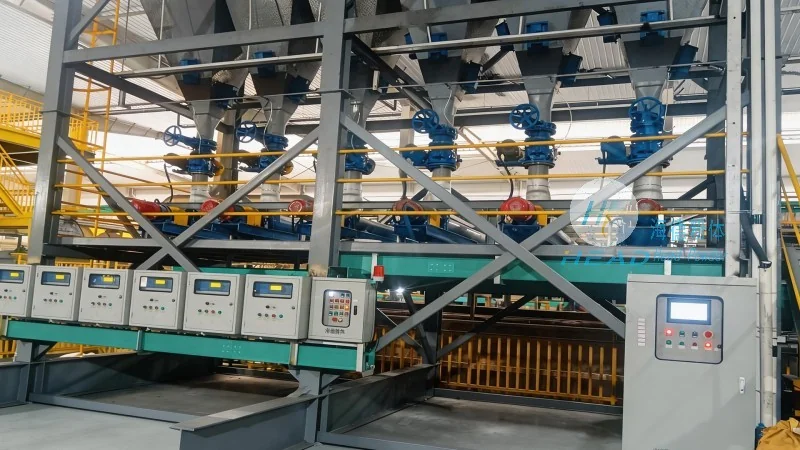
Pneumatic conveying, or air-assisted transport, is a method of moving bulk materials like wheat through a pipeline using a stream of air. Unlike traditional mechanical conveyors, which rely on belts or screws, pneumatic systems utilize air pressure to propel the material. This technology is particularly suitable for wheat because it is lightweight, abrasive, and requires careful handling to preserve its quality. The system typically consists of a hopper, a blower or compressor, a pipeline network, and a receiver or discharge point. Each component works in harmony to ensure smooth and efficient transport.
Key Components of a Wheat Pneumatic Conveying System
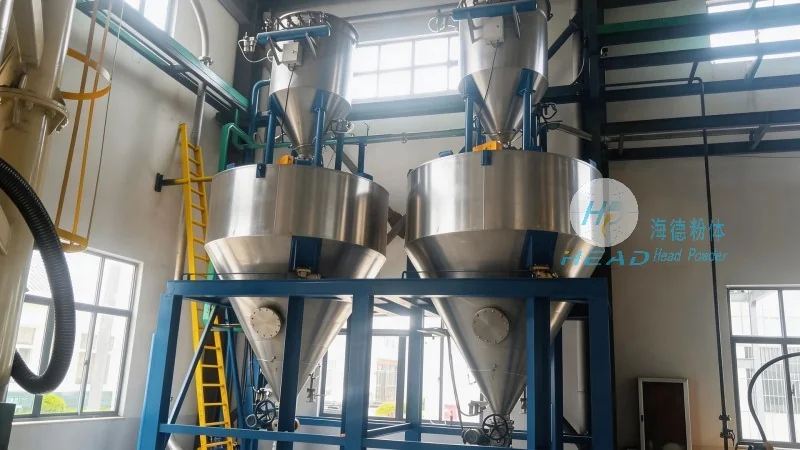
The effectiveness of a wheat pneumatic conveying system depends on several critical components, each designed to optimize the transport process. The hopper serves as the storage and feeding unit, where wheat is loaded and metered into the system. It is equipped with a feeder, often a rotary valve or a screw feeder, which controls the flow rate of the material into the pipeline. The blower or compressor generates the necessary air pressure to move the wheat through the system. This component can be either positive displacement or centrifugal, depending on the system's capacity and requirements. The pipeline network is a network of pipes that connect the hopper to the discharge point, with bends, elbows, and straight sections designed to minimize pressure loss and maintain consistent air flow. Finally, the receiver or discharge point collects the wheat at the end of the pipeline, where it is deposited into a storage bin or processing equipment.
How the System Works: The Working Principle
The operation of a wheat pneumatic conveying system follows a sequential process that ensures the material is transported safely and efficiently. The process begins with the wheat being loaded into the hopper. The feeder then regulates the flow of wheat into the pipeline, ensuring a consistent feed rate. Simultaneously, the blower generates a high-pressure air stream that enters the pipeline. As the air flows through the pipe, it picks up the wheat particles and propels them forward. The air and wheat mixture travels through the pipeline network, passing through bends and other components, while maintaining sufficient velocity to prevent material settling or blockages. At the discharge point, the air and wheat mixture enters a separator or receiver. The separator uses a combination of air pressure and gravity to separate the wheat from the air stream. The wheat is then collected in the receiver, while the air is either vented to the atmosphere or recirculated back to the blower, depending on the system design. This separation process is crucial for maintaining the quality of the wheat and preventing contamination.
Advantages of Pneumatic Conveying for Wheat Handling
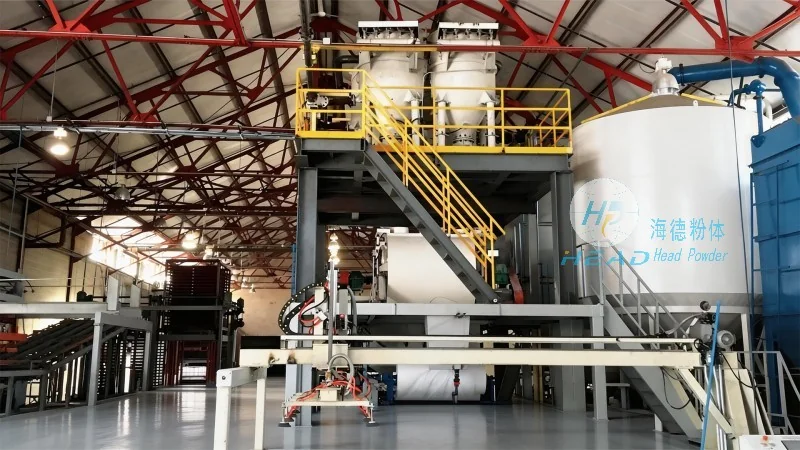
Compared to traditional mechanical conveyors, pneumatic conveying systems offer several advantages that make them ideal for wheat handling. One of the primary benefits is the reduction of dust and contamination. Since the wheat is enclosed within the pipeline, it is protected from external contaminants and dust, which is particularly important for food-grade products. Additionally, pneumatic systems are more hygienic and easier to clean, as they have fewer moving parts and no open surfaces that can harbor bacteria or other microorganisms. Another advantage is the ability to transport wheat over long distances without the need for multiple transfer points. This reduces the risk of material degradation and improves overall process efficiency. Furthermore, pneumatic conveying systems are more flexible and can be easily modified or expanded to accommodate changes in production volume or facility layout. They can also handle a wide range of wheat types and qualities, making them versatile for various applications.
About HeadPowder: Your Partner in Powder Handling Solutions
Shandong HeadPowder Engineering Co., Ltd., commonly known as HeadPowder, is a leading provider of advanced powder handling and conveying systems. With a focus on innovation and customer satisfaction, HeadPowder specializes in designing and manufacturing customized pneumatic conveying solutions for the agricultural, food, and industrial sectors. The company's expertise lies in understanding the unique challenges of handling bulk materials like wheat and developing systems that meet the highest standards of efficiency, reliability, and safety. HeadPowder's team of engineers and technicians work closely with clients to assess their specific needs and provide tailored solutions that optimize their operations. The company's commitment to quality is evident in its adherence to international standards and rigorous testing protocols. By partnering with HeadPowder, businesses can enhance their wheat handling processes, reduce operational costs, and ensure the quality of their products. HeadPowder's solutions are designed to be durable, low-maintenance, and environmentally friendly, aligning with the industry's evolving demands for sustainable and efficient operations.




