When it comes to the efficient and reliable transport of silica sand, understanding the core structural components of pneumatic conveying systems is crucial. These systems are designed to handle the unique properties of silica sand, ensuring optimal performance and minimal operational issues. The key structures in such systems are integral to maintaining the flow, pressure, and overall functionality required for industrial applications.
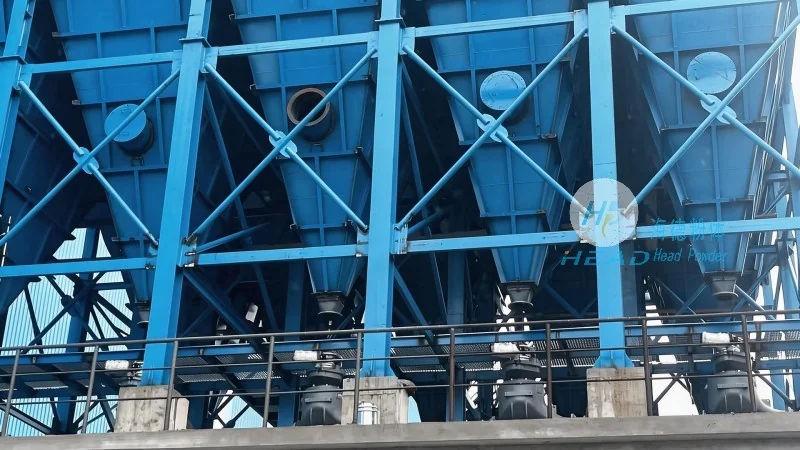
1. Material Handling Components
The material handling components form the backbone of any pneumatic conveying system for silica sand. These include the hopper or silo, which serves as the storage and feeding unit. The hopper is typically equipped with a rotary valve or feeder to control the flow of sand into the system. This component is critical as it determines the consistency and rate of material discharge, which directly impacts the system's throughput. The design of the hopper often incorporates features to prevent material bridging or caking, common issues in handling fine powders like silica sand. Additionally, the material handling section may include a pre-separation or filtration system to remove larger particles or moisture, ensuring the sand entering the conveying line is of consistent quality.
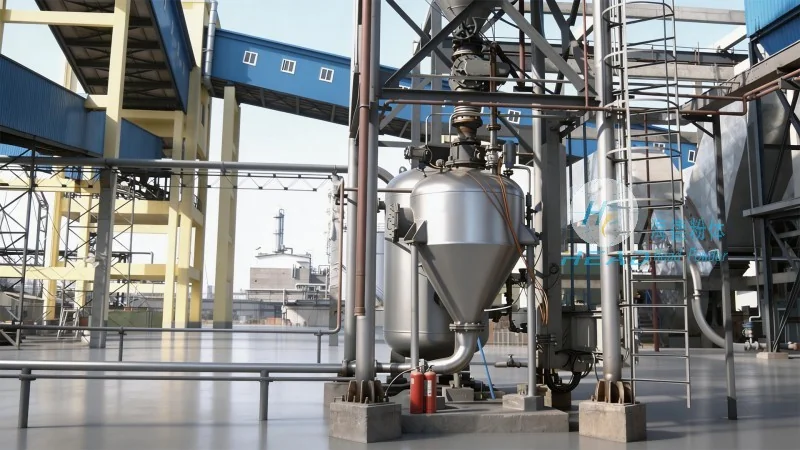
2. Conveying Line and Pipeline System
The conveying line, or pipeline, is the central pathway through which silica sand is transported under pressure. This system can be categorized into two main types: positive pressure and negative pressure (or vacuum) systems. In positive pressure systems, air is blown into the pipeline, creating a pressure differential that propels the sand particles. The pipeline is constructed from materials resistant to abrasion and corrosion, such as stainless steel or high-density polyethylene, to withstand the abrasive nature of silica sand and the effects of air and moisture. The diameter and length of the pipeline are carefully selected based on the required flow rate, particle size, and system pressure. The pipeline may also include bends, elbows, and straight sections, with each component designed to minimize pressure loss and maintain the velocity of the sand-air mixture. Properly sized and positioned pipeline components are essential for preventing blockages and ensuring smooth material transport.
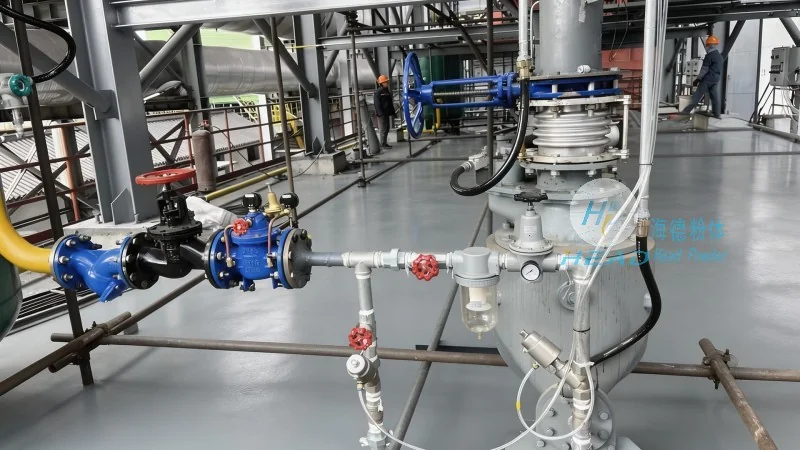
3. Air Supply and Pressure Control Units
Compressors and air supply units are vital for generating the necessary pressure to move silica sand through the conveying line. These units can be either positive displacement or centrifugal compressors, depending on the system requirements. The air supply system includes filters, regulators, and moisture separators to ensure the air is clean and dry, preventing contamination of the silica sand and damage to the system components. Pressure control valves and regulators are used to maintain consistent pressure throughout the system, which is critical for stable material flow. The selection of the air supply unit depends on factors such as the required flow rate, pressure, and the distance the sand needs to be conveyed. Proper maintenance of these units is essential to avoid inefficiencies and equipment failure.
4. Collection and Discharge Equipment
The collection and discharge equipment is responsible for receiving the silica sand at the end of the conveying line and transferring it to the final destination. This typically includes a receiver or silo, which is equipped with a discharge valve or rotary valve to control the flow of sand out of the system. The receiver may also include a dust collection system, such as a cyclone or baghouse, to capture any fine particles that escape during the discharge process. The design of the receiver is important to prevent pressure buildup and ensure safe operation. The discharge equipment may also include a conveyor or bucket elevator to transport the sand to its final storage or processing location. Proper sealing and maintenance of the discharge equipment are crucial to prevent material loss and contamination.
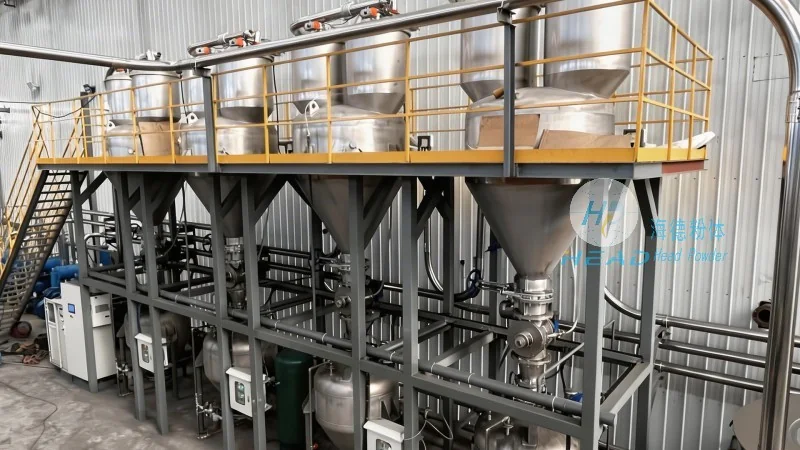
5. Control and Monitoring Systems
Modern pneumatic conveying systems for silica sand often incorporate advanced control and monitoring systems to optimize performance and ensure safety. These systems include sensors for measuring pressure, flow rate, and temperature, as well as control panels with programmable logic controllers (PLCs) to regulate the operation of the system. The control system can adjust the air pressure, feeding rate, and other parameters in real-time to maintain optimal conditions. Additionally, the monitoring system provides alerts for any abnormalities, such as pressure drops or material blockages, allowing for quick intervention and minimizing downtime. The use of automation in these systems enhances efficiency and reduces the need for manual intervention, making the operation more reliable and cost-effective.




