Shandong HeadPowder Engineering Co., Ltd., a leading enterprise in the field of manganese carbonate processing, specializes in providing comprehensive technical solutions for manganese carbonate production. This article focuses on the technical parameters of manganese carbonate and the process of its transport system, offering insights into the key aspects of the production and handling of this critical material.
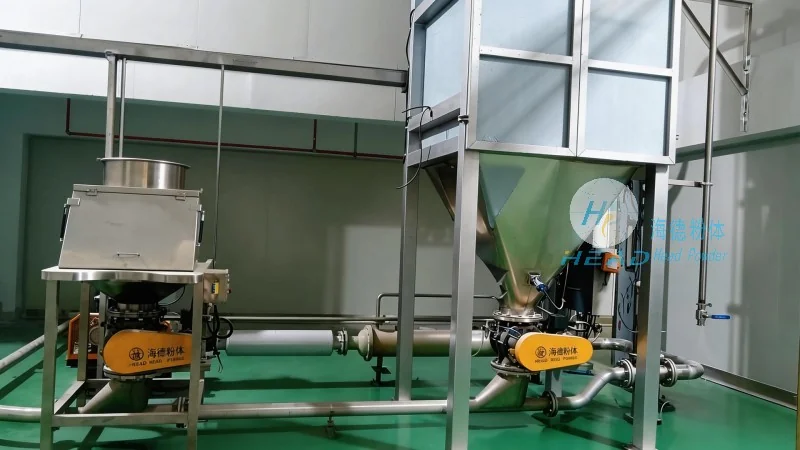
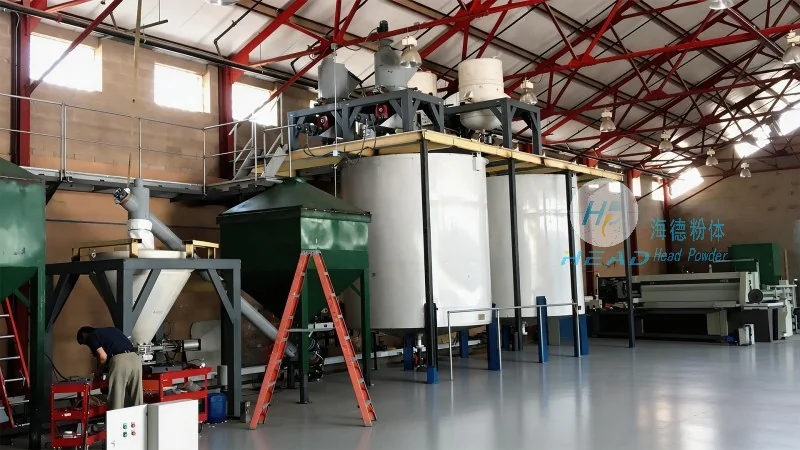
Technical Parameters of Manganese Carbonate
Manganese carbonate, with the chemical formula MnCO₃, is a white or light green crystalline powder widely used in various industrial applications, including battery manufacturing, steel production, and chemical synthesis. The technical parameters of manganese carbonate are crucial for ensuring its quality and suitability for downstream processes. Key parameters include purity, particle size distribution, moisture content, and bulk density. The company's production processes are designed to meet stringent industry standards, ensuring consistent product quality. For instance, the typical purity of manganese carbonate produced by HeadPowder ranges from 98% to 99.5%, depending on the specific application requirements. Particle size is another critical parameter, as it affects the material's flowability and reactivity. The company utilizes advanced grinding and classification technologies to achieve the desired particle size distribution, typically ranging from 100 mesh to 325 mesh, which optimizes the material's performance in various industrial settings.
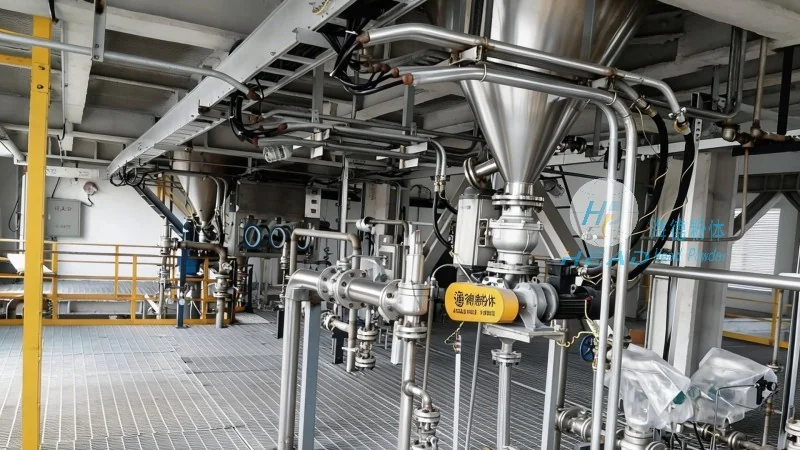
Transport System Process of Manganese Carbonate
The transport system for manganese carbonate is designed to ensure efficient and safe handling from production to end-use. The process involves several key steps, starting with material storage and then moving to transportation. Initially, the manganese carbonate is stored in bulk storage silos or bags, depending on the scale of operation. The storage facilities are equipped with moisture control systems to prevent caking and maintain product quality. For bulk transport, conveyor systems and pneumatic conveying equipment are employed to move the material from storage to processing units or to the customer's site. The transport system is designed to minimize material loss and ensure consistent flow rates. The company's transport solutions are tailored to meet the specific needs of each client, considering factors such as distance, volume, and destination. For example, for short-distance transport within the plant, belt conveyors are used, while for longer distances, pneumatic conveying systems are preferred due to their ability to handle fine powders without segregation. The transport process also includes quality checks at various stages to ensure that the material remains within the specified technical parameters throughout the journey.
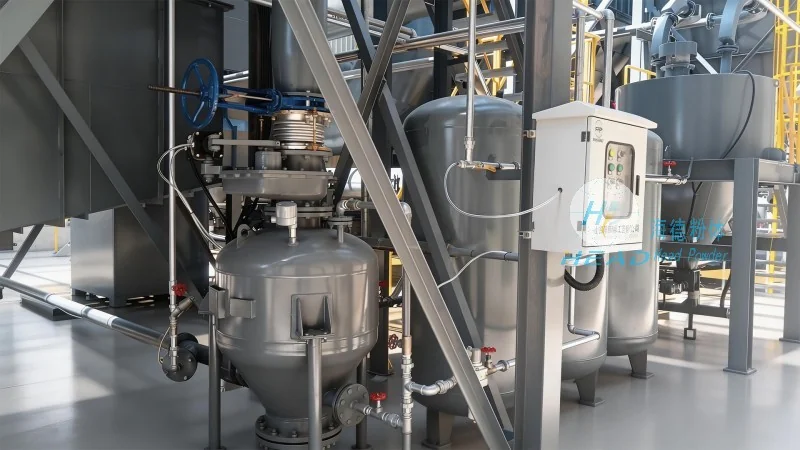
Quality Assurance and Process Optimization
HeadPowder places a strong emphasis on quality assurance throughout the entire production and transport process. Regular testing is conducted to monitor key parameters such as purity, particle size, and moisture content. This ensures that the final product meets the required specifications. The company also continuously optimizes its processes to improve efficiency and reduce costs. For instance, the use of advanced control systems in the production line allows for real-time monitoring and adjustment of process variables, leading to consistent product quality and reduced waste. Similarly, the transport system is optimized for energy efficiency and minimal environmental impact. The company adheres to strict safety protocols to prevent dust explosions and other hazards associated with handling fine powders. This includes the use of explosion-proof equipment and proper ventilation systems in all storage and transport areas.




