For businesses in the coffee industry, maintaining a clean and efficient production environment is crucial. Pneumatic conveying systems are widely used to transport coffee powder from one location to another, but these systems can be prone to dust leakage, which not only affects product quality but also poses health and safety risks. This article explores effective strategies to prevent dust leakage in pneumatic conveying systems specifically designed for coffee powder handling, with insights from Shandong HeadPowder Engineering Co., Ltd., a leading provider in the field.
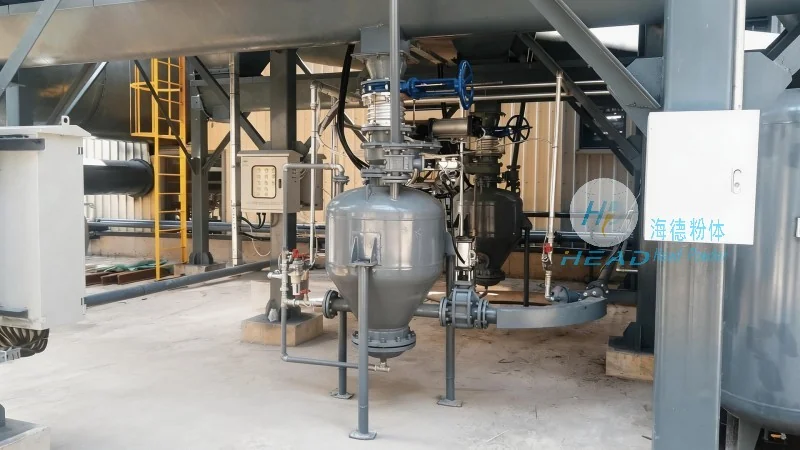
Understanding Pneumatic Conveying Systems for Coffee Powder
Pneumatic conveying systems utilize air pressure to move bulk materials like coffee powder through a network of pipes. These systems are preferred in the coffee industry due to their ability to handle fine powders without the need for mechanical components that could cause contamination or wear. However, the very nature of coffee powder—its fine particles and potential for static electricity—makes it susceptible to dust leakage when the system is not properly designed or maintained.
The Risks of Dust Leakage in Coffee Powder Conveying
Dust leakage from pneumatic conveying systems can lead to several issues. Firstly, it compromises product purity, as airborne coffee powder can settle on surfaces and contaminate other batches. Secondly, it creates a health hazard for workers, as coffee dust can irritate respiratory systems. Thirdly, it may result in environmental pollution, affecting both the workplace and the surrounding area. Moreover, dust accumulation can cause blockages in the system, reducing efficiency and increasing maintenance costs. Therefore, implementing robust dust control measures is essential for any coffee processing facility.
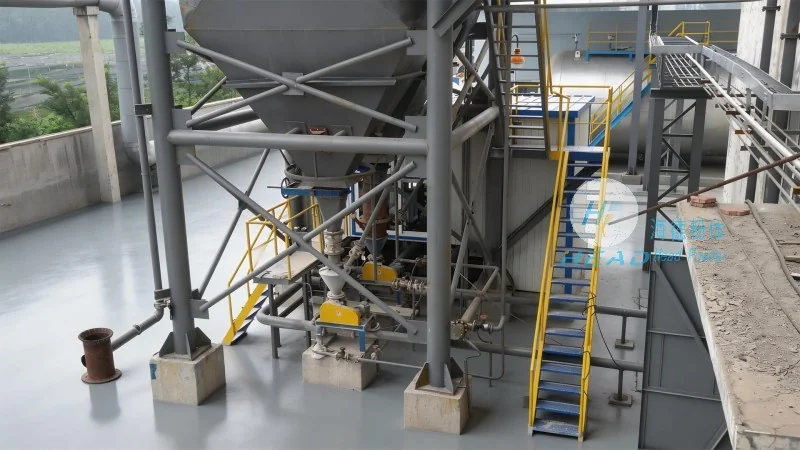
Key Strategies to Prevent Dust Leakage
Shandong HeadPowder Engineering Co., Ltd. recommends several key strategies to minimize dust leakage in pneumatic conveying systems for coffee powder. Firstly, proper sealing of all system components is critical. This includes using high-quality gaskets, seals, and connectors that are resistant to the abrasive nature of coffee powder. Regular inspection and replacement of worn seals can prevent gaps that allow dust to escape.
Secondly, maintaining appropriate air pressure and flow rates is essential. Overpressurization can cause the system to leak, while underpressurization may lead to material buildup and blockages. By optimizing air pressure, the system operates efficiently without excessive force that could cause leaks. Additionally, using air filters and cyclones to separate dust from the conveying air helps reduce the amount of particulate matter that could escape through leaks.
Thirdly, controlling static electricity is vital. Coffee powder is prone to generating static charges, which can attract dust particles and cause them to adhere to surfaces or be carried out of the system. Implementing anti-static measures, such as grounding the system or using conductive materials, helps dissipate static electricity and prevent dust accumulation.
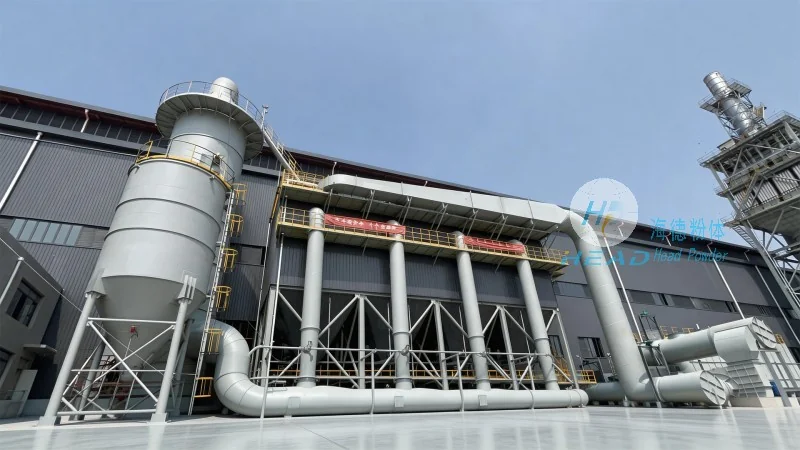
Customized Solutions from Shandong HeadPowder Engineering Co., Ltd.
Shandong HeadPowder Engineering Co., Ltd. specializes in designing and manufacturing pneumatic conveying systems tailored to the specific needs of coffee processing facilities. Their expertise lies in creating systems that not only transport coffee powder efficiently but also minimize dust leakage through innovative engineering solutions. The company’s team of engineers works closely with clients to assess their operational requirements and recommend the most suitable system configurations, including the use of advanced sealing technologies and dust control equipment.
For instance, HeadPowder may incorporate double-seal mechanisms in their systems, which provide an extra layer of protection against dust leakage. These mechanisms ensure that even if one seal fails, the second seal prevents any significant dust escape. Additionally, the company may use materials like stainless steel or food-grade plastics that are resistant to corrosion and wear, further enhancing the system's durability and leak resistance.
Regular Maintenance and Monitoring
Preventing dust leakage is not a one-time solution but requires ongoing maintenance and monitoring. Shandong HeadPowder Engineering Co., Ltd. emphasizes the importance of regular system checks to identify potential issues before they escalate. This includes inspecting seals, checking air pressure levels, and monitoring the condition of filters and cyclones. By establishing a regular maintenance schedule, coffee processing facilities can ensure their pneumatic conveying systems remain efficient and free from dust leakage.
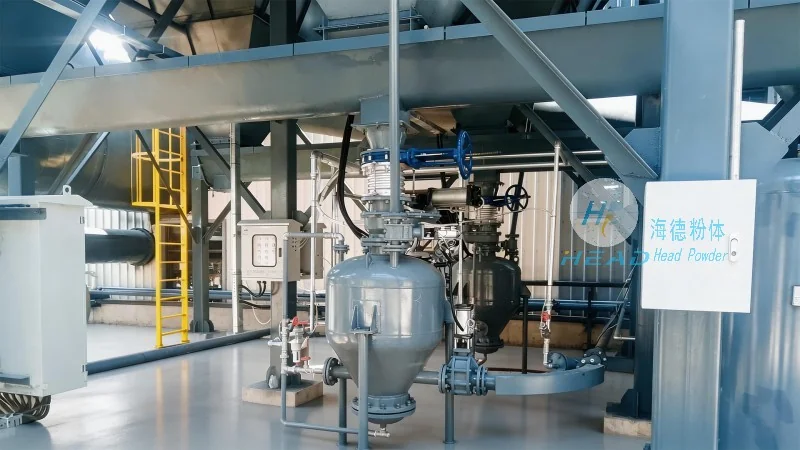
Furthermore, using sensors and monitoring systems can help detect dust leakage in real-time. These technologies can alert operators to any changes in air pressure or particulate levels, allowing for immediate intervention. By integrating monitoring systems into the pneumatic conveying system, facilities can proactively address issues and maintain optimal performance.
Conclusion
Preventing dust leakage in pneumatic conveying systems for coffee powder is a critical aspect of maintaining product quality, worker safety, and operational efficiency. With the expertise of companies like Shandong HeadPowder Engineering Co., Ltd., coffee processing facilities can implement effective strategies to minimize dust leakage through proper system design, regular maintenance, and advanced control measures. By prioritizing dust control, businesses can ensure a clean, safe, and efficient production environment, ultimately enhancing their overall performance and reputation in the coffee industry.




