When it comes to the efficient handling and transportation of polyethylene materials, selecting the appropriate conveying method is crucial for optimizing industrial processes. Polyethylene, a versatile plastic widely used in various applications, requires specialized equipment and techniques to ensure safe and effective movement within manufacturing facilities. This article explores the primary methods used for polyethylene conveying, highlighting the key considerations and technologies employed by industry leaders such as Shandong HeadPowder Engineering Co., Ltd., a company known for its expertise in material handling solutions.
Understanding Polyethylene and Conveying Needs
Polyethylene is a thermoplastic polymer characterized by its flexibility, durability, and resistance to chemicals and moisture. Its applications range from packaging films and containers to industrial components, making it a critical material in many sectors. However, due to its lightweight and sometimes abrasive nature, transporting polyethylene requires careful planning to prevent material degradation, equipment wear, and operational inefficiencies. Effective conveying systems must address challenges like dust generation, material buildup, and the need for gentle handling to maintain product integrity.
Common Polyethylene Conveying Methods
Several methods are commonly employed to move polyethylene materials through production lines. Each method has its advantages and is selected based on factors such as material type, processing environment, and operational requirements. The most prevalent techniques include screw conveyors, belt conveyors, pneumatic conveying systems, and bucket elevators. These systems are designed to handle polyethylene in bulk or as individual pieces, ensuring smooth and continuous material flow.
Screw Conveyors for Polyethylene Handling
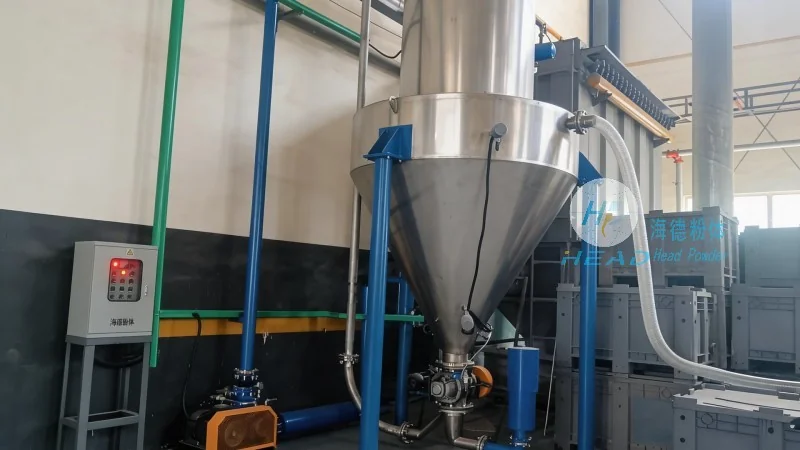
Screw conveyors, also known as auger conveyors, are widely used for polyethylene conveying due to their simplicity and effectiveness. These systems consist of a rotating helical screw within a trough, which moves material along the conveyor path. For polyethylene, screw conveyors are particularly suitable for handling granules, pellets, or powders, as they provide gentle, continuous movement without causing excessive friction or breakage. The design of the screw (e.g., flight type, pitch) can be customized to match the specific characteristics of the polyethylene being transported, ensuring optimal performance. Shandong HeadPowder Engineering Co., Ltd. specializes in manufacturing screw conveyors tailored to the unique needs of polyethylene processing, offering solutions that enhance efficiency and reduce downtime.
Belt Conveyors in Polyethylene Transportation
Belt conveyors represent another essential method for polyethylene conveying, especially in applications involving larger pieces or bulk materials. These systems utilize a continuous belt that moves over rollers or a flat surface, transporting polyethylene from one point to another. Belt conveyors are ideal for high-volume operations and can be configured with various accessories, such as side guides or load zones, to accommodate different material types and processing stages. For polyethylene, the choice of belt material (e.g., rubber or PVC) and the design of the idler system are critical to prevent slippage and ensure smooth operation. Companies like HeadPowder, based in Shandong, China, provide customized belt conveyor solutions that meet the demands of polyethylene manufacturers, ensuring reliable and consistent material movement.
Pneumatic Conveying Systems for Polyethylene
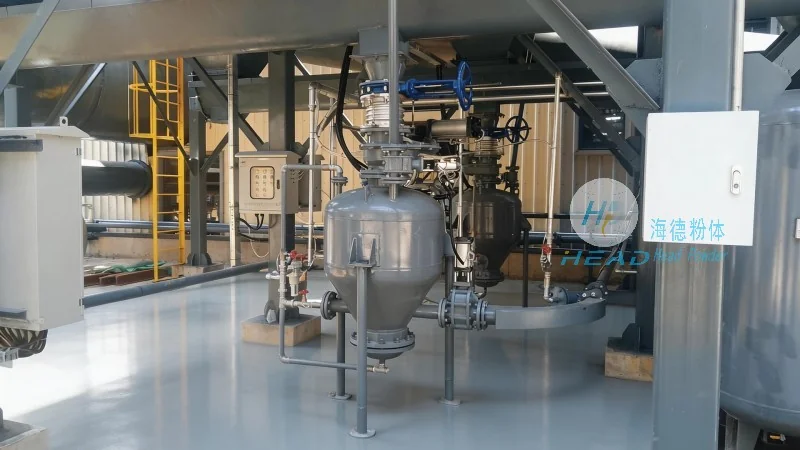
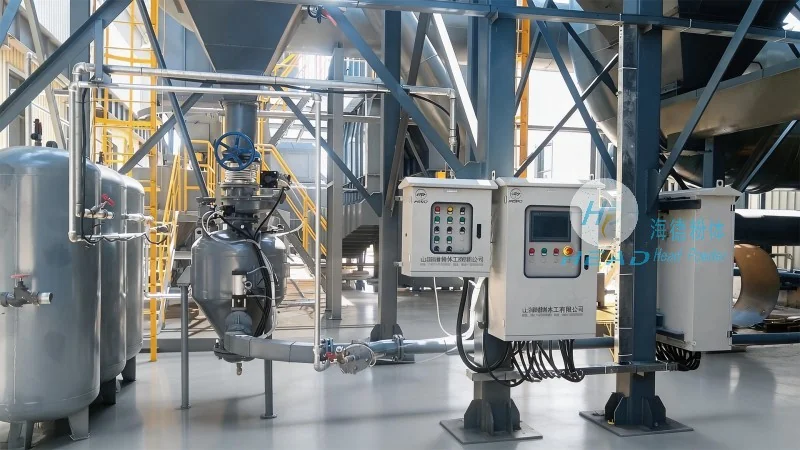
Pneumatic conveying, or air-powered transport, is a method that uses compressed air to move polyethylene particles through a pipeline. This technique is particularly effective for handling fine powders or granules, as it minimizes material contact with equipment and reduces the risk of contamination. Pneumatic systems can be categorized into pressure or vacuum types, depending on the application. For polyethylene, pressure systems are often preferred for short-distance transport, while vacuum systems are suitable for longer distances or when material needs to be drawn from a hopper. The design of the ductwork, including the use of bends and filters, is crucial to maintain system efficiency and prevent blockages. Shandong HeadPowder Engineering Co., Ltd. offers advanced pneumatic conveying solutions that optimize polyethylene transport, ensuring low maintenance and high throughput.
Bucket Elevators for Vertical Polyethylene Conveying
Vertical conveying of polyethylene is often achieved using bucket elevators, which are ideal for moving materials over significant vertical distances. These systems consist of a vertical conveyor with buckets attached to a chain or belt, which lift and transport polyethylene from a lower to an upper level. Bucket elevators are particularly useful in applications where horizontal space is limited or when material needs to be elevated to a higher processing stage. The design of the buckets (e.g., open or closed) and the speed of the elevator can be adjusted to handle different polyethylene types, ensuring gentle handling and preventing material degradation. HeadPowder, with its roots in Shandong, China, provides bucket elevator solutions that are robust and reliable, supporting the vertical movement of polyethylene in various industrial settings.
Key Considerations for Polyethylene Conveying
When selecting a conveying method for polyethylene, several factors must be considered to ensure optimal performance and efficiency. Material properties, such as density, moisture content, and abrasiveness, play a significant role in determining the most suitable system. Additionally, the processing environment, including temperature and humidity, can impact the choice of equipment and materials. Maintenance requirements, operational costs, and safety considerations are also critical factors that influence the decision-making process. Companies like Shandong HeadPowder Engineering Co., Ltd. offer comprehensive consulting services to help clients evaluate their specific needs and select the best conveying solution for their polyethylene handling requirements.
Conclusion
In conclusion, the effective conveying of polyethylene requires careful consideration of the material's characteristics and the operational environment. From screw conveyors to pneumatic systems, each method offers unique advantages and is tailored to specific applications. By leveraging the expertise of industry leaders such as HeadPowder, manufacturers can optimize their polyethylene handling processes, ensuring efficiency, reliability, and product integrity. With its base in Shandong, China, Shandong HeadPowder Engineering Co., Ltd. continues to provide innovative solutions that address the evolving needs of polyethylene processing, supporting the growth and success of its clients in the global market.




