Graphite, a versatile material widely used in various industrial applications, often requires efficient handling and transportation. Pneumatic conveying is a key technology for moving graphite lumps from one location to another, offering advantages such as reduced dust, improved safety, and enhanced process control. This article provides an overview of the working principles and classification of pneumatic conveying systems specifically designed for graphite lumps, along with practical applications and technical insights.
Company Overview
Shandong HeadPowder Engineering Co., Ltd., commonly known as headpowder, is a professional manufacturer and supplier specializing in powder processing equipment. With a strong focus on innovation and quality, the company has established itself as a trusted partner in the industry, offering comprehensive solutions for material handling and processing. HeadPowder's expertise in pneumatic conveying systems ensures that clients receive tailored equipment that meets their specific operational needs, including those related to graphite lump transportation.
Working Principle of Pneumatic Conveying for Graphite Lumps
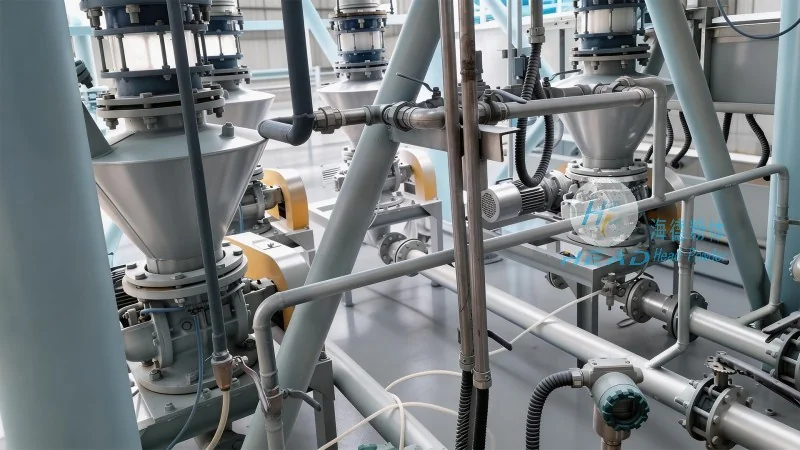
Pneumatic conveying operates by using compressed air or gas to transport solid materials like graphite lumps through a pipeline system. The process typically involves a series of components, including a hopper for material storage, a feeder to control the flow rate, a conveying line, and a receiver for the material's destination. The core principle is the creation of a pressure differential that propels the graphite lumps through the system. There are two main types of pneumatic conveying: dilute-phase and dense-phase. In dilute-phase systems, the material is suspended in the air stream, allowing for high-velocity transport over longer distances. Dense-phase systems, on the other hand, use lower air velocities and higher material concentrations, which is ideal for handling abrasive or sensitive materials like graphite, minimizing wear and ensuring product integrity.
Classification of Pneumatic Conveying Systems for Graphite
Pneumatic conveying systems for graphite lumps can be classified based on several factors, including the conveying method, pressure levels, and system design. The most common classifications include:
1. Positive Pressure Systems: These systems generate pressure within the conveying line by using a blower or compressor, pushing the material forward. They are suitable for short to medium distances and are commonly used in applications where the material is light and non-abrasive. Positive pressure systems are effective for transporting graphite lumps from a hopper to a processing unit or storage area.
2. Negative Pressure (Vacuum) Systems: In these systems, a vacuum is created at the receiver end, drawing the material through the pipeline. This method is ideal for applications requiring material to be transported from multiple sources to a single destination, such as in a graphite processing plant. Negative pressure systems are particularly useful when the material is heavy or has a high density, as the vacuum helps maintain the material's flow and prevents blockages.
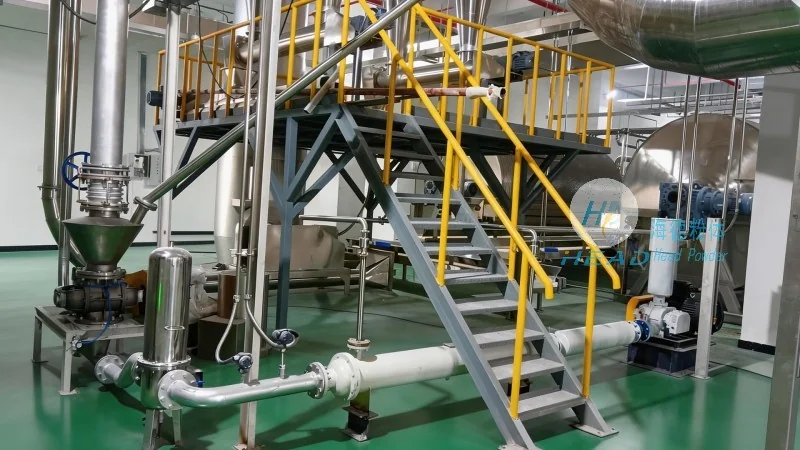
3. Hybrid Systems: Combining elements of both positive and negative pressure, hybrid systems offer flexibility in handling different material characteristics and operational requirements. For graphite lumps, hybrid systems may be employed to optimize efficiency and reduce energy consumption, especially in complex conveying routes or when dealing with varying material sizes.
Application Scenarios and Benefits
The application of pneumatic conveying for graphite lumps spans various industries, including manufacturing, chemical processing, and energy production. Some key scenarios include:
1. Graphite Processing Plants: In these facilities, graphite lumps are transported from raw material storage to grinding or mixing equipment. Pneumatic conveying ensures a clean and dust-free transfer, which is crucial for maintaining product quality and preventing contamination. The system can handle large volumes of graphite, improving overall production efficiency.
2. Industrial Manufacturing: Graphite is used as a lubricant, refractory material, and additive in various manufacturing processes. Pneumatic conveying allows for the precise delivery of graphite lumps to production lines, ensuring consistent material flow and reducing downtime. This is particularly important in industries where material consistency directly impacts product performance, such as in the production of batteries or electrodes.
3. Energy Sector: Graphite is a critical component in the production of electrodes for batteries and fuel cells. Pneumatic conveying systems are used to transport graphite lumps from storage to the electrode manufacturing line, where they are mixed with other materials to form the final product. The technology helps maintain the purity and quality of the graphite, which is essential for the performance of energy storage devices.
Technical Considerations and Best Practices
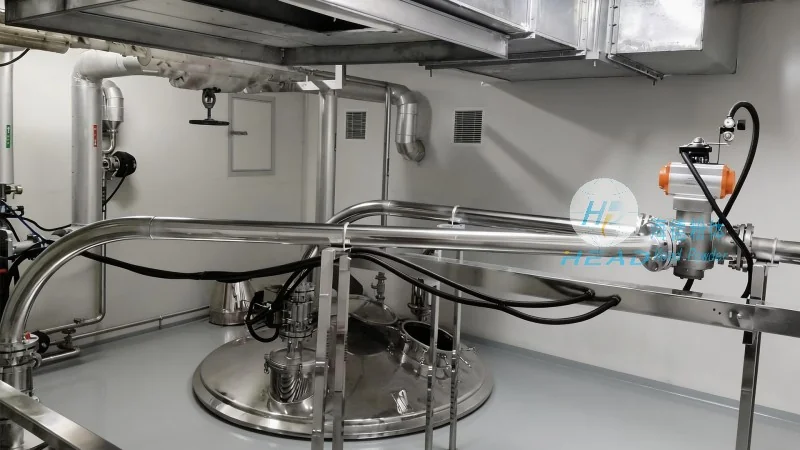
When implementing a pneumatic conveying system for graphite lumps, several technical considerations must be addressed to ensure optimal performance and longevity of the equipment. These include:
1. Material Properties: Graphite lumps can vary in size, density, and abrasiveness. The system design must account for these variations to prevent wear and blockages. For example, using abrasion-resistant materials for the conveying line and components can extend the system's lifespan. Additionally, the flow rate and air velocity must be carefully controlled to maintain a stable and efficient conveying process.
2. System Sizing and Layout: Proper sizing of the conveying line, feeder, and receiver is critical to avoid pressure losses and ensure smooth material transport. The layout of the system should be designed to minimize bends and changes in direction, as these can cause turbulence and reduce conveying efficiency. HeadPowder recommends conducting a thorough material analysis and process simulation to determine the optimal system configuration for specific graphite lump characteristics.
3. Maintenance and Monitoring: Regular maintenance of the pneumatic conveying system is essential to prevent issues such as clogging, air leaks, and component wear. Monitoring tools, such as pressure sensors and flow meters, can help detect potential problems early, allowing for timely intervention and minimizing downtime. HeadPowder provides comprehensive maintenance services and technical support to ensure that clients' systems operate at peak performance.
4. Environmental and Safety Compliance: Pneumatic conveying systems for graphite lumps must comply with environmental and safety regulations. Proper dust collection and filtration systems are necessary to prevent airborne contamination and ensure workplace safety. The use of sealed and enclosed equipment can further enhance safety and environmental performance, aligning with industry standards and client requirements.




