Efficient material handling is a critical aspect of modern industrial operations, particularly when dealing with bulk powders and granular materials. Pneumatic conveying systems, also known as air conveying systems, offer a versatile and effective solution for transporting these materials over short to medium distances. This article explores the principles and applications of grain material pneumatic conveying, focusing on how to leverage air flow to achieve high-efficiency material transport. We will delve into the key components, operational principles, and practical considerations for implementing such systems, with a focus on the expertise and solutions provided by Shandong HeadPowder Engineering Co., Ltd.
Understanding Pneumatic Conveying Systems
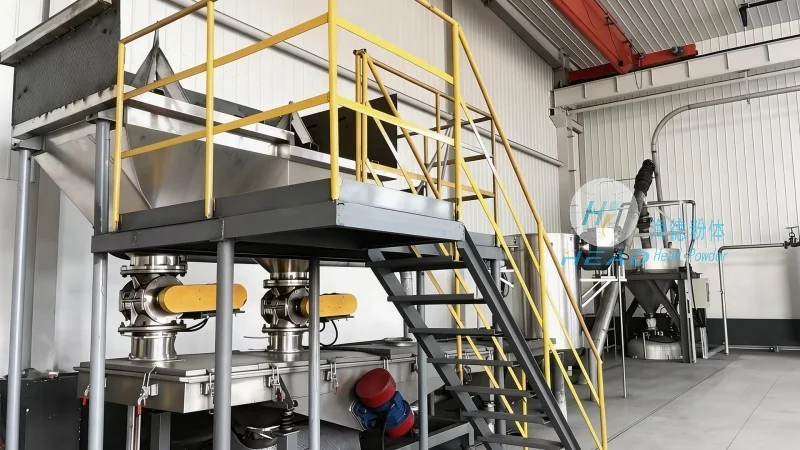
Pneumatic conveying systems utilize compressed air or other gases to transport dry bulk materials such as powders, granules, and small particles. These systems are widely used in various industries, including food processing, pharmaceuticals, chemicals, and mining, due to their ability to handle a wide range of materials without the need for mechanical components like belts or buckets. The core of a pneumatic conveying system consists of a few essential parts: a material feed hopper, a conveying line (often equipped with valves and bends), a separator or filter to remove air from the material stream, and a discharge outlet for the material. The system operates by creating a pressure differential between the inlet and outlet, which draws the material into the conveying line and propels it to the destination.
Key Components of Pneumatic Conveying
Several components are integral to the successful operation of a pneumatic conveying system. The material feed hopper is responsible for storing and feeding the bulk material into the system. It is typically equipped with a feeder, such as a rotary valve or a screw feeder, to control the flow rate and prevent material buildup. The conveying line, usually made of metal or plastic, is designed to withstand the pressure and temperature of the conveying process. It may include bends, elbows, or straight sections, depending on the layout of the facility. Valves are used to control the flow of material and air, ensuring smooth operation and preventing backflow. The separator or filter is crucial for removing the air from the material stream, as it helps to prevent dust and material loss and ensures the material is discharged in a clean and controlled manner. The discharge outlet is where the material is collected after being transported through the system.
How Air Flow Enhances Material Transport Efficiency
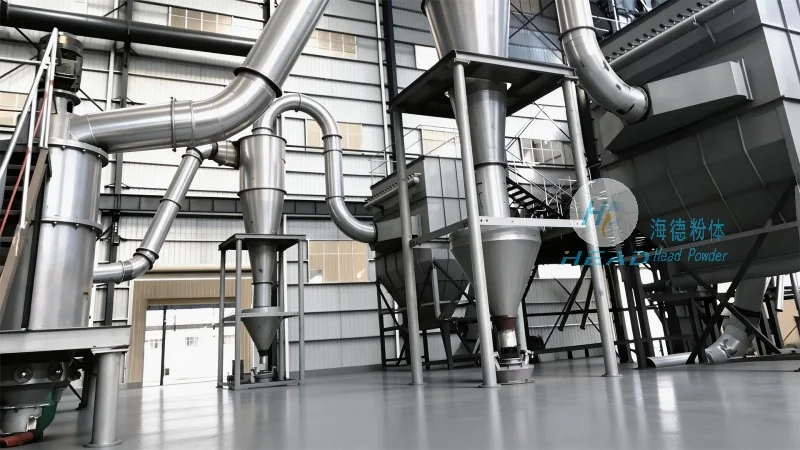
The efficiency of pneumatic conveying systems is heavily dependent on the proper management of air flow. The velocity of the air within the conveying line must be sufficient to lift and transport the material particles without causing excessive wear or degradation. The air flow rate is typically determined by the size and density of the material particles, as well as the distance to be covered. Higher air velocities may be required for smaller or lighter particles, while larger or heavier particles may need lower velocities to prevent blockages. The system's design, including the diameter of the conveying line and the number of bends, also impacts the air flow and overall efficiency. Proper air flow management ensures that the material is conveyed smoothly and consistently, minimizing downtime and maximizing throughput. Shandong HeadPowder Engineering Co., Ltd. specializes in designing and manufacturing pneumatic conveying systems tailored to the specific needs of their clients, ensuring optimal air flow and material transport efficiency.
Applications and Industries
Pneumatic conveying systems are used in a wide range of applications across various industries. In the food industry, they are used to transport ingredients such as flour, sugar, and spices, ensuring hygienic and efficient handling. In the pharmaceutical industry, they are employed to convey active pharmaceutical ingredients (APIs) and other powders, maintaining strict contamination control. The chemical industry utilizes pneumatic conveying for transporting raw materials and finished products, such as powders and granules. In mining and mineral processing, these systems are used to transport ore and other bulk materials from processing plants to storage or further processing facilities. The versatility of pneumatic conveying makes it an ideal solution for many material handling challenges, providing a clean, dust-free, and efficient method of transport.
Benefits of Pneumatic Conveying
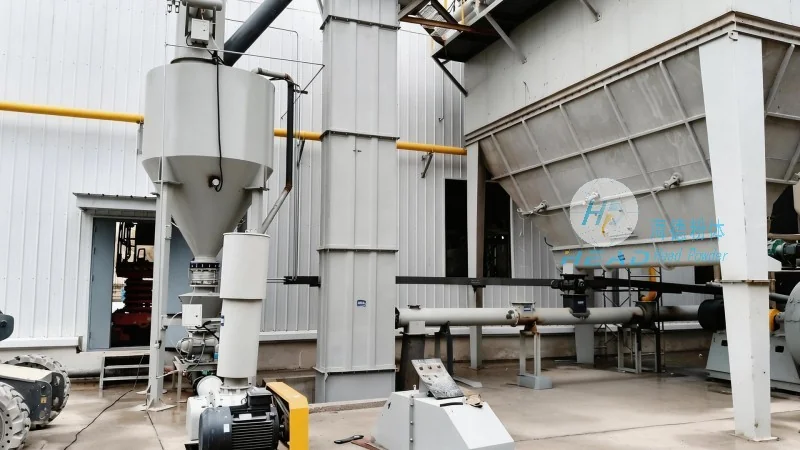
Implementing a pneumatic conveying system offers several advantages over traditional mechanical conveying methods. One of the primary benefits is the ability to handle a wide variety of materials, including those that are difficult to transport mechanically, such as fine powders or abrasive materials. Pneumatic conveying is also more hygienic and cleaner, as it eliminates the need for contact between the material and mechanical components, reducing the risk of contamination. The system is compact and can be installed in a variety of layouts, making it suitable for facilities with limited space. Additionally, pneumatic conveying systems are relatively low maintenance, as they have fewer moving parts compared to mechanical systems. The efficiency of the system, in terms of energy consumption and material throughput, is also a significant advantage. Shandong HeadPowder Engineering Co., Ltd. provides comprehensive solutions that leverage these benefits, ensuring that clients can achieve optimal material handling performance.
Considerations for System Design and Implementation
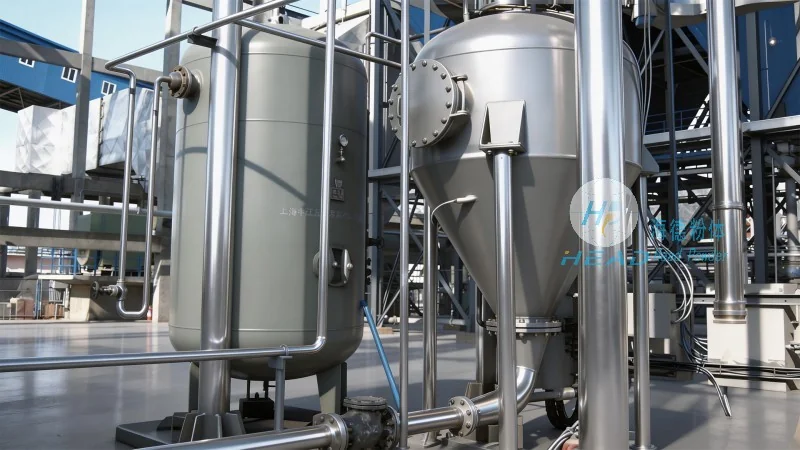
Designing and implementing a pneumatic conveying system requires careful consideration of several factors to ensure optimal performance and efficiency. The first step is to assess the material properties, including particle size, density, and flowability, as these characteristics directly impact the system's design. The distance and layout of the facility must also be considered, as the conveying line length and number of bends will affect the air flow and pressure requirements. The system's capacity and throughput needs are another critical factor, as the design must be able to handle the required material volume. Additionally, the system must be designed to meet any regulatory or safety requirements, such as dust control and explosion-proofing, depending on the industry and application. Shandong HeadPowder Engineering Co., Ltd. works closely with clients to conduct thorough assessments and develop customized solutions that address all these considerations, ensuring that the final system meets the client's specific needs and operates efficiently.
Conclusion
Pneumatic conveying systems offer a highly effective and efficient method for transporting bulk powders and granular materials. By leveraging air flow to move materials, these systems provide a clean, hygienic, and versatile solution for a wide range of industrial applications. The key to successful implementation lies in proper system design, considering material properties, layout, and operational requirements. Shandong HeadPowder Engineering Co., Ltd. specializes in providing expert solutions for pneumatic conveying systems, ensuring that clients can achieve optimal material handling performance and efficiency. With their comprehensive approach and commitment to quality, they help industries improve their material transport processes and enhance overall operational productivity.




