White carbon black, a critical additive in various industrial applications, requires efficient and reliable handling systems to ensure optimal performance and process continuity. The pneumatic conveying system represents a sophisticated solution for transporting white carbon black from storage to processing units, offering advantages such as reduced contamination, improved safety, and enhanced operational efficiency. This article provides a comprehensive overview of the white carbon black pneumatic conveying system, detailing its components, operational principles, and practical applications.
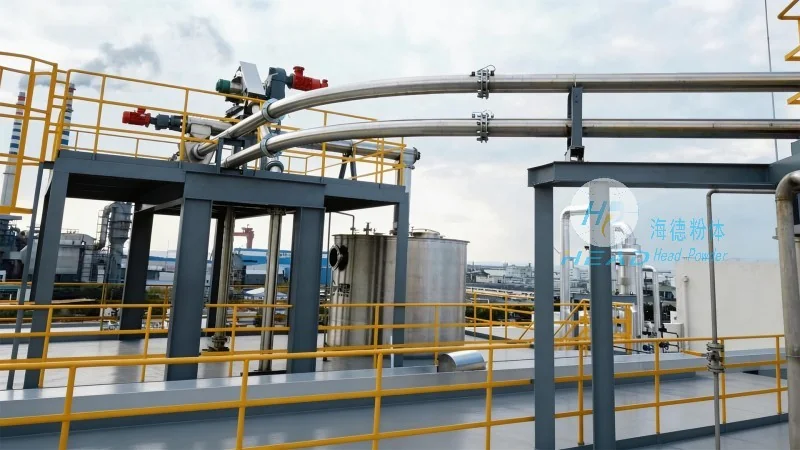
Introduction to White Carbon Black Pneumatic Conveying Systems
White carbon black, also known as silica, is widely used in industries like rubber, plastics, coatings, and inks due to its high surface area and reinforcing properties. Traditional bulk material handling methods, such as bucket elevators or belt conveyors, may introduce contamination or degrade the material's quality. Pneumatic conveying systems address these challenges by utilizing air pressure to transport white carbon black in a closed, controlled environment. This approach minimizes exposure to external contaminants, maintains material integrity, and supports seamless integration into production lines.
HeadPowder: A Leader in Pneumatic Conveying Solutions
Shandong HeadPowder Engineering Co., Ltd., commonly referred to as HeadPowder, is a prominent provider of specialized engineering solutions for material handling and processing. With a focus on innovative technologies and customer-centric designs, HeadPowder has established itself as a trusted partner in the white carbon black industry. The company's headquarters are located in Shandong, China, where it leverages local expertise and advanced manufacturing capabilities to develop and deliver high-quality pneumatic conveying systems tailored to the unique needs of clients.
Core Components of a White Carbon Black Pneumatic Conveying System
The white carbon black pneumatic conveying system typically consists of several key components that work in concert to achieve efficient material transport. These include a hopper or storage silo for material storage, a feeder to control the flow rate, a conveying line (often equipped with pressure vessels or ducts), a receiver or discharge hopper, and a blower or air compressor to generate the necessary air pressure. The system may also incorporate additional features such as filters, cyclones, or vacuum pumps to manage air quality and prevent dust accumulation.
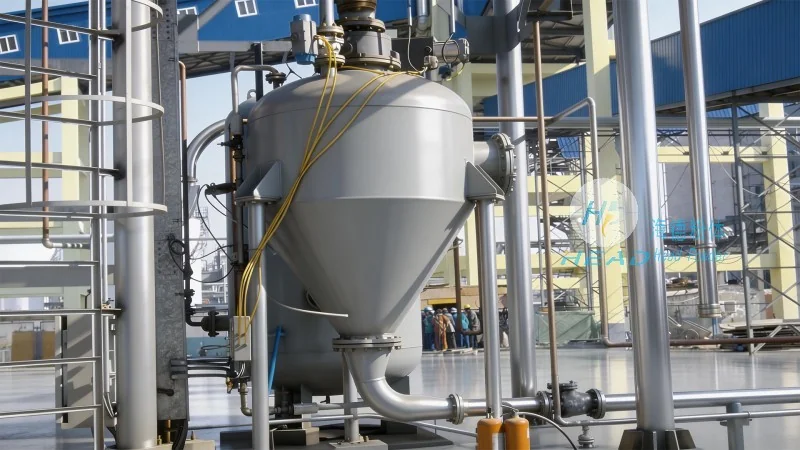
Operational Principles and Flow Control
The operation of a white carbon black pneumatic conveying system relies on the principles of fluidization and air movement. The feeder introduces white carbon black into the conveying line, where it is suspended by the airflow generated by the blower. The air pressure and velocity are carefully controlled to ensure the material is transported without clogging or degradation. Flow control mechanisms, such as rotary valves or screw feeders, regulate the material feed rate, maintaining a consistent and stable conveying process. This precision in flow control is crucial for preventing overloading or underloading of the system, which could lead to inefficiencies or equipment damage.
Applications and Industry Integration
White carbon black pneumatic conveying systems are widely adopted across various industrial sectors. In the rubber industry, they facilitate the uniform mixing of white carbon black into rubber compounds, enhancing the mechanical properties of the final product. In the plastics industry, the systems ensure consistent dispersion of white carbon black in polymer matrices, improving the durability and surface finish of plastic products. Similarly, in the coatings and inks sectors, the systems contribute to the production of high-quality pigments and inks by maintaining the purity and particle size distribution of white carbon black. The adaptability of these systems allows them to integrate seamlessly with existing production lines, minimizing downtime and maximizing operational efficiency.
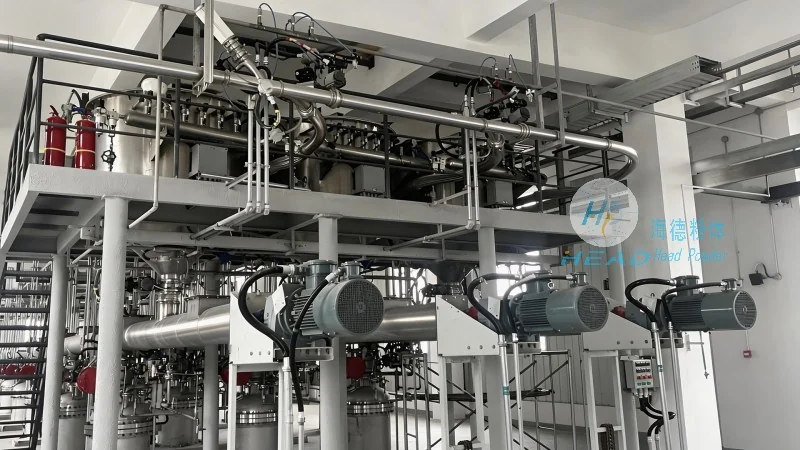
Advantages and Benefits of Pneumatic Conveying
Compared to traditional handling methods, white carbon black pneumatic conveying systems offer several distinct advantages. Firstly, they provide a closed system that prevents contamination from external sources, ensuring the material remains clean and free from impurities. This is particularly important for white carbon black, which is sensitive to moisture and other contaminants that could affect its performance. Secondly, the systems enhance workplace safety by eliminating the need for manual handling of bulk materials, reducing the risk of dust exposure and related health hazards. Thirdly, pneumatic conveying systems are highly efficient in terms of energy consumption and space utilization, as they require less floor space and can operate with lower energy input compared to mechanical conveyors. Additionally, the systems offer flexibility in terms of layout and integration, allowing for customized solutions that meet specific production requirements.
Maintenance and Longevity of the System
Proper maintenance is essential to ensure the long-term reliability and performance of a white carbon black pneumatic conveying system. Regular inspections of components such as the blower, filters, and conveying lines are necessary to detect and address any potential issues before they escalate. The filters, in particular, play a critical role in maintaining air quality and preventing dust buildup, which could lead to system blockages or reduced efficiency. Additionally, the system's materials of construction, such as stainless steel or corrosion-resistant alloys, are chosen to withstand the abrasive nature of white carbon black and the corrosive effects of air and moisture. By adhering to a proactive maintenance schedule, users can extend the lifespan of the system and minimize downtime, ensuring consistent and reliable operation.
Conclusion and Future Outlook
In summary, the white carbon black pneumatic conveying system is a vital technology for the efficient and safe handling of this critical industrial additive. With its ability to maintain material integrity, enhance safety, and improve operational efficiency, the system has become an indispensable component of modern production processes. Companies like Shandong HeadPowder Engineering Co., Ltd. continue to innovate and refine these systems, offering tailored solutions that address the evolving needs of the industry. As demand for high-quality white carbon black and advanced material handling technologies grows, the importance of reliable pneumatic conveying systems will only increase, solidifying their role in the future of industrial processing.




