

How to Transport Dry Mortar?
Dry mortar, a critical component in construction and building projects, requires efficient and reliable transport methods to ensure consistent quality and timely delivery. The choice of transport method significantly impacts the performance and longevity of the final construction. This article explores the primary methods used for transporting dry mortar, focusing on the technical aspects and practical applications, with insights from Shandong HeadPowder Engineering Co., Ltd., a leading provider of dry mortar transport solutions.
Key Considerations for Choosing a Transport Method
Before selecting a transport method, several factors must be considered. These include the type of dry mortar (e.g., cement-based, lime-based, or polymer-modified), the distance and elevation changes, the volume of material to be transported, and the available infrastructure. Each method has its advantages and limitations, making it essential to match the transport solution with the specific project requirements.
Pneumatic Conveying Systems
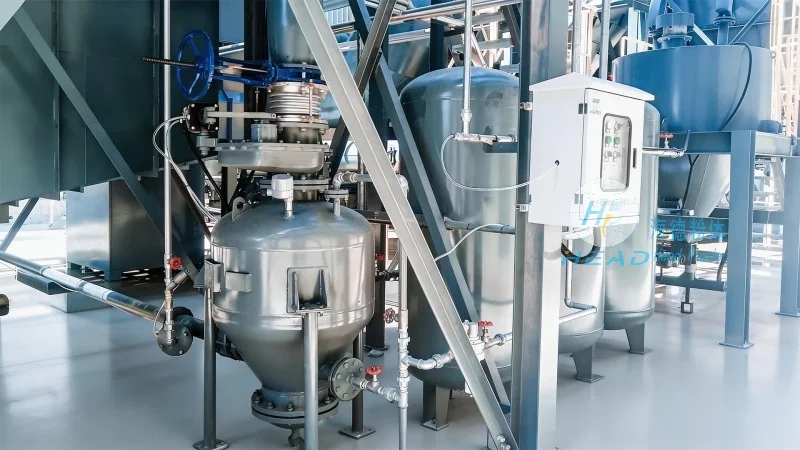
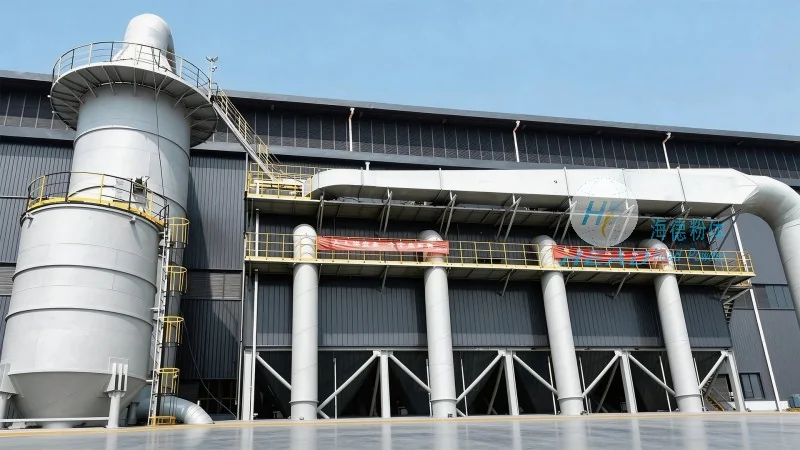
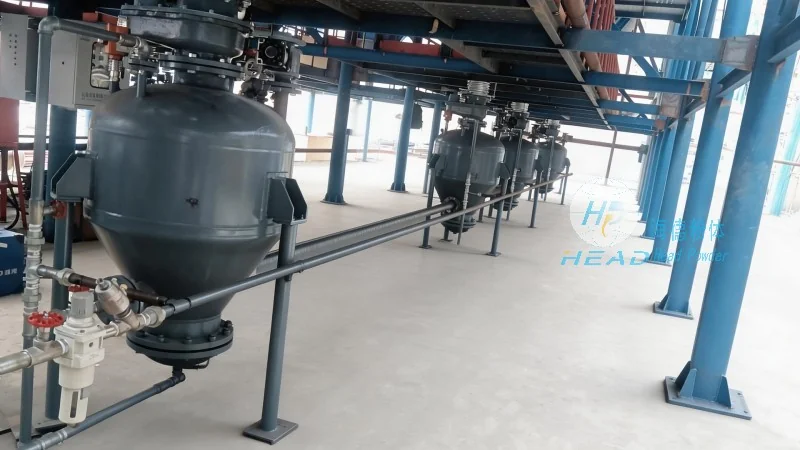
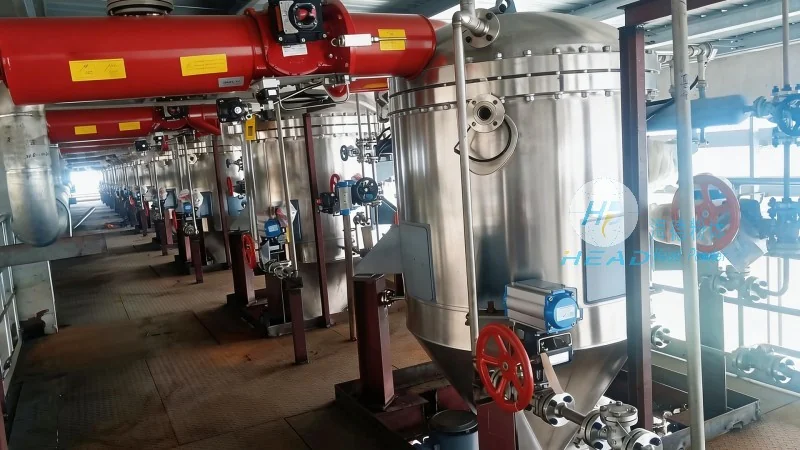
Pneumatic conveying, also known as air-based transport, is a widely used method for dry mortar. This system uses compressed air to move dry powder through a pipeline. It is particularly effective for transporting fine powders over moderate distances. The process involves a hopper where the dry mortar is loaded, a blower that generates the air pressure, and a pipeline that delivers the material to the destination. Pneumatic conveying offers advantages such as low maintenance, minimal product contamination, and the ability to handle various dry mortar types. However, it may require higher energy consumption and careful design to prevent material buildup or blockages in the pipeline.
Screw Conveyors and Auger Systems
Screw conveyors, or auger systems, are another common method for transporting dry mortar. These systems use a rotating screw or auger to move material along a trough or pipe. Screw conveyors are suitable for horizontal or slightly inclined transport and are often used in batching plants and on-site mixing facilities. They provide a continuous and controlled flow of dry mortar, ensuring consistent delivery to mixing equipment. The design of screw conveyors can be customized to handle different dry mortar compositions, including those with additives or aggregates. However, they may be less efficient for vertical transport and can experience wear from abrasive materials over time.