Shandong HeadPowder Engineering Co., Ltd., commonly known as headpowder, specializes in the design, manufacturing, and installation of advanced powder conveying systems. The company is headquartered in Shandong, China, and has built a strong reputation for delivering reliable and efficient solutions for carbon black powder handling. This article provides an in-depth look at the operation process and working principle of a carbon black powder conveying line, highlighting the key components and mechanisms involved in its smooth and effective operation.
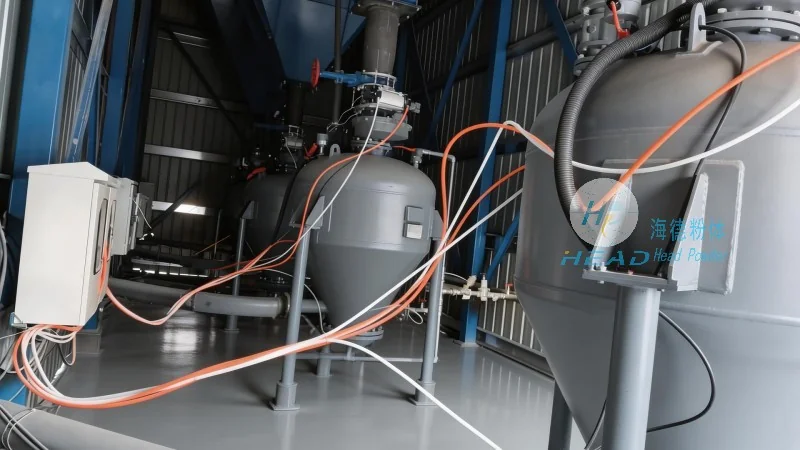
At the core of any carbon black powder conveying line is a system engineered to transport carbon black powder from its source to the desired destination, such as storage silos, processing units, or packaging areas. The design of these systems is critical to ensure minimal product degradation, high efficiency, and compliance with industrial safety standards. The following sections will detail the step-by-step operation process and the underlying working principles that enable the seamless transfer of carbon black powder.
Overview of Carbon Black Powder Conveying Line Components
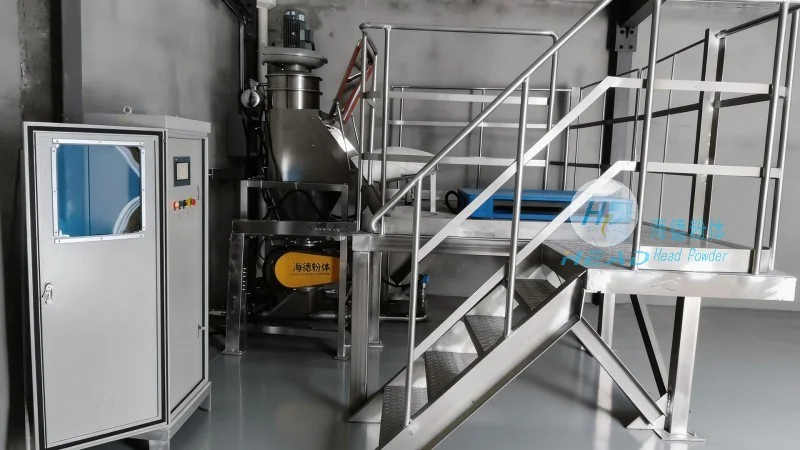
The carbon black powder conveying line typically consists of several key components, each playing a vital role in the overall system. These components include a feeding hopper, a conveyor mechanism (such as a screw conveyor, pneumatic conveyor, or belt conveyor), a control system, and a receiving hopper or silo. The feeding hopper is responsible for storing and feeding the carbon black powder into the conveyor system, ensuring a consistent flow rate. The conveyor mechanism then transports the powder through the system, while the control system monitors and adjusts the operation to maintain optimal performance. The receiving hopper collects the powder at the end of the line, ready for further processing or storage.
Step-by-Step Operation Process of the Carbon Black Powder Conveying Line
The operation of a carbon black powder conveying line follows a systematic sequence of steps to ensure efficient and safe powder transfer. The process begins with the loading of carbon black powder into the feeding hopper. The powder is then released into the conveyor mechanism, which moves it through the system. The control system continuously monitors the flow rate, pressure, and other parameters to prevent blockages or overloading. The conveyor mechanism may use different technologies, such as mechanical screw conveyors for bulk handling or pneumatic systems for fine powder transport, depending on the specific requirements of the application. The receiving hopper collects the powder at the end of the line, completing the transfer process.
Working Principle of the Carbon Black Powder Conveying Line
The working principle of a carbon black powder conveying line is based on the physical properties of the powder and the mechanical or pneumatic forces applied to move it. For mechanical conveyors, the principle involves using rotating screws or belts to push the powder forward, leveraging the friction between the powder particles and the conveyor surface. The screw conveyor, for example, has a helical screw that rotates inside a cylindrical tube, creating a continuous flow of powder as it moves from the feeding end to the discharge end. The speed of the screw and the angle of the helix are carefully designed to maintain a stable flow without causing excessive pressure or degradation of the powder.
For pneumatic conveyors, the working principle relies on the use of air pressure to transport the powder. The system uses a blower or compressor to generate a flow of air, which is then mixed with the carbon black powder in a hopper or feeder. The air-powder mixture is then carried through a pipeline to the receiving hopper. The velocity of the air and the size of the particles determine the efficiency of the transport. Pneumatic systems are particularly effective for fine powders and can handle longer distances and multiple transfer points. The control system adjusts the air pressure and flow rate to optimize the conveying process and prevent dust generation or particle segregation.
Key Factors Influencing the Performance of Carbon Black Powder Conveying Lines
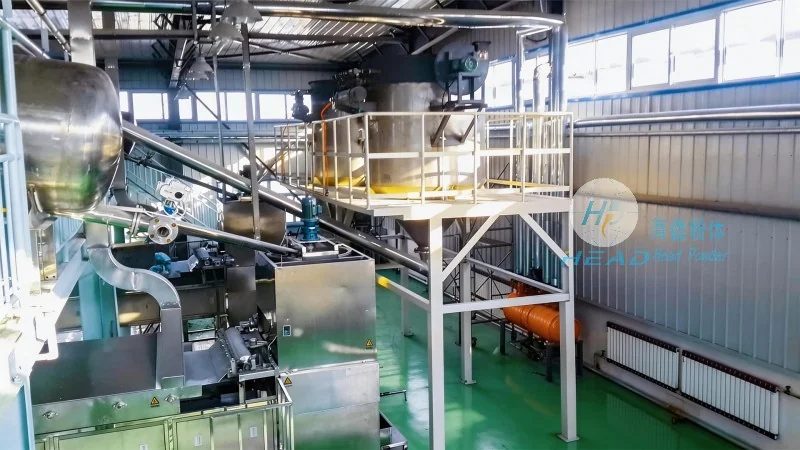
The performance of a carbon black powder conveying line is influenced by several factors, including the particle size and moisture content of the powder, the design of the conveyor system, and the operating conditions. Carbon black powder is typically fine and can be prone to dust generation, which requires proper sealing and filtration in the system. The moisture content of the powder can affect its flowability and may require drying or conditioning before transport. The design of the conveyor, such as the type of screw or the diameter of the pipeline, must be matched to the characteristics of the powder to ensure efficient transfer. Additionally, the operating speed and pressure must be optimized to prevent blockages, ensure consistent flow, and maintain product quality.
Conclusion
Carbon black powder conveying lines are essential components in industrial processes that handle carbon black powder. The operation process involves a series of steps from loading to receiving, with each component working in harmony to ensure efficient and safe transfer. The working principle, whether mechanical or pneumatic, is tailored to the specific properties of the powder and the requirements of the application. By understanding the operation process and working principles, users can optimize the performance of their conveying systems, minimize downtime, and ensure the quality of the carbon black powder. Shandong HeadPowder Engineering Co., Ltd. continues to innovate in powder handling technology, providing reliable solutions for the carbon black industry.




