For industrial applications, the efficient and safe transportation of sodium dithionite is crucial to maintaining production efficiency and ensuring product integrity. As a key chemical used in various processes, understanding the appropriate methods for moving this material is essential for businesses operating in sectors such as textile, pulp and paper, and chemical manufacturing. This article explores the common transportation methods for sodium dithionite, highlighting factors that influence the selection of the most suitable approach.
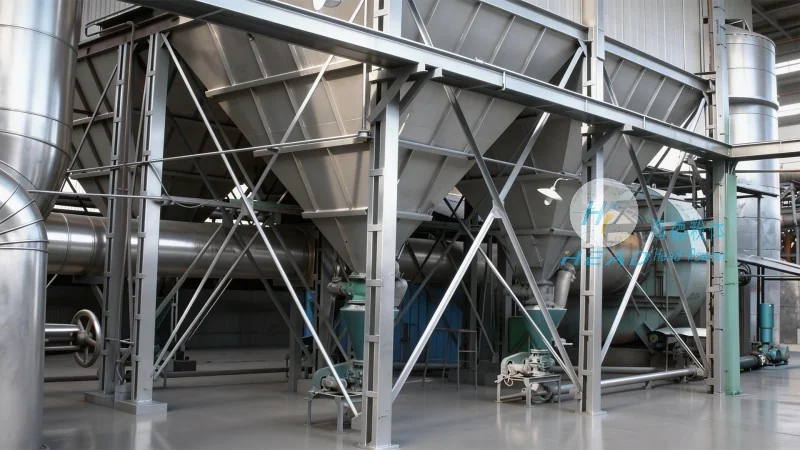
Overview of Sodium Dithionite and Its Transportation Importance
Sodium dithionite, also known as sodium hydrosulfite, is a white crystalline powder widely used as a reducing agent and bleaching agent in industrial processes. Its high reactivity and sensitivity to moisture and air make its handling and transportation require careful consideration. The choice of transportation method not only affects operational costs but also plays a critical role in preserving the chemical's effectiveness and preventing safety hazards. In this context, companies must evaluate factors like material properties, destination distance, and regulatory requirements to determine the optimal transport solution.
Common Transportation Methods for Sodium Dithionite
Several methods are commonly employed for transporting sodium dithionite, each with its own advantages and limitations. The selection of a method depends on the specific needs of the user, including the volume of the shipment, the distance to the destination, and the available infrastructure. The primary transportation options include bulk shipping via trucks or rail, containerized transport, and specialized handling for smaller quantities.
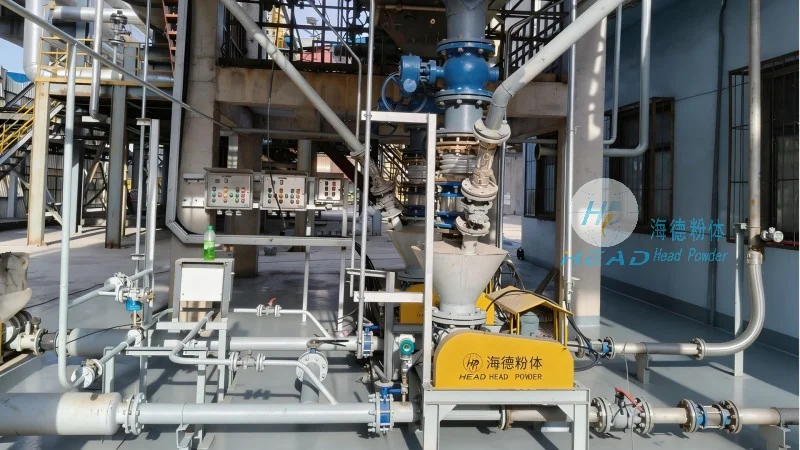
Bulk Truck Transportation
Bulk truck transportation is a widely used method for moving sodium dithionite, especially for shorter distances and smaller to medium-sized shipments. Trucks equipped with specialized containers or bulk tanks are used to transport the material in its powder form. To ensure safety and prevent moisture absorption, the containers are typically lined with materials like polyethylene or stainless steel to protect the product from the environment. This method allows for direct delivery to the customer's facility, reducing handling steps and minimizing the risk of contamination. However, it may be less cost-effective for long-distance or large-scale shipments due to fuel costs and potential regulatory restrictions on road transport of hazardous materials.
Railway Transportation
For larger volumes and longer distances, railway transportation offers a more economical solution. Specialized railcars, often equipped with bulk loading systems, are used to transport sodium dithionite in bulk. This method is particularly advantageous for companies located near railway lines, as it can significantly reduce transportation costs compared to trucking. Rail transport also allows for the consolidation of multiple shipments, making it efficient for bulk chemical distribution. Like trucking, rail transport requires compliance with safety regulations and proper labeling of the cargo to ensure safe handling during transit.
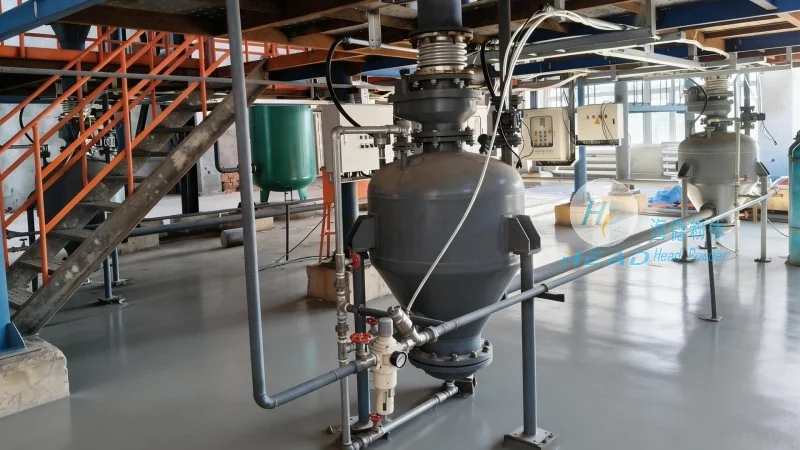
Containerized Transport
Containerized transport is suitable for both small and large shipments, providing flexibility and protection for the product. Standard shipping containers or specialized containers designed for chemical transport can be used to move sodium dithionite. These containers are sealed and often equipped with ventilation systems to manage moisture and air exposure. Containerized transport is ideal for international shipments or when the destination is not easily accessible by road. It offers the advantage of being reusable and can be easily transferred between different modes of transport, such as from a truck to a ship. However, it may involve additional handling costs and longer transit times compared to direct truck delivery.
Specialized Handling for Smaller Quantities
For smaller quantities or when direct delivery is required, specialized handling methods are employed. This may include using sealed bags or drums that are designed to protect the sodium dithionite from moisture and air. These containers are typically labeled with hazard information and are handled by trained personnel to ensure safety. Smaller shipments may also be transported via courier services, though this is generally limited to very low volumes and short distances. Specialized handling is essential for maintaining the quality of the product and preventing degradation during transport.
Factors Influencing the Choice of Transportation Method
The selection of the most appropriate transportation method for sodium dithionite is influenced by several key factors. The first is the volume of the shipment; bulk methods are more cost-effective for large quantities, while containerized or specialized handling is better for smaller amounts. The distance to the destination is another critical factor; for short distances, trucking may be preferred, while for long distances, rail or containerized transport is more economical. Regulatory requirements also play a significant role, as different regions have specific rules regarding the transport of hazardous chemicals. Additionally, the availability of infrastructure, such as railway lines or specialized containers, can impact the feasibility of certain transport options. Companies must also consider the need for temperature control, as sodium dithionite can be sensitive to extreme temperatures, which may require additional measures during transport.
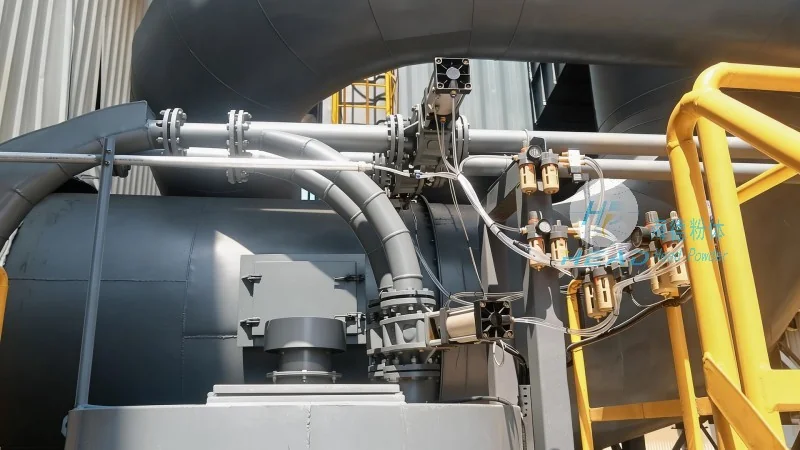
Ensuring Safety and Compliance During Transportation
Regardless of the transportation method chosen, safety and compliance are paramount when moving sodium dithionite. The chemical is classified as a hazardous material due to its reactivity and potential to cause skin or eye irritation. Proper labeling, packaging, and handling procedures are required to prevent accidents and ensure the safety of personnel involved in the transport process. Companies must adhere to local and international regulations, such as those set by the International Maritime Organization (IMO) or the U.S. Department of Transportation (DOT), to avoid penalties and ensure smooth transit. Regular inspections of containers and equipment are also necessary to identify any damage or wear that could compromise the integrity of the shipment. By prioritizing safety and compliance, businesses can minimize risks and ensure the reliable delivery of sodium dithionite to their customers.
Conclusion
In conclusion, the transportation of sodium dithionite requires careful consideration of various factors to ensure efficiency, safety, and product integrity. Whether using bulk trucking, railway transport, containerized methods, or specialized handling for smaller quantities, the choice of method depends on the specific needs of the user. By evaluating volume, distance, regulatory requirements, and infrastructure availability, companies can select the most suitable transportation approach. At Shandong HeadPowder Engineering Co., Ltd., we understand the importance of reliable and safe transportation of sodium dithionite and offer comprehensive solutions tailored to our clients' needs. Our expertise in handling and transporting this critical chemical ensures that our customers receive high-quality products delivered efficiently and safely.




