For manufacturers and processors in the malt industry, efficient and reliable material handling is crucial to maintaining production efficiency and product quality. The malt powder pneumatic conveying equipment developed by Shandong HeadPowder Engineering Co., Ltd. (hereinafter referred to as HeadPowder) provides a professional solution for the transportation of malt powders, integrating advanced pneumatic conveying technology with practical application scenarios. This article will introduce the working principle of the equipment and its characteristic working scenes, helping users better understand the application value and technical advantages of the equipment.
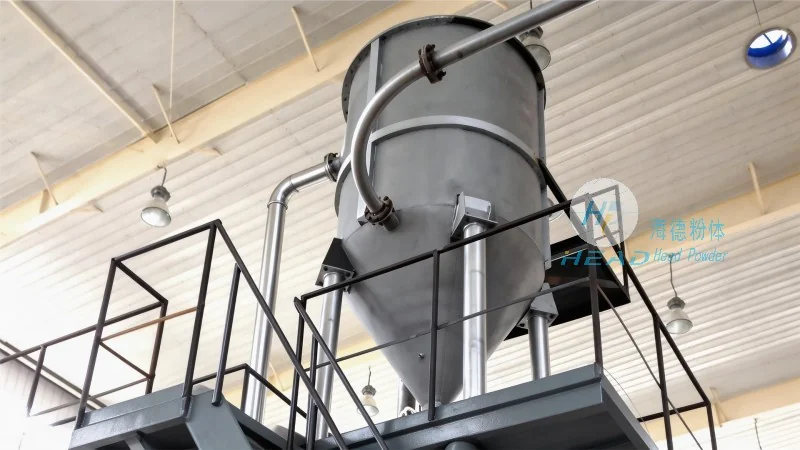
Working Principle of Malt Powder Pneumatic Conveying Equipment
The malt powder pneumatic conveying equipment utilizes the principle of air flow to transport dry powders such as malt powder. The core components include a feeding system, a conveying pipeline, a pressure or vacuum system, and a dust collection system. The working process generally involves the following steps: first, the malt powder is fed into the equipment through the feeding hopper; then, the air is introduced into the pipeline under the action of the pressure or vacuum system, forming a flow of air and powder mixture; finally, the mixture is transported to the destination through the pipeline, and the powder is separated from the air by the dust collection system, with the air being recycled or discharged. The equipment can be designed as pressure conveying or vacuum conveying according to different production needs, and the selection of different conveying modes is based on factors such as the distance of the conveying line, the particle size of the powder, and the required conveying capacity. The pressure conveying system is suitable for long-distance or high-concentration conveying, while the vacuum conveying system is suitable for short-distance or low-concentration conveying. The design of the equipment also considers the characteristics of malt powder, such as its hygroscopicity and particle size distribution, to ensure stable conveying and avoid powder agglomeration or blockage in the pipeline.
Characteristic Working Scene Applications
HeadPowder's malt powder pneumatic conveying equipment is widely used in various working scenes of the malt processing industry. The following are some typical application scenarios:
1. Malt storage and transfer in malt production plants. In large-scale malt production lines, the equipment can efficiently transport malt powders from storage silos to processing lines, ensuring smooth production flow and reducing manual handling risks. The equipment's dust-free conveying feature also helps maintain a clean production environment, which is crucial for maintaining the quality of malt products.
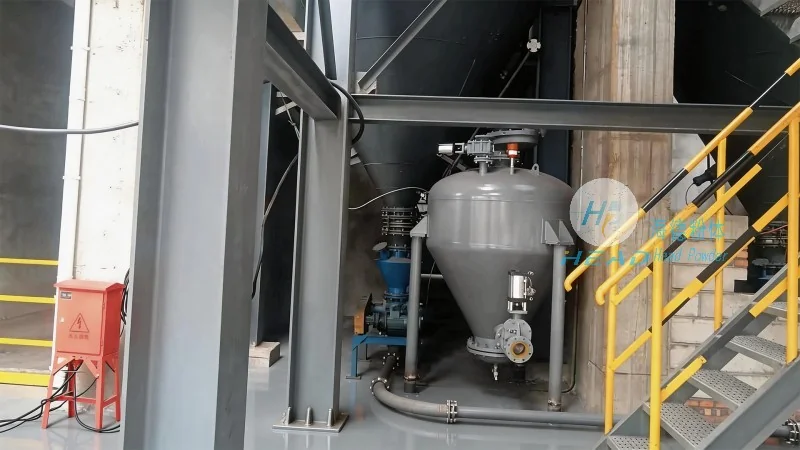
2. Conveying in malt brewing and processing facilities. During the brewing process, malt powders need to be transported to the mash tun or other processing equipment. The pneumatic conveying equipment can accurately control the conveying amount and speed, meeting the precise requirements of the brewing process. The equipment's low noise and low vibration design also helps reduce the impact on the brewing environment.
3. Material handling in malt ingredient processing plants. For malt ingredient manufacturers, the equipment can be used to transport malt powders from raw material storage to production lines, or to transfer finished products to packaging equipment. The equipment's flexibility allows it to adapt to different production scales and process requirements, improving production efficiency and reducing labor costs.
4. Conveying in malt quality control and testing processes. In quality control departments, the equipment can be used to transport malt powders for sample collection and testing. The equipment's precise control and low contamination features ensure the accuracy of test results, providing reliable data support for product quality management.
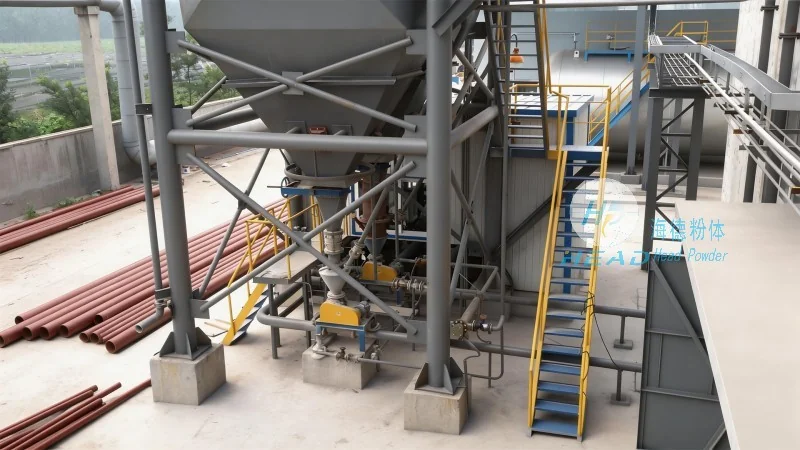
Advantages and Technical Features
Compared with traditional mechanical conveying methods, HeadPowder's malt powder pneumatic conveying equipment has the following advantages:
1. High conveying efficiency. The equipment can achieve high conveying capacity and long-distance transportation, meeting the needs of large-scale production lines. The pressure conveying system can transport powders over distances of several hundred meters, while the vacuum conveying system can handle powders over short distances with high precision.
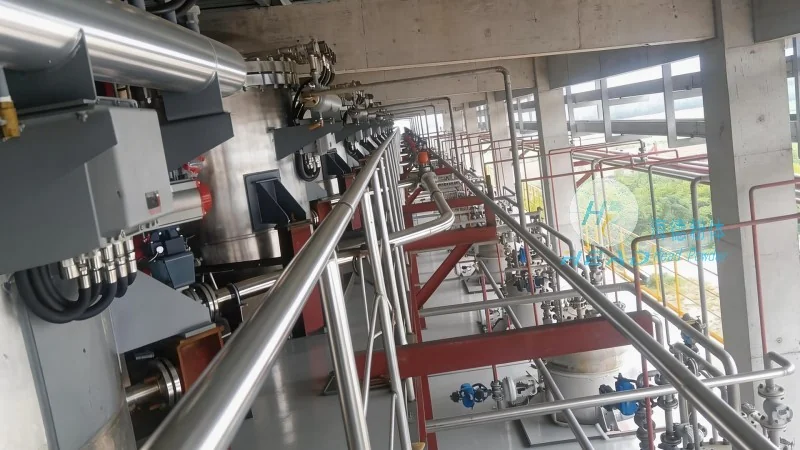
2. Low energy consumption. The equipment optimizes the air flow and pressure system, reducing energy consumption compared to traditional conveying methods. The recycling of air in the system also helps save energy and reduce operating costs.
3. Reduced material loss and contamination. The pneumatic conveying process is a closed system, which can effectively prevent powder leakage and contamination from external environments. This is especially important for malt powders, which are sensitive to moisture and impurities.
4. Easy to maintain and operate. The equipment adopts modular design and easy-to-clean components, reducing maintenance costs and downtime. The user-friendly control system allows operators to easily adjust conveying parameters according to production needs.




