White carbon black, a critical industrial additive widely utilized in rubber, plastics, and other sectors, demands efficient and reliable conveying solutions to support seamless production workflows. The white carbon black powder conveying equipment engineered by Shandong HeadPowder Engineering Co., Ltd. (referred to as HeadPowder) addresses these requirements through advanced engineering principles and practical application scenarios. This article delves into the core principles of such equipment and highlights the key characteristics of its operational environments, providing a comprehensive understanding of its role in industrial processes.
Core Principles of White Carbon Black Powder Conveying Equipment
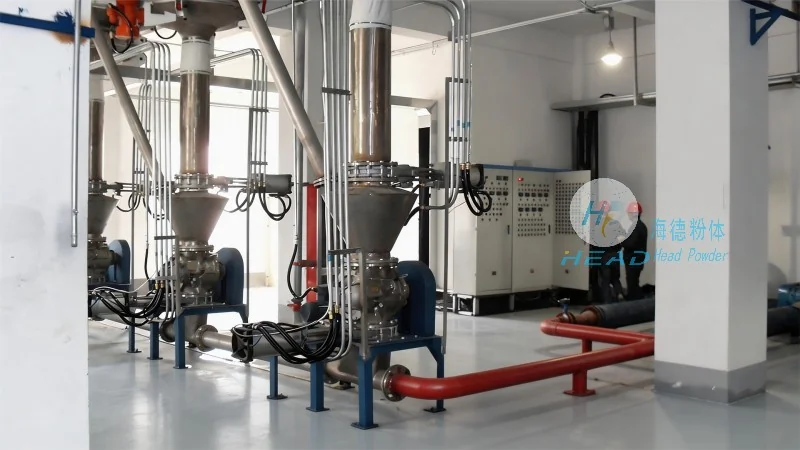
The operation of white carbon black powder conveying equipment is grounded in several fundamental principles tailored to the unique properties of white carbon black powder. Firstly, the equipment leverages a combination of air pressure and mechanical force to transport the fine powder material. This approach minimizes particle degradation and preserves the material's quality during transit. The system typically comprises a hopper, a conveyor tube, and a control unit, all working in concert to achieve consistent flow rates. The air pressure system, equipped with adjustable valves and filters, regulates airflow to match the specific characteristics of the white carbon black powder—including its density (typically 0.2-0.25 g/cm³) and moisture content (often below 0.5%). Mechanical components, such as rotary valves or screw conveyors, provide the necessary force to move the powder through the pipeline, preventing clogging and ensuring continuous operation. For instance, rotary valves use rotating blades to create a seal, allowing controlled discharge of the powder, while screw conveyors utilize helical screws to push the material forward. Additionally, the equipment integrates dust collection and filtration systems to maintain a clean working environment and comply with industrial safety standards. The dust collection system typically includes a cyclone separator and a bag filter, which capture and remove fine particles from the air, reducing airborne dust and protecting workers from respiratory hazards. By integrating these principles, the conveying equipment effectively manages the challenges posed by white carbon black powder, which is known for its fine particle size (often 0.01-0.1 µm) and tendency to generate dust during handling.
Working Scene Characteristics of White Carbon Black Powder Conveying Equipment
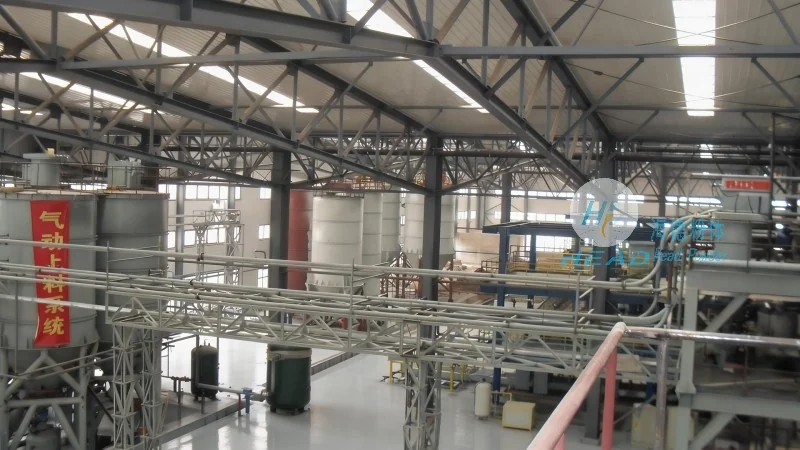
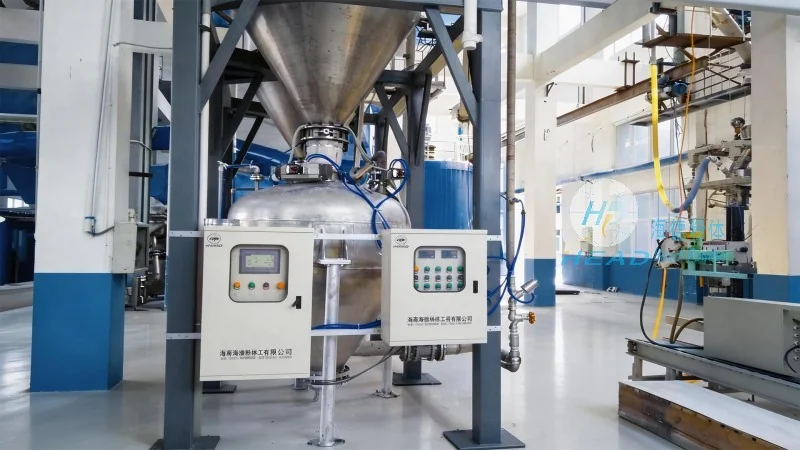
The working scene characteristics of white carbon black powder conveying equipment are designed to meet the demands of diverse industrial applications. These characteristics include high efficiency, low maintenance requirements, and adaptability to varying production scales. In rubber manufacturing plants, for instance, the equipment is often integrated into the mixing process, delivering white carbon black powder to mixing machines at a controlled rate. This ensures uniform distribution of the additive, enhancing the final product's quality and performance. In plastic processing facilities, the conveying system may be part of a larger material handling network, transporting white carbon black from storage silos to extrusion lines. The equipment's ability to handle large volumes of powder with minimal downtime is critical in these high-speed production environments. Furthermore, the working scene characteristics emphasize safety and environmental compliance. The dust collection systems and sealed conveyor tubes prevent the release of fine particles into the air, reducing health risks for workers and minimizing environmental impact. The equipment's design also considers space constraints in industrial settings, with compact models available for installations in limited areas. Overall, the working scene characteristics reflect the equipment's versatility and reliability, making it suitable for a wide range of industrial applications where efficient powder handling is essential.
Application Examples and Performance Metrics
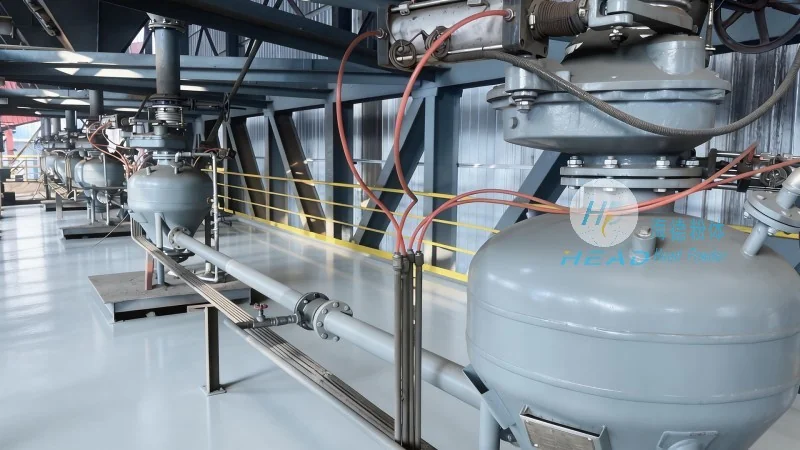
HeadPowder's white carbon black powder conveying equipment has demonstrated successful implementation in various industrial scenarios, showcasing its effectiveness in real-world operations. For example, in a tire manufacturing plant, the equipment was installed to transport white carbon black from bulk storage to the mixing department. The system achieved a conveying rate of 10 tons per hour with consistent flow rates, ensuring that the mixing process was not interrupted. The equipment's low maintenance requirements—scheduled inspections and filter replacements every 6 months—reduced operational costs for the plant. In another case, a plastic extrusion company implemented the conveying system to deliver white carbon black to their production lines. The system's ability to handle varying moisture levels in the powder, thanks to its adjustable air pressure control, maintained the quality of the final plastic products. Performance metrics such as conveying efficiency, material loss, and energy consumption were all within industry standards, with the equipment operating at 95% efficiency under normal conditions. These examples highlight the equipment's performance and reliability, reinforcing its position as a preferred solution for white carbon black powder handling in industrial applications.




