HeadPowder, a leading manufacturer based in Shandong, China, specializes in the design and production of advanced potato powder conveying equipment. This article delves into the fundamental principles behind these systems and explores the diverse operational environments where they are effectively utilized.
Understanding the Core Principles of Potato Powder Conveying Systems
At the heart of potato powder conveying equipment lies a sophisticated integration of mechanical engineering and material handling technology. The primary goal is to transport fine, powdery materials like potato starch or dehydrated potato flakes efficiently and reliably. These systems typically employ a combination of positive displacement and pneumatic conveying methods, tailored to the specific characteristics of potato powders—such as their low bulk density, tendency to agglomerate, and sensitivity to moisture.
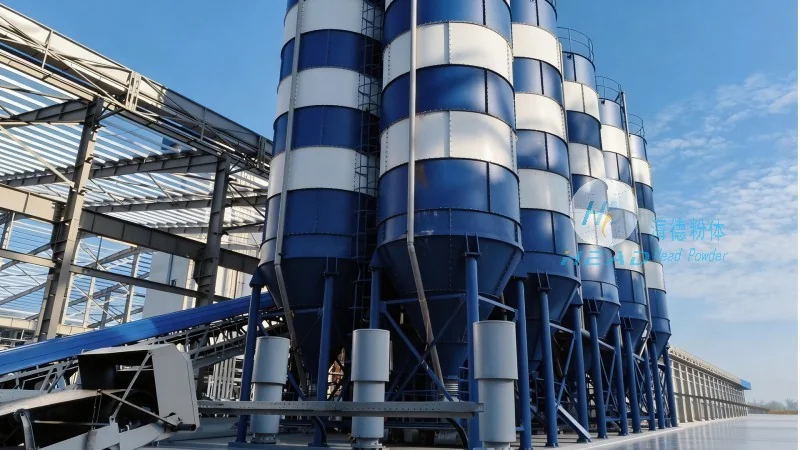
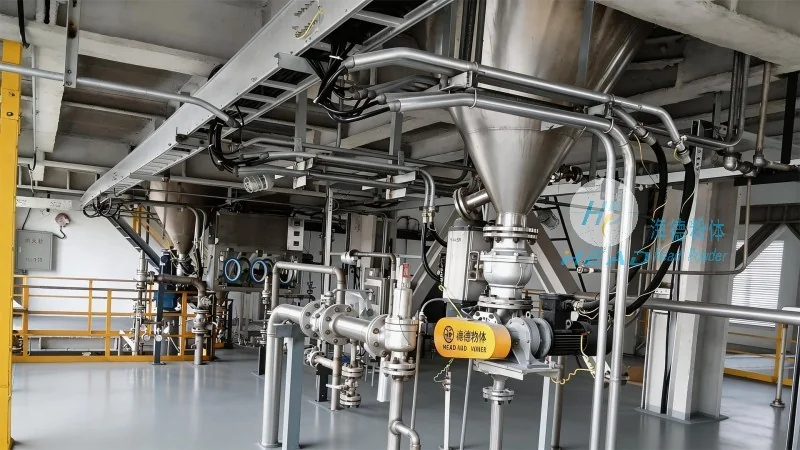
The mechanical conveying components, such as rotary valves, screw conveyors, and pneumatic pipelines, work in tandem to ensure consistent flow and minimal product degradation. For example, rotary valves are often used to control the discharge of potato powder from storage silos, while screw conveyors provide gentle, low-speed transport to prevent particle breakdown. Pneumatic systems, on the other hand, utilize compressed air to create a pressure differential that propels the powder through pipelines, making them ideal for long-distance or high-rise applications.
Key Operational Characteristics and Technical Advantages
One of the critical aspects of potato powder conveying equipment is its ability to handle materials with unique properties. The equipment is engineered to maintain product integrity, preventing issues like caking, clumping, or excessive friction that could lead to product loss or equipment damage. Advanced designs incorporate features such as adjustable speed controls, temperature regulation, and anti-static measures to address these challenges. Additionally, the systems are built for durability and low maintenance, ensuring long-term operational efficiency in industrial settings.
Common Application Scenarios in the Food and Processing Industry
HeadPowder's potato powder conveying equipment is widely adopted across various sectors of the food processing industry. A primary application is in the production of potato starch, where the equipment efficiently transfers raw potato pulp or dried flakes from processing lines to storage or packaging areas. In the manufacturing of dehydrated potato products, such as instant mashed potatoes or potato flakes, the conveying systems play a vital role in moving the final product from production lines to packaging facilities, ensuring a seamless workflow.
Another significant use case is in the pharmaceutical and nutraceutical industries, where potato-derived powders are used as ingredients in health supplements or functional foods. The equipment's ability to maintain product purity and prevent contamination makes it suitable for these applications, adhering to stringent quality and safety standards. Furthermore, in the agricultural and agricultural processing sectors, the systems are employed to transport potato powders from storage facilities to processing plants, supporting large-scale operations.
Customization and Scalability for Diverse Production Needs
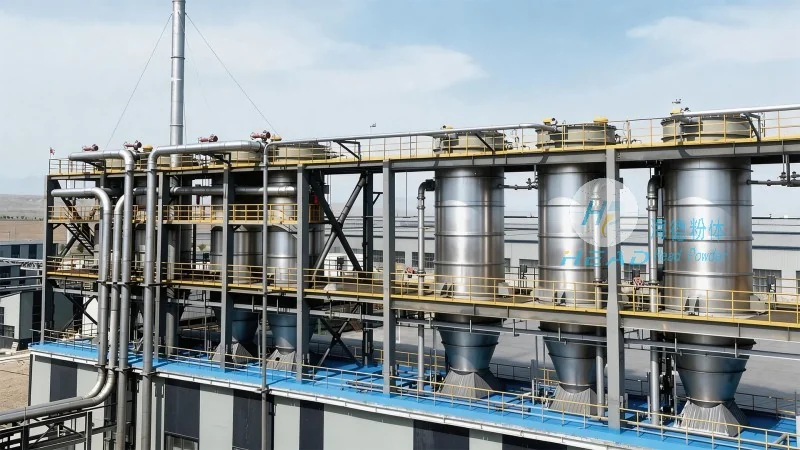
HeadPowder recognizes that different production facilities have varying requirements. Therefore, their potato powder conveying equipment is designed with flexibility in mind. The systems can be customized in terms of capacity, conveyor length, and material compatibility to suit specific production volumes and product types. Whether a small-scale operation or a large industrial plant, the equipment can be scaled to meet the needs of the client. This adaptability ensures that businesses can optimize their material handling processes without compromising on efficiency or product quality.
Conclusion: Enhancing Efficiency in Potato Powder Handling
In conclusion, the principles and application scenarios of potato powder conveying equipment, as exemplified by HeadPowder's solutions, highlight the importance of specialized technology in modern food and processing industries. By understanding the unique properties of potato powders and employing advanced mechanical and pneumatic systems, these devices enable efficient, reliable, and cost-effective material handling. The integration of durability, customization, and adherence to industry standards makes them indispensable tools for businesses seeking to streamline their production processes and maintain product integrity.




