Coal and coke are essential raw materials in many industrial processes, and efficient handling of their powder forms is crucial for operational efficiency and safety. The equipment designed for transporting these materials, often referred to as coal and coke powder conveying equipment, plays a vital role in modern industrial applications. This article explores the fundamental principles behind such equipment and highlights key working scene characteristics that define their performance and application, with a focus on solutions provided by Shandong HeadPowder Engineering Co., Ltd.
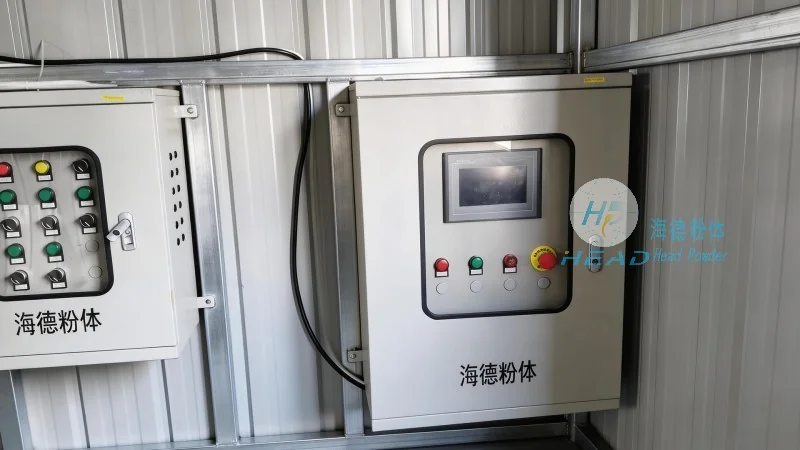
Core Principles of Powder Conveying Systems
The operation of coal and coke powder conveying equipment is based on several core principles that ensure reliable and efficient material transport. One of the primary principles is the use of air or mechanical forces to move the powder through a pipeline or conveyor system. For example, pneumatic conveying systems utilize compressed air to create a flow that carries the powder particles, while mechanical systems such as screw conveyors or belt conveyors rely on rotating components to push or pull the material along a path. These principles are tailored to the specific properties of coal and coke powders, including their particle size, density, and moisture content, to optimize performance and minimize material degradation. The design of the conveying system must also consider factors such as the distance to be covered, the required flow rate, and the operating environment to ensure the most effective solution.
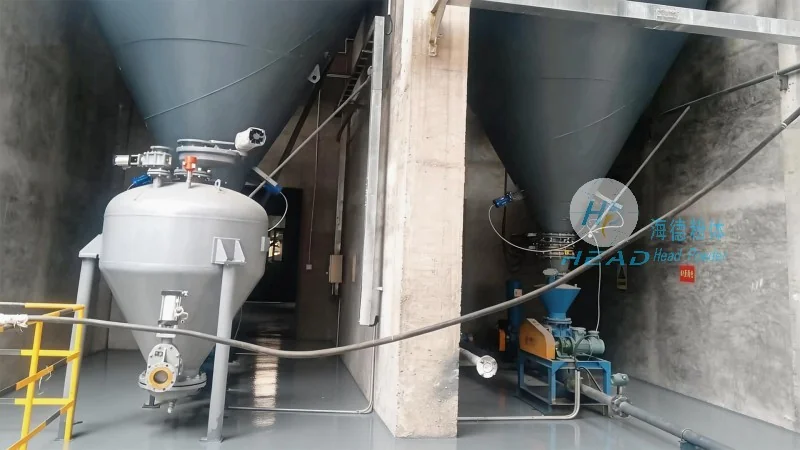
Working Scene Characteristics of Coal and Coke Powder Conveying Equipment
The working scene characteristics of coal and coke powder conveying equipment vary significantly based on the application and environment. In coal-fired power plants, for instance, the equipment must handle large volumes of coal powder and operate under high temperatures and pressures. The conveying systems in these settings often include high-capacity pneumatic conveyors and robust mechanical components designed to withstand the harsh conditions. Similarly, in coke production facilities, the equipment must manage the transport of coke powder, which is typically coarser and more abrasive than coal powder. This requires specialized materials and designs, such as wear-resistant liners and high-strength conveyor belts, to ensure longevity and reliability. The working environment, including factors like dust control and safety measures, also plays a critical role in the selection and operation of the equipment.
Key Components and Their Functions
Coal and coke powder conveying equipment consists of several key components that work together to achieve efficient material transport. The main components include the feeding system, which introduces the powder into the conveying line; the conveying medium (air or mechanical force); the pipeline or conveyor structure; and the discharge system, which delivers the material to its destination. Each component plays a critical role in the overall performance of the system. For example, the feeding system must ensure a consistent and controlled flow of powder to prevent blockages or uneven distribution. The conveying medium must be optimized to maintain the desired flow rate and pressure, while the pipeline or conveyor must be designed to minimize friction and energy loss. The discharge system must be capable of handling the material safely and efficiently, without causing spills or contamination. The selection of materials for these components is also crucial, as they must withstand the abrasive nature of coal and coke powders and resist corrosion from moisture or other environmental factors.
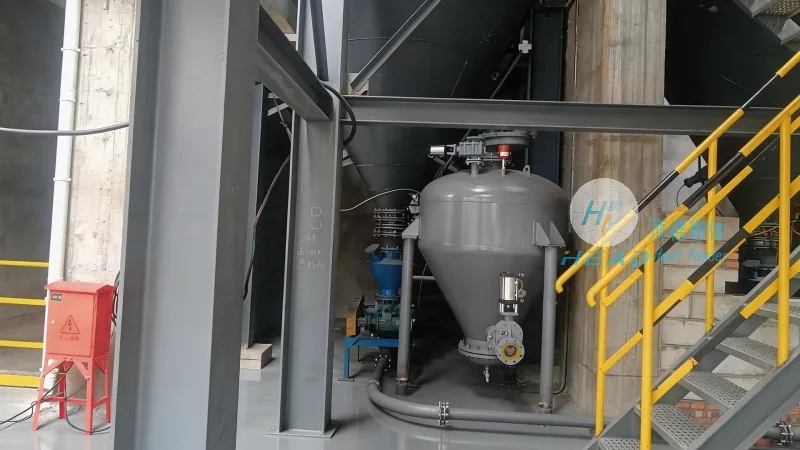
Advantages and Applications
Coal and coke powder conveying equipment offers several advantages that make it suitable for a wide range of industrial applications. One of the main advantages is its ability to transport materials over long distances without the need for intermediate storage or handling. This reduces the risk of material loss and contamination, and improves overall operational efficiency. Additionally, these systems can handle large volumes of material, making them ideal for high-throughput industrial processes. The equipment is also versatile and can be adapted to different applications, such as in coal mining, coke production, and power generation. In coal mining, for example, the equipment is used to transport coal from the mine to processing facilities, while in power plants, it is used to deliver coal to the boilers for combustion. In coke production, the equipment is used to transport coke powder from the coking process to the storage or further processing stages. The reliability and efficiency of these systems contribute significantly to the productivity and profitability of industrial operations.




