For those in the animal feed industry, understanding the efficient operation of soybean feed powder conveying systems is crucial for maintaining production efficiency and product quality. The equipment from Shandong HeadPowder Engineering Co., Ltd. exemplifies advanced technology designed to handle the unique challenges of transporting soybean-based feed powders. This article will explore the fundamental working principles and key features that define these systems, providing insights into their design and functionality.
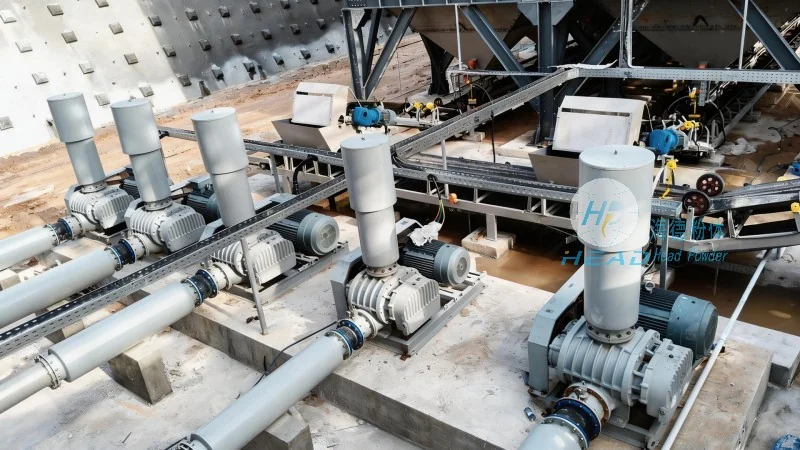
The core working principle of a soybean feed powder conveying system involves the use of specialized equipment to transport bulk feed powders, such as soybean meal, from storage silos or processing units to feeding stations or packaging areas. The system typically comprises components like feed hoppers, conveyors (e.g., pneumatic or mechanical), and control systems. A pneumatic conveying system, for instance, uses compressed air to create a flow of air and powder mixture, which is then directed through pipes to the destination. This method ensures a gentle handling of the feed powder, minimizing particle breakage and degradation. Mechanical conveyors, such as screw conveyors or bucket elevators, rely on mechanical motion to move the powder, offering a more direct and energy-efficient solution for shorter distances.
Key features of the soybean feed powder conveying systems from Shandong HeadPowder Engineering Co., Ltd. include robust construction to withstand the abrasive nature of soybean feed powders, which can be high in fiber and moisture content. The equipment is designed with corrosion-resistant materials to prevent degradation over time, ensuring long-term reliability. Advanced control systems are integrated to monitor and adjust the flow rate, pressure, and temperature of the conveying process, optimizing performance and preventing system overload. Safety features, such as emergency shut-off valves and overload protection, are standard to ensure safe operation in industrial settings. Additionally, the systems are engineered for easy maintenance, with accessible components and modular designs that allow for quick repairs and upgrades.
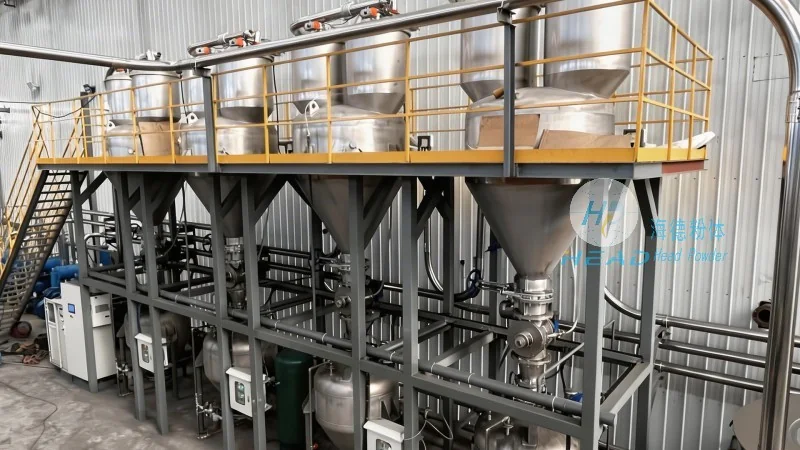
Another significant feature is the adaptability of these systems to handle varying feed compositions. Soybean feed powders can have different moisture levels, particle sizes, and bulk densities, which may affect conveying efficiency. The systems from HeadPowder are equipped with adjustable parameters, such as air pressure and conveyor speed, to accommodate these variations. This flexibility ensures consistent performance regardless of feed type or processing conditions. The equipment also incorporates dust control mechanisms, such as cyclone separators and filtration systems, to minimize airborne dust and comply with environmental regulations. By reducing dust, the systems enhance workplace safety and improve the quality of the feed product by preventing contamination.
The working principle of the conveying process begins with the feed material being loaded into a hopper. The hopper is designed with a sloped bottom to facilitate the flow of powder into the conveyor inlet. For pneumatic systems, the feed is then mixed with compressed air in a venturi or eductor, creating a high-velocity air-powder stream. This stream travels through the conveying line, which may include bends, elbows, and vertical sections, to reach the discharge point. At the discharge end, a separator or filter separates the powder from the air, allowing the powder to be deposited into a receiving container or feeding system. Mechanical systems, on the other hand, use rotating screws or buckets to push the powder along the conveyor path. The screw conveyor, for example, has a helical screw inside a tube, which rotates to move the powder forward. The speed of the screw and the pitch of the helix can be adjusted to control the flow rate.
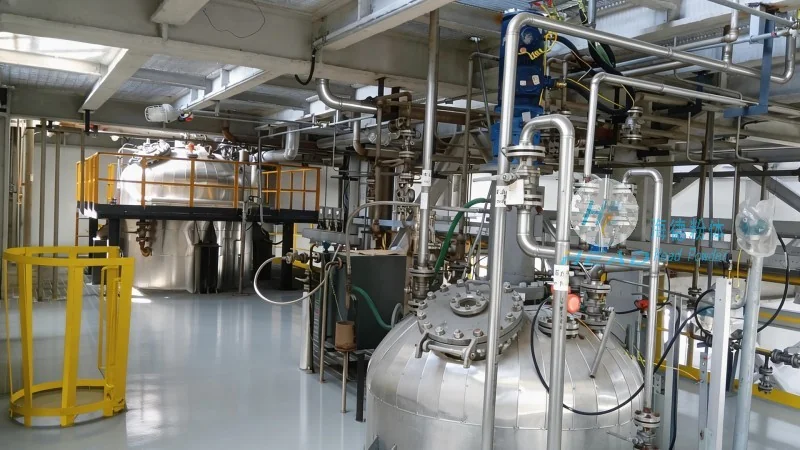
One of the standout features of the HeadPowder systems is their energy efficiency. By optimizing the air pressure and conveyor speed, the systems minimize energy consumption while maintaining high conveying rates. This is particularly important in large-scale feed production facilities where operational costs can significantly impact profitability. The systems also incorporate energy-saving features, such as variable frequency drives (VFDs), which adjust motor speed based on the load, reducing unnecessary energy use. Furthermore, the use of high-quality materials and precision engineering reduces wear and tear, extending the lifespan of the equipment and lowering maintenance costs over time.
In terms of operational reliability, the systems are built to operate continuously without frequent interruptions. The robust design and quality components ensure that the equipment can handle the high volume and abrasive nature of soybean feed powders. The control systems provide real-time monitoring of key parameters, allowing operators to quickly identify and address any issues, such as blockages or pressure drops. This proactive approach to maintenance helps prevent system downtime and ensures consistent feed delivery to the production line. The modular design of the systems also allows for easy expansion or modification as production needs change, providing long-term value to the customer.
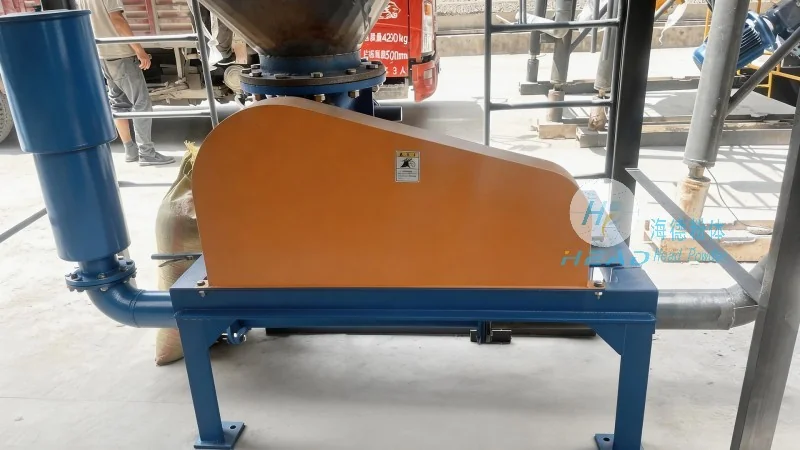
Environmental considerations are also a key feature of the soybean feed powder conveying systems. The dust control mechanisms not only improve safety but also help meet environmental regulations regarding particulate emissions. The systems are designed to minimize the release of dust into the atmosphere, reducing the impact on the surrounding environment. Additionally, the use of efficient conveying methods reduces the need for manual handling, which can be a source of dust and contamination. By maintaining a clean and controlled environment, the systems contribute to better overall hygiene in the feed production facility.
Shandong HeadPowder Engineering Co., Ltd. has established itself as a leading manufacturer of conveying systems for the animal feed industry. With a focus on innovation and customer satisfaction, the company provides tailored solutions that meet the specific needs of each client. The systems are designed and manufactured in China, with a commitment to quality and reliability. The company's expertise in material handling and feed processing ensures that the equipment is optimized for the unique requirements of soybean feed powders. By choosing HeadPowder systems, feed producers can enhance their operational efficiency, reduce costs, and improve the quality of their products.




