Efficient material handling is a critical aspect of modern industrial operations, especially in sectors dealing with powders such as phenolic resin. Air-driven conveying, or pneumatic conveying, has emerged as a versatile and effective method for transporting these materials. This article explores the fundamental principles of air-driven conveying for phenolic resin powder and highlights the key characteristics of its application scenarios.
Understanding the Principle of Air-Driven Conveying for Phenolic Resin Powder
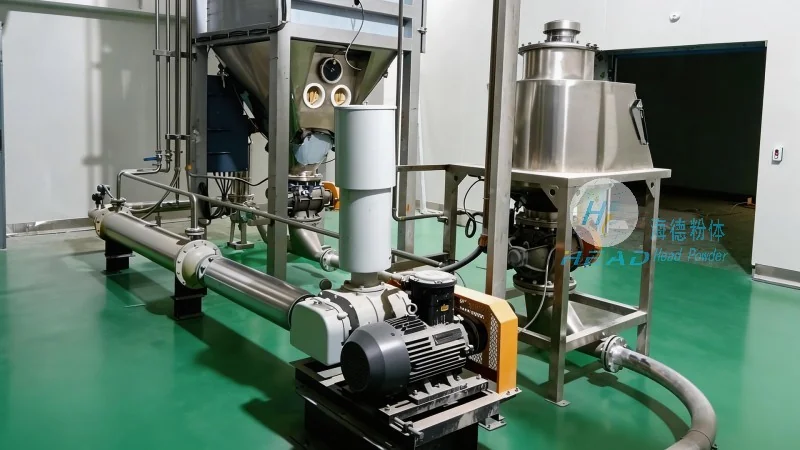
At its core, air-driven conveying involves the use of compressed air or vacuum to move powders through a pipeline system. For phenolic resin powder, which is commonly used in applications like molding and composite manufacturing, this method offers several advantages over traditional mechanical conveying. The process typically operates by creating a pressure differential that propels the powder particles through the pipeline. There are two main types of air-driven conveying systems: suction (or vacuum) conveying and pressure conveying.
In suction conveying, a vacuum is created at the inlet of the system, drawing the phenolic resin powder from a hopper or storage bin into the pipeline. This method is ideal for applications where the material needs to be transported from a lower elevation or over relatively short distances. The system uses a rotary valve or feeder to control the flow rate and ensure consistent material transfer. On the other hand, pressure conveying operates by injecting compressed air into the pipeline, pushing the powder forward. This approach is suitable for longer distances and higher material throughput, as it can handle larger volumes with less pressure loss.
Key components of an air-driven conveying system for phenolic resin powder include the hopper, feeder, pipeline, and receiver. The hopper stores the powder and provides a consistent feed to the system. The feeder, often a rotary valve or screw feeder, regulates the flow rate to prevent clogging and ensure smooth operation. The pipeline, made of materials resistant to the chemical properties of phenolic resin, transports the powder from the feeder to the receiver. The receiver collects the material and may include a filter or cyclone to separate any air from the powder before it is discharged.
Application Scenarios and Characteristics of Air-Driven Conveying for Phenolic Resin Powder
The versatility of air-driven conveying makes it suitable for a wide range of industrial applications involving phenolic resin powder. Each scenario presents unique challenges and benefits that influence the choice of system design and operation.
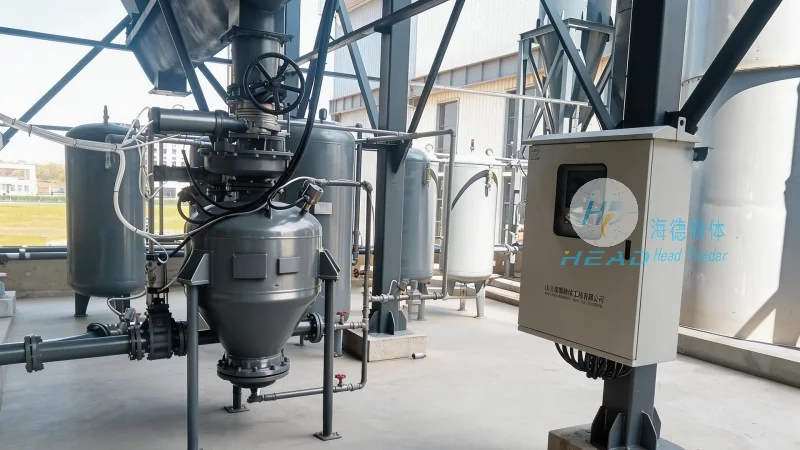
One common application is in the manufacturing of phenolic molding compounds. In this context, the powder needs to be transported from storage silos to the mixing and molding equipment. The air-driven system allows for a clean and dust-free transfer, which is essential for maintaining product quality and safety in the molding process. The ability to handle fine powders without segregation or agglomeration is particularly important here, as any clumping can affect the final product's consistency and performance.
Another scenario involves the handling of phenolic resin powder in composite material production. Here, the powder is often mixed with other additives or fibers before being conveyed to the molding line. The air-driven system can integrate with other processing equipment, such as mixers and extruders, to form a continuous production line. The system's ability to maintain a consistent flow rate and particle size distribution is crucial for achieving uniform composite materials, which are critical in applications like automotive parts and structural components.
In industrial storage and warehousing, air-driven conveying is used to move phenolic resin powder between storage bins and processing units. This application benefits from the system's ability to handle large volumes of material efficiently and with minimal human intervention. The automated nature of the system reduces labor costs and improves safety by minimizing exposure to dust and airborne particles. Additionally, the system's compact design allows for integration into existing facility layouts without significant modifications.
Specialized applications, such as in the production of phenolic resins for electrical insulation, require precise control over the powder's temperature and moisture content during transport. Air-driven conveying systems can be equipped with temperature-controlled pipelines or humidifiers to maintain the material's properties. This ensures that the phenolic resin powder remains in optimal condition for its intended use, whether it's for high-voltage components or other electrical applications.
HeadPowder: Expertise in Air-Driven Conveying Solutions for Phenolic Resin Powder
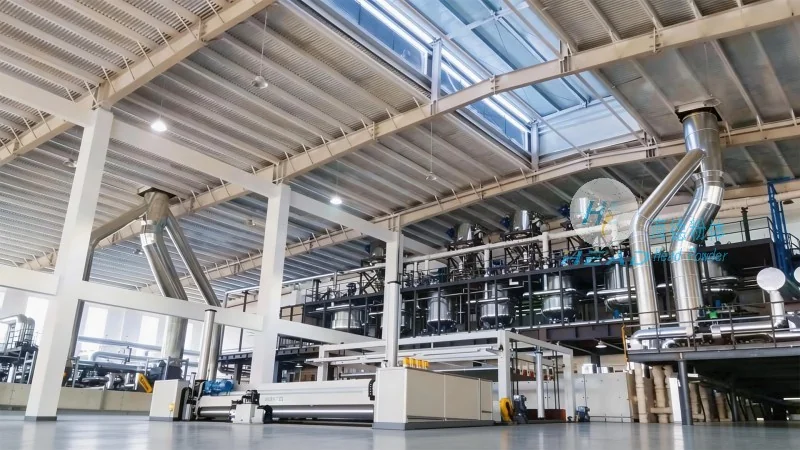
Shandong HeadPowder Engineering Co., Ltd., a leading provider of material handling solutions, specializes in designing and implementing air-driven conveying systems tailored to the specific needs of phenolic resin powder applications. With a deep understanding of the material's properties and the challenges associated with its handling, HeadPowder offers customized solutions that enhance efficiency, safety, and product quality.
HeadPowder's expertise lies in the integration of advanced technology with practical engineering solutions. The company's team of engineers works closely with clients to assess their operational requirements, including material flow rates, distance, and environmental conditions. This collaborative approach ensures that the final system is optimized for performance and reliability. HeadPowder's systems are built using high-quality components, such as corrosion-resistant pipelines and efficient feeders, which are designed to withstand the chemical and physical demands of phenolic resin powder.
The company's commitment to innovation is reflected in its use of modern control systems and monitoring technologies. These features allow for real-time tracking of the conveying process, enabling operators to adjust parameters as needed to maintain optimal performance. HeadPowder also provides comprehensive support services, including installation, maintenance, and training, to ensure that clients can maximize the benefits of their air-driven conveying systems.
With its headquarters in Shandong, China, HeadPowder leverages its local presence to serve clients across various industries, including manufacturing, construction, and electrical engineering. The company's reputation for quality and reliability has made it a trusted partner for businesses seeking to improve their material handling processes. By combining technical expertise with customer-centric service, HeadPowder continues to deliver effective solutions for air-driven conveying of phenolic resin powder.




