Dry limestone material pneumatic conveying systems are essential equipment in various industrial applications, particularly in the processing and handling of limestone for construction, chemical, and environmental sectors. These systems utilize air as the primary medium to transport dry limestone particles from one location to another, offering a flexible and efficient solution for material handling needs. The technology behind these systems is designed to ensure reliable, low-maintenance operation while minimizing material degradation and environmental impact.
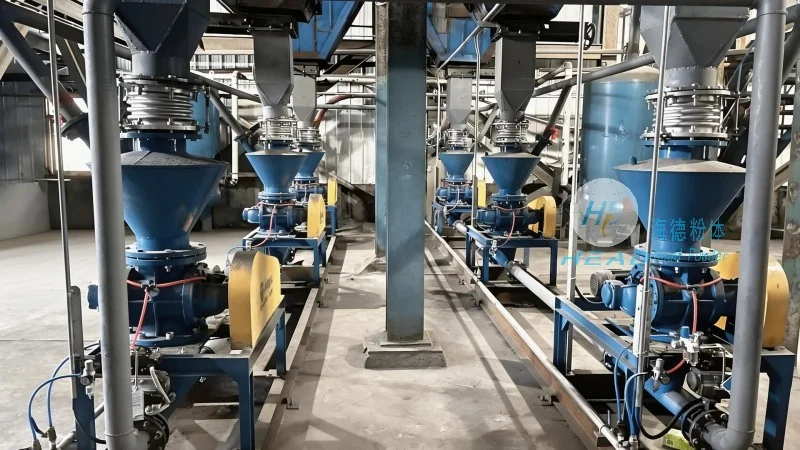
Working Principle of the Pneumatic Conveying System
The core working principle of a dry limestone material pneumatic conveying system involves the use of a blower or compressor to generate a high-velocity air stream. This air stream is then introduced into a hopper or storage silo containing the dry limestone material. As the air flows through the material, it lifts and transports the limestone particles along a pipeline to the destination point, such as a processing plant, storage facility, or processing unit. The system typically includes components like a feeder, a filter, and a receiver to ensure efficient and clean operation. The air flow is carefully controlled to maintain the appropriate velocity for transporting the limestone particles without causing excessive wear or degradation of the material. The system operates by creating a pressure differential between the source and destination, enabling the continuous movement of the material through the pipeline network.
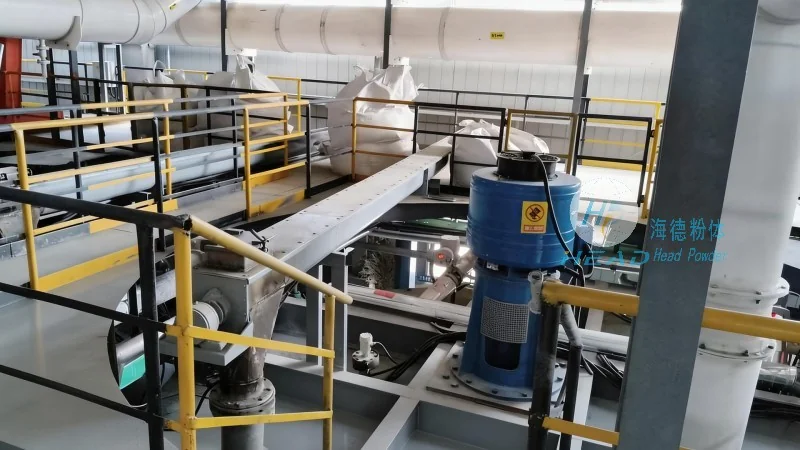
Key Features of the System
Several key features distinguish dry limestone material pneumatic conveying systems, making them ideal for industrial applications. First, the system offers high efficiency in material transport, with the ability to move large volumes of dry limestone over long distances with minimal energy consumption. Second, it provides excellent flexibility, as the pipeline layout can be easily modified or expanded to accommodate changing production needs or facility expansions. Third, the system ensures low maintenance requirements, with components designed for durability and long service life. Fourth, it minimizes material degradation, as the pneumatic conveying process reduces the risk of particle breakage or contamination compared to traditional mechanical conveying methods. Additionally, the system is environmentally friendly, as it eliminates the need for dust collection systems or other pollution control measures commonly associated with mechanical handling. The system also offers improved safety, as it eliminates the need for manual handling of heavy or bulky limestone loads, reducing the risk of workplace accidents.
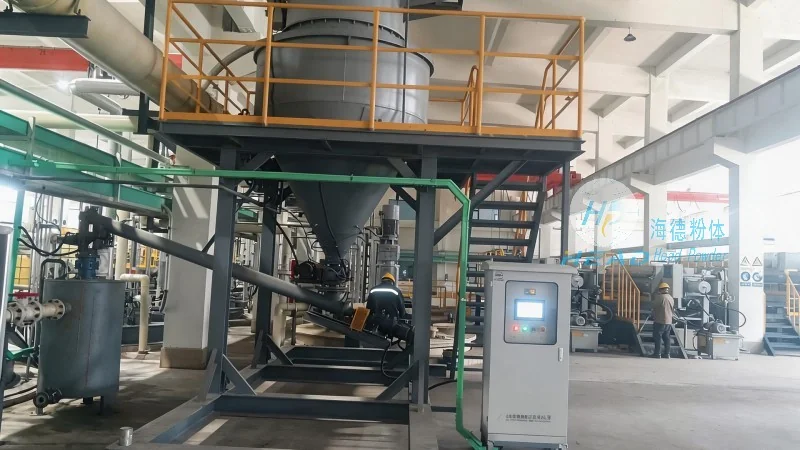
Technical Specifications and Components
The dry limestone material pneumatic conveying system from Shandong HeadPowder Engineering Co., Ltd. is equipped with advanced components to ensure optimal performance. The system includes a high-efficiency blower or compressor that generates a consistent air flow at the required pressure and velocity. The feeder unit is designed to control the flow rate of the limestone material, ensuring a steady supply to the pipeline. The filter system is crucial for maintaining air quality and preventing dust accumulation in the system, while the receiver or silo at the destination point collects the transported limestone material. The pipeline network is constructed from durable materials, such as stainless steel or corrosion-resistant alloys, to withstand the abrasive nature of limestone particles and the effects of moisture or temperature variations. The system also includes control panels and monitoring equipment to allow for real-time operation and maintenance, ensuring the system operates within safe and efficient parameters.
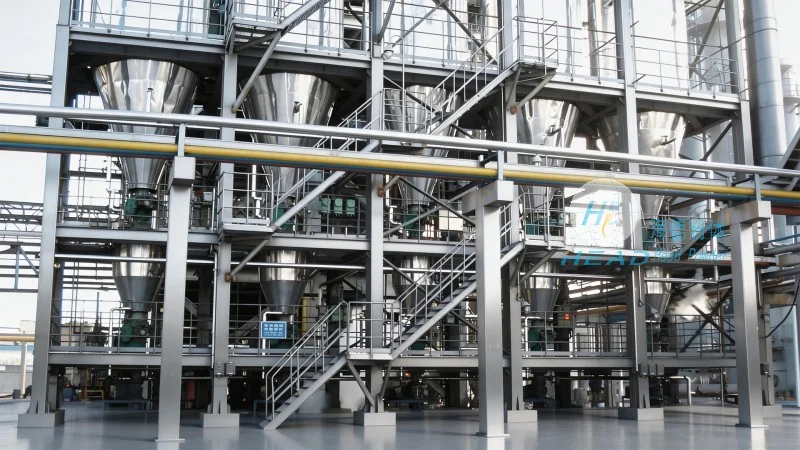
Applications and Benefits
Dry limestone material pneumatic conveying systems are widely used in various industries, including construction, where limestone is used as a raw material for cement production and other building materials. In the chemical industry, the system is used to transport limestone for use in acid neutralization and other chemical processes. The environmental sector also benefits from these systems, as they are used to handle limestone for flue gas desulfurization (FGD) applications, where limestone is used to remove sulfur dioxide from industrial emissions. The benefits of using a pneumatic conveying system for dry limestone include increased productivity, reduced labor costs, and improved safety. The system also minimizes material loss and contamination, ensuring that the limestone material remains in its original state for the intended application. Additionally, the system is scalable, allowing it to be customized to meet the specific needs of different industrial applications, from small-scale operations to large-scale production facilities.




