Activated carbon powder conveyors are essential equipment in various industrial applications, particularly for handling activated carbon powder, which is widely used in air purification, water treatment, and other processes. Understanding the working principle and key features of such conveyors is crucial for optimizing material handling efficiency and ensuring operational reliability. This article provides an in-depth look at the mechanisms behind these systems and their distinctive characteristics.
Introduction to Activated Carbon Powder Conveyors
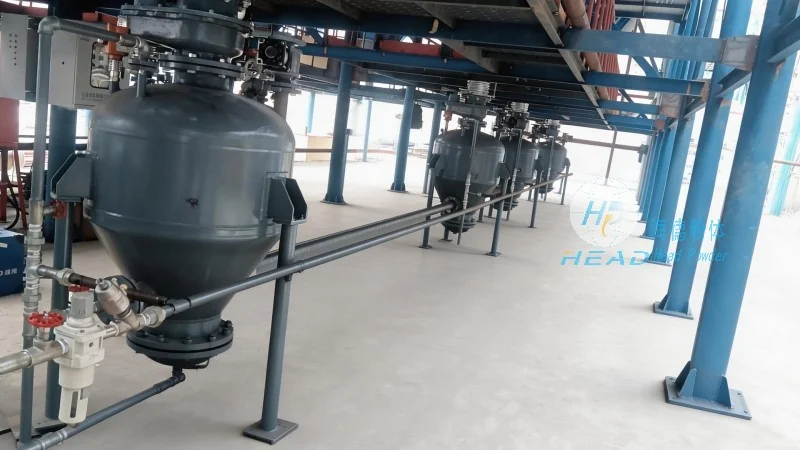
Activated carbon powder conveyors are specialized devices designed to transport activated carbon powder from one location to another within industrial facilities. These systems are engineered to handle the unique properties of activated carbon, such as its fine particle size, low bulk density, and tendency to create dust or caking. The primary goal of these conveyors is to ensure a continuous, efficient, and safe flow of activated carbon powder, minimizing material loss and maintaining product quality throughout the process.
Working Principle of Activated Carbon Powder Conveyors
The working principle of activated carbon powder conveyors typically involves a combination of mechanical components that work in tandem to move the powder. The core mechanism often includes a feeding hopper, a conveyor belt or screw, and a drive system. The process begins with the activated carbon powder being fed into the hopper from a storage silo or container. As the powder accumulates, it is then transferred to the conveyor section, which may be a belt conveyor, screw conveyor, or pneumatic conveyor, depending on the specific design. The drive system, usually powered by an electric motor, provides the necessary force to move the powder along the conveyor path. In some designs, a vacuum or pressure system may be employed to assist in the transport, especially for fine powders that are prone to dispersion. The conveyor then delivers the activated carbon powder to the discharge point, where it is collected for further processing or use.
Key Features of Activated Carbon Powder Conveyors
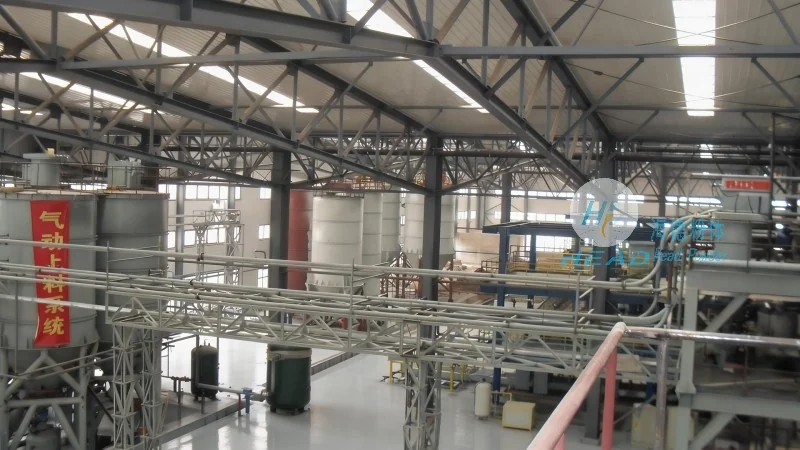
Activated carbon powder conveyors are characterized by several key features that enhance their performance and adaptability. One of the most significant features is their ability to handle fine, dusty materials without causing excessive wear or clogging. This is achieved through the use of specialized materials for the conveyor components, such as stainless steel or food-grade plastics, which resist corrosion and abrasion. Another important feature is the system's dust control capabilities. Many activated carbon powder conveyors are equipped with dust collection systems, including hoods, filters, and vacuum pumps, to minimize airborne dust and maintain a clean working environment. This is particularly critical in industries where air quality and worker safety are paramount. Additionally, these conveyors often incorporate adjustable speed controls, allowing operators to regulate the flow rate of the activated carbon powder based on the specific requirements of the application. This flexibility ensures that the system can be optimized for different production volumes and processing conditions. Furthermore, the design of these conveyors typically prioritizes ease of maintenance and cleaning. Modular components and easy-to-access parts facilitate regular maintenance, reducing downtime and extending the equipment's service life. The systems are also designed to be compatible with various downstream processes, such as mixing, drying, or packaging, ensuring seamless integration into existing industrial workflows.
Applications and Benefits in Industrial Settings
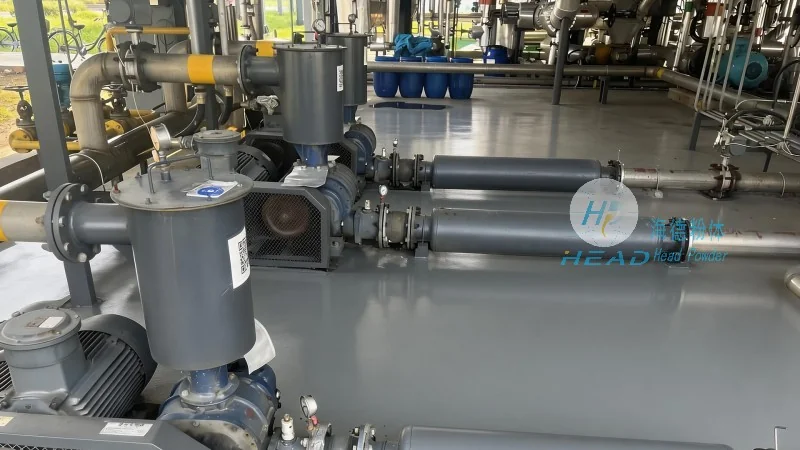
Activated carbon powder conveyors find extensive applications across a range of industries, including environmental protection, chemical processing, and pharmaceutical manufacturing. In the environmental sector, these conveyors are commonly used in water treatment plants to transport activated carbon for adsorption processes, helping to remove contaminants from water and wastewater. In chemical processing, they facilitate the handling of activated carbon in production lines for the manufacturing of activated carbon-based products, such as filters and adsorbents. The benefits of using activated carbon powder conveyors in these applications are substantial. By ensuring a consistent and efficient flow of activated carbon powder, these systems improve production efficiency, reduce material waste, and enhance overall operational reliability. The dust control features also contribute to a safer working environment, minimizing health risks associated with fine powder handling. Moreover, the adaptability of these conveyors allows them to be customized to meet the specific needs of different industrial processes, making them a versatile solution for various material handling challenges.
Conclusion
In summary, activated carbon powder conveyors are sophisticated equipment designed to efficiently transport activated carbon powder while maintaining product quality and operational safety. Their working principle, which combines mechanical and sometimes pneumatic components, ensures reliable material handling. The key features, including dust control, adjustable speed, and easy maintenance, make these conveyors suitable for diverse industrial applications. By understanding the working principle and characteristics of these systems, industries can optimize their material handling processes and enhance overall operational efficiency. As a leading manufacturer in this field, Shandong HeadPowder Engineering Co., Ltd. specializes in providing high-quality activated carbon powder conveyors tailored to meet the specific needs of various industrial sectors.




