

Working Principle and Features of Gypsum and Fly Ash Pneumatic Conveying Equipment
Gypsum and fly ash are common industrial materials used in construction, power generation, and other sectors. The efficient transportation of these materials is crucial for maintaining production efficiency and reducing operational costs. Pneumatic conveying systems, specifically designed for handling gypsum and fly ash, offer a reliable solution to these challenges. This article explores the working principle and key features of such equipment, highlighting how it enhances material handling processes in various industrial applications.
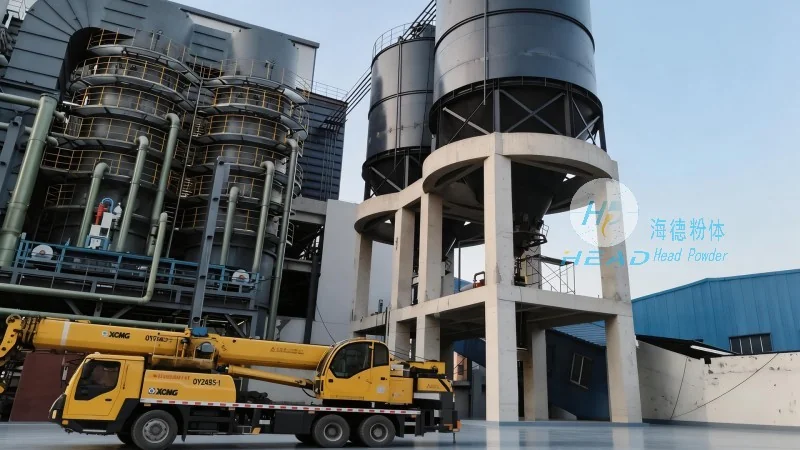
The Working Principle of Gypsum and Fly Ash Pneumatic Conveying Equipment
The core of a pneumatic conveying system for gypsum and fly ash involves the use of air pressure to transport bulk materials through a pipeline. The process typically begins with the material being fed into a hopper or feeder. From there, the material is drawn into a venturi or a positive displacement pump, where it is mixed with high-velocity air. This air-material mixture travels through the pipeline to the discharge point, where the material is separated from the air and deposited. The system operates by creating a pressure differential between the intake and discharge points, ensuring continuous and controlled material flow. The design of the equipment, including the type of air pump (such as rotary lobe or piston pumps) and the configuration of the pipeline, is tailored to handle the specific properties of gypsum and fly ash, such as their particle size, moisture content, and abrasiveness.
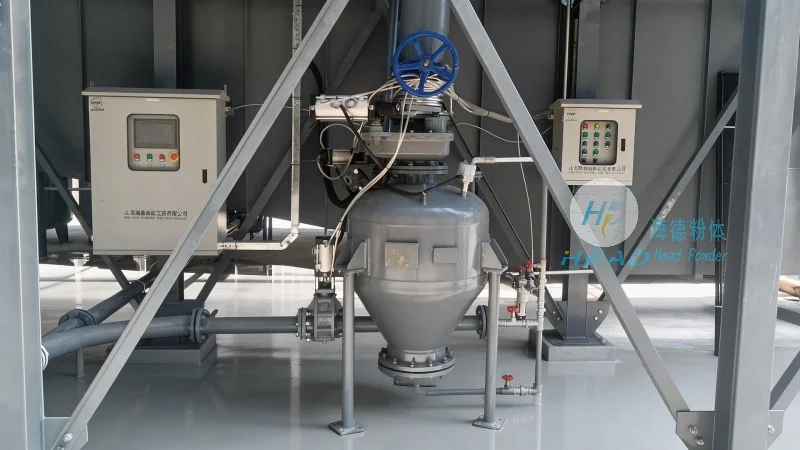
Key Features of Gypsum and Fly Ash Pneumatic Conveying Equipment
Several critical features distinguish high-quality pneumatic conveying systems for gypsum and fly ash. First, the equipment is designed with corrosion-resistant materials to withstand the chemical properties of these materials, ensuring long-term durability. Second, the system incorporates advanced control mechanisms that allow for precise regulation of air flow and material feed rate, minimizing waste and optimizing performance. Third, the design includes features to prevent material buildup and blockages, such as self-cleaning mechanisms and adjustable air velocity controls. Additionally, the equipment is engineered for low maintenance, with easy access to components for routine checks and repairs. These features collectively contribute to the efficiency, reliability, and cost-effectiveness of the material handling process.
Application Scenarios and Benefits
Gypsum and fly ash pneumatic conveying equipment is widely used in various industrial settings. In the construction industry, it is employed to transport gypsum for wallboard production and fly ash for concrete mixing. In power plants, it facilitates the handling of fly ash from coal combustion, ensuring safe and efficient disposal or reuse. The benefits of using such equipment include reduced labor costs, minimized material loss, and improved safety by eliminating manual handling of bulk materials. Furthermore, the system can be integrated with other production processes, enhancing overall operational efficiency.
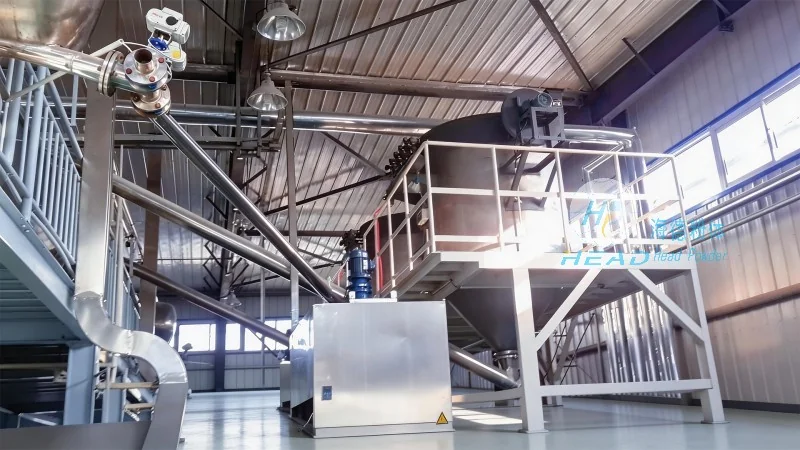
About Shandong HeadPowder Engineering Co., Ltd.
Shandong HeadPowder Engineering Co., Ltd., commonly known as headpowder, is a leading manufacturer of industrial material handling equipment. With a focus on innovation and quality, the company specializes in designing and producing pneumatic conveying systems tailored to the needs of the gypsum and fly ash industries. Headpowder's products are engineered to meet the highest standards of performance and durability, ensuring reliable operation in demanding industrial environments. The company's commitment to customer satisfaction and technical excellence has established it as a trusted partner for businesses seeking efficient and effective material handling solutions. Headpowder is headquartered in Shandong, China, where it continues to develop advanced technologies and provide comprehensive support to its clients.