Understanding the working principle and features of powder pneumatic conveying systems is crucial for industries that rely on efficient material handling solutions. This article provides a detailed overview of how these systems operate and the key characteristics that make them effective for transporting powders and bulk materials.
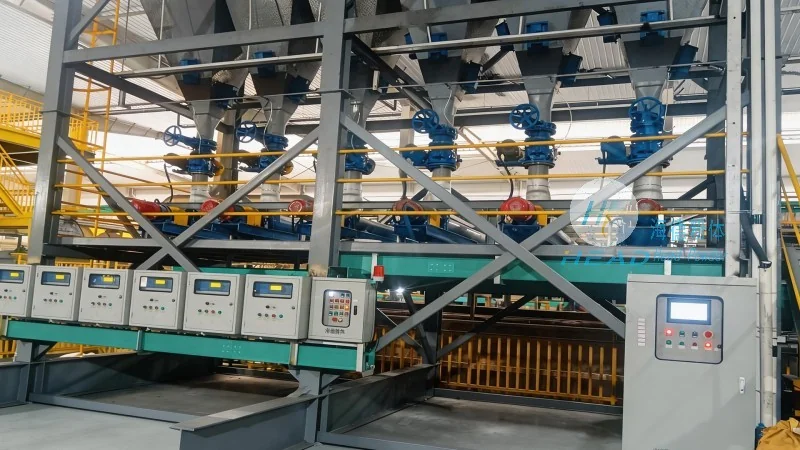
Working Principle of Powder Pneumatic Conveying Systems
Powder pneumatic conveying systems utilize air or gas to transport dry powders and granular materials from one location to another. The core mechanism involves creating a pressure differential or using suction to move the material through a pipeline. There are primarily two types of pneumatic conveying systems: pressure and vacuum systems.
In pressure systems, a positive pressure is generated at the material source, typically using a blower or compressor. The material is then pushed through the pipeline as the air flows forward. This method is suitable for long-distance and high-volume transport, as it can handle larger particles and more abrasive materials. Conversely, vacuum systems create a negative pressure at the receiving end, drawing the material through the pipeline. This approach is ideal for short-distance transport and when the material needs to be conveyed from multiple sources to a single destination.
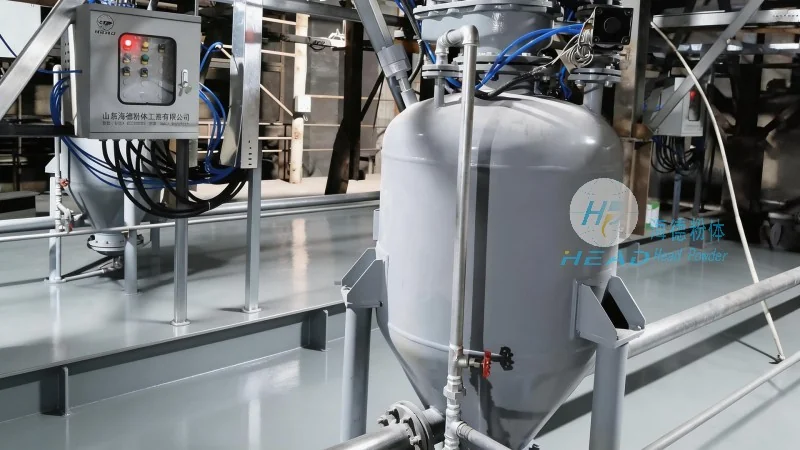
The process begins with the material being fed into a hopper or feeder. From there, it is introduced into the conveying line along with the air stream. The air velocity must be sufficient to overcome the gravitational and frictional forces acting on the particles, ensuring they remain suspended and move through the pipeline. The design of the system, including the size of the pipeline, the type of air flow, and the material feed rate, all contribute to the system's efficiency and reliability.
Key Features of Powder Pneumatic Conveying Systems
Several key features distinguish powder pneumatic conveying systems from other material handling methods. One of the most significant advantages is the ability to transport materials in a closed system, which helps maintain product quality by preventing contamination from dust, moisture, or other environmental factors. This is particularly important for sensitive powders, such as pharmaceuticals, food products, or chemicals.
Another notable feature is the flexibility in system design. Pneumatic conveying systems can be customized to fit various operational requirements, including different material types, particle sizes, and transport distances. They can also be integrated with other equipment, such as mixers, classifiers, or storage silos, to create a comprehensive material handling solution. This adaptability makes them suitable for a wide range of industries, from chemical and pharmaceutical to food and agriculture.
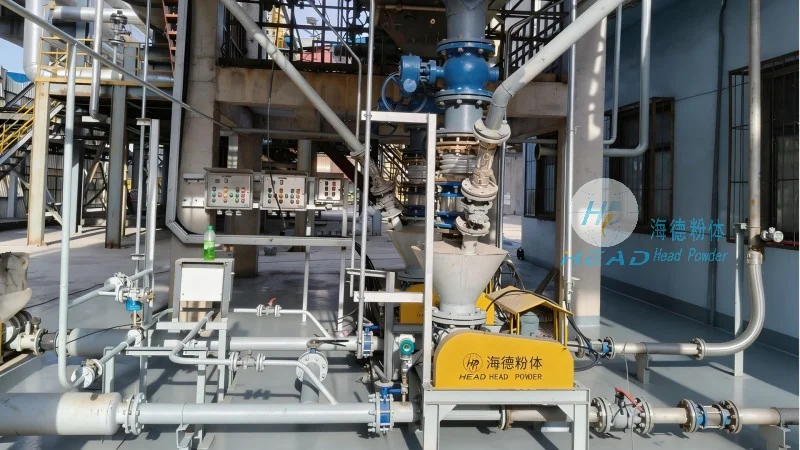
Efficiency and energy consumption are also important considerations. Modern pneumatic conveying systems are designed to optimize air usage, reducing energy costs while maintaining high transport rates. The use of efficient blowers and optimized pipeline layouts helps minimize energy waste, making these systems more sustainable and cost-effective in the long run. Additionally, the ability to handle both dry and wet powders, as well as abrasive materials, adds to their versatility.
Applications and Industries
Powder pneumatic conveying systems are widely used across various industries due to their versatility and effectiveness. In the chemical industry, they are used to transport raw materials, intermediates, and finished products, ensuring a continuous and clean production process. The pharmaceutical industry relies on these systems for handling active pharmaceutical ingredients (APIs) and other sensitive materials, where contamination control is paramount. In the food industry, pneumatic conveying is used to transport ingredients like flour, sugar, and spices, maintaining hygiene and product integrity. The agricultural sector also benefits from these systems for handling bulk materials such as grains, seeds, and fertilizers.
Advantages Over Traditional Conveying Methods
Compared to traditional methods like belt conveyors or screw conveyors, powder pneumatic conveying systems offer several advantages. One of the main benefits is the ability to handle materials that are difficult to transport using other methods, such as fine powders that tend to clog or clump. Pneumatic systems can effectively move these materials without the need for additional processing or conditioning. Another advantage is the reduced risk of product degradation. Since the material is enclosed in the pipeline, it is protected from exposure to air, moisture, or other contaminants, which can affect its quality and shelf life.
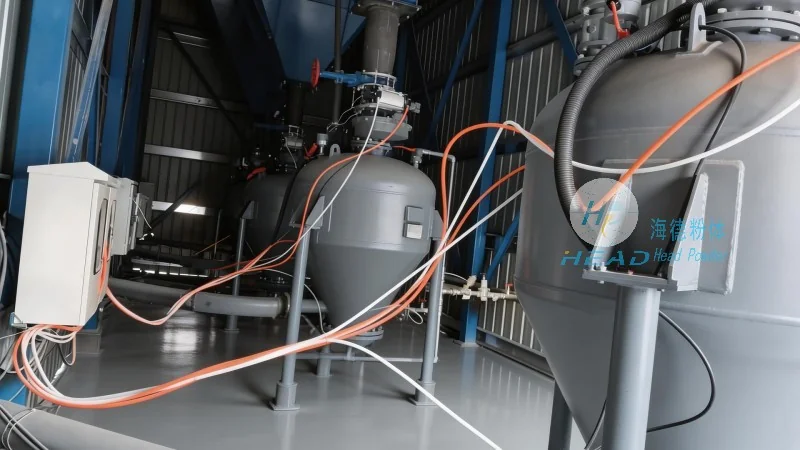
Furthermore, pneumatic conveying systems are generally more compact and easier to install than other bulk material handling solutions. They can be installed in tight spaces and do not require extensive civil works, making them suitable for retrofitting into existing facilities. The closed system also helps in controlling dust emissions, which is a significant advantage in industries where air quality regulations are strict. This reduces the need for additional dust control equipment and compliance costs.
Conclusion
Powder pneumatic conveying systems are an essential component of modern material handling, offering efficient, flexible, and reliable solutions for transporting powders and bulk materials. By understanding their working principle and key features, industries can make informed decisions about implementing these systems to improve their operational efficiency and product quality. As technology advances, these systems continue to evolve, providing even more efficient and sustainable solutions for the future of material handling.




