Shandong HeadPowder Engineering Co., Ltd., operating under the brand name headpowder, specializes in the design and manufacturing of advanced dry sludge powder conveying systems. With a base in Shandong, China, the company leverages years of engineering expertise to deliver efficient and reliable solutions for handling dry sludge and similar powders in various industrial applications. The core focus is on developing equipment that ensures safe, low-dust, and energy-efficient material transport, addressing the unique challenges associated with dry sludge processing.
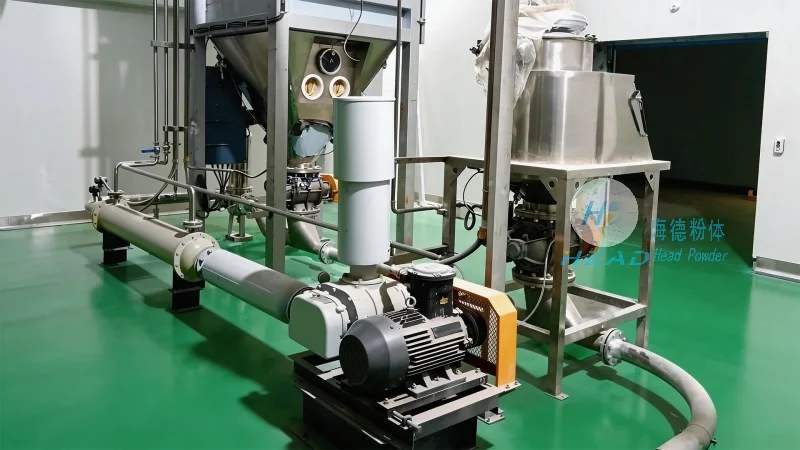
Understanding Dry Sludge Powder Conveying Systems
Dry sludge powder conveying involves the movement of fine, dry particulate materials like sludge from one location to another without the use of water or other liquid media. This process is critical in wastewater treatment facilities, where the efficient handling of dewatered sludge is essential for maintaining operational efficiency and compliance with environmental regulations. The systems designed by headpowder are engineered to handle materials with varying particle sizes, moisture contents, and flow characteristics, ensuring consistent performance under diverse operational conditions.
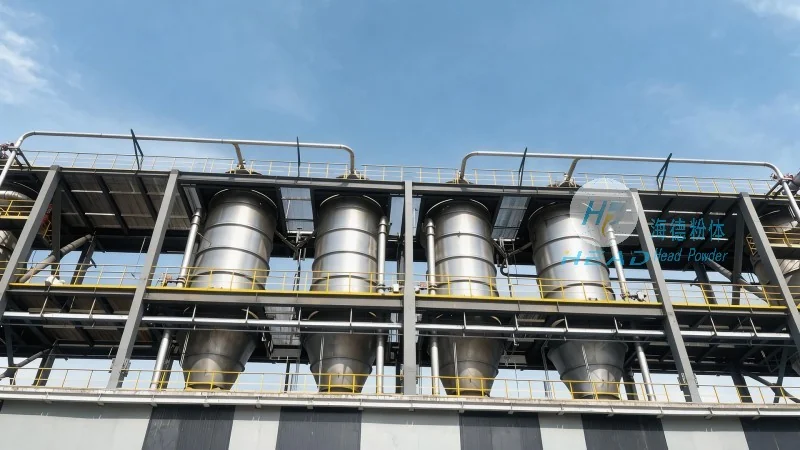
Key Structural Components and Working Principle
The dry sludge powder conveying systems from headpowder typically consist of several integrated components that work in harmony to achieve effective material transport. The primary components include a feeding mechanism, a conveying pipeline, a drive system, and a control unit. The feeding mechanism, often a hopper or a screw feeder, ensures a uniform and controlled feed of the dry sludge into the system. The conveying pipeline, usually made of durable materials such as stainless steel or high-density polyethylene, is designed to minimize material buildup and prevent blockages. The drive system, which may include motors and pulleys or a more advanced screw mechanism, provides the necessary force to move the material through the pipeline. The control unit monitors and adjusts the system parameters in real-time, ensuring optimal performance and preventing operational issues.
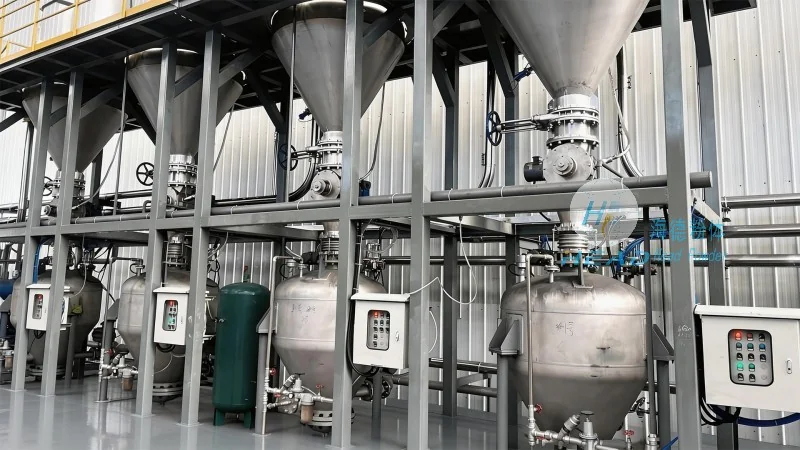
Advantages of HeadPowder's Dry Sludge Conveying Solutions
HeadPowder's dry sludge powder conveying systems offer several advantages that make them ideal for industrial applications. One of the key benefits is the reduction in dust generation, which enhances workplace safety and compliance with air quality standards. The systems are also designed to be energy-efficient, minimizing operational costs while maintaining high throughput rates. Additionally, the equipment is built for durability and low maintenance, ensuring long-term reliability and minimal downtime. The modular design allows for easy integration into existing facilities and scalability to accommodate growing production needs. These features collectively contribute to improved operational efficiency and cost-effectiveness for clients in the wastewater treatment and related industries.
Application Scenarios and Operational Benefits
The dry sludge powder conveying systems from headpowder are widely used in various industrial settings, particularly in wastewater treatment plants. In these facilities, the systems are employed to transport dewatered sludge from the dewatering units to storage or disposal areas. The efficient transport of sludge helps in maintaining the flow of processes, reducing the risk of material accumulation, and ensuring that treatment operations proceed smoothly. The systems also contribute to better environmental management by facilitating the proper handling and disposal of sludge, which is a critical step in wastewater treatment. By using dry sludge conveying, facilities can achieve higher levels of dewatering efficiency and reduce the volume of sludge that needs to be disposed of, thereby lowering disposal costs and environmental impact.
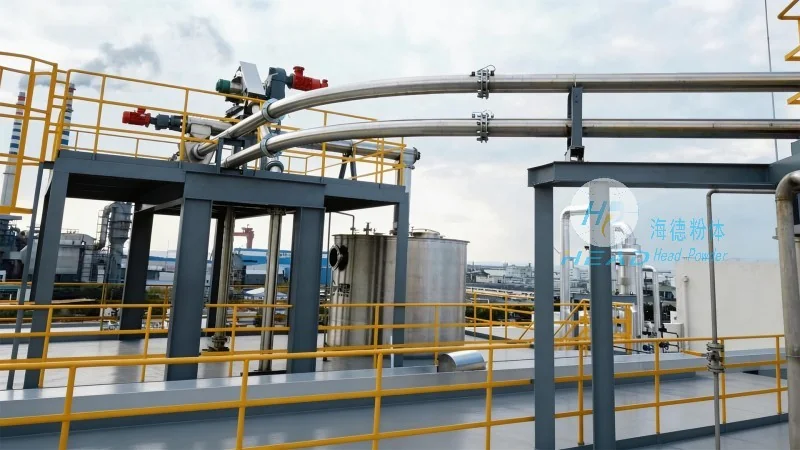
Technical Specifications and Customization Options
HeadPowder offers a range of dry sludge powder conveying systems with customizable specifications to meet the specific needs of different clients. The systems are available in various sizes and configurations, allowing for adaptation to different material volumes and pipeline lengths. The materials used in the construction of the components, such as the pipeline and feeding mechanisms, can be selected based on the properties of the sludge being handled, ensuring compatibility and longevity. The drive systems can be equipped with variable speed motors, enabling precise control over the conveying rate and energy consumption. Additionally, the control units can be integrated with sensors that monitor parameters like pressure, flow rate, and temperature, providing real-time data for process optimization. These customization options ensure that the systems are tailored to the unique requirements of each application, maximizing performance and reliability.




