Tungsten carbide powder conveying lines are sophisticated industrial systems engineered to transport and handle tungsten carbide powders efficiently and safely. These systems are crucial in manufacturing processes where tungsten carbide powders are used as raw materials for various applications, including cutting tools, wear-resistant components, and other high-performance products. The design of such conveying lines is tailored to meet the specific demands of the powder's properties, such as its particle size, density, and reactivity, ensuring optimal performance and minimal material loss. As a leading manufacturer in the field, Shandong HeadPowder Engineering Co., Ltd. specializes in developing and supplying high-quality conveying solutions that meet the stringent requirements of tungsten carbide powder handling.
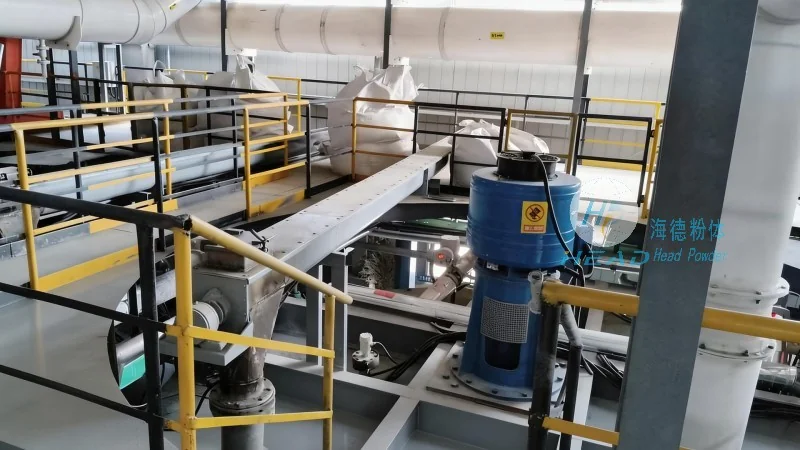
Key Components of a Tungsten Carbide Powder Conveying Line
The core components of a tungsten carbide powder conveying line typically include feeders, conveyors, dust collection systems, and control units. Feeders are responsible for accurately metering the powder into the system, ensuring a consistent flow rate. Common types of feeders used include rotary valves, screw feeders, and vibratory feeders, each chosen based on the powder's characteristics and the required flow rate. For tungsten carbide powders, which are often fine and abrasive, rotary valves are frequently preferred due to their ability to handle high volumes and minimize material degradation. Conveyors, such as pneumatic or mechanical systems, transport the powder from one point to another within the production facility. Pneumatic conveying systems use air pressure to move the powder, which is ideal for handling fine powders as it reduces particle breakage and maintains particle integrity. Mechanical conveyors, like belt or bucket elevators, are suitable for bulkier powders or when longer horizontal distances need to be covered. Dust collection systems are essential to maintain a clean and safe working environment, as tungsten carbide powders can be fine and potentially hazardous if inhaled. These systems typically include filters and cyclones to capture and remove dust particles from the air, ensuring compliance with occupational health and safety regulations. Control units, often equipped with sensors and automation software, monitor and regulate the entire conveying process, ensuring smooth operation and preventing issues like blockages or overloading. The control system may include features such as pressure sensors, flow meters, and alarms to alert operators of any deviations from normal operation.
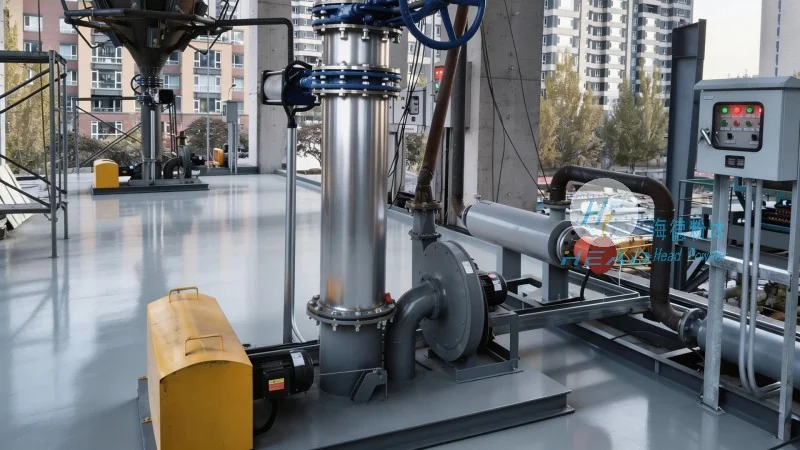
Design Principles for Tungsten Carbide Powder Conveying Lines
The design principles of tungsten carbide powder conveying lines are centered on several key factors: material handling efficiency, system reliability, and safety. Material handling efficiency is achieved by optimizing the flow rate and minimizing pressure drops in the conveying system. This involves selecting appropriate conveyor types and maintaining proper line sizing to ensure the powder moves smoothly without excessive energy consumption. For example, in pneumatic conveying, the diameter of the pipeline and the air velocity are carefully calculated to achieve the desired flow rate while minimizing energy use. System reliability is critical to avoid downtime and maintain consistent production output. Designers consider factors such as the durability of components, the ability to handle abrasive powders, and the ease of maintenance. Tungsten carbide powders are known for their hardness and abrasiveness, so components like feeders, conveyors, and pipelines are made from materials that can withstand wear and tear, such as stainless steel or specialized alloys. Safety is a paramount concern due to the potential health risks associated with tungsten carbide powders. The design incorporates features like sealed systems, dust extraction points, and safety interlocks to protect operators and the environment. Additionally, the system is designed to prevent contamination, as tungsten carbide powders are often used in high-purity applications where even trace impurities can affect product quality. This includes using cleanroom-compatible materials and ensuring that the conveying line is free from any residues from previous materials.
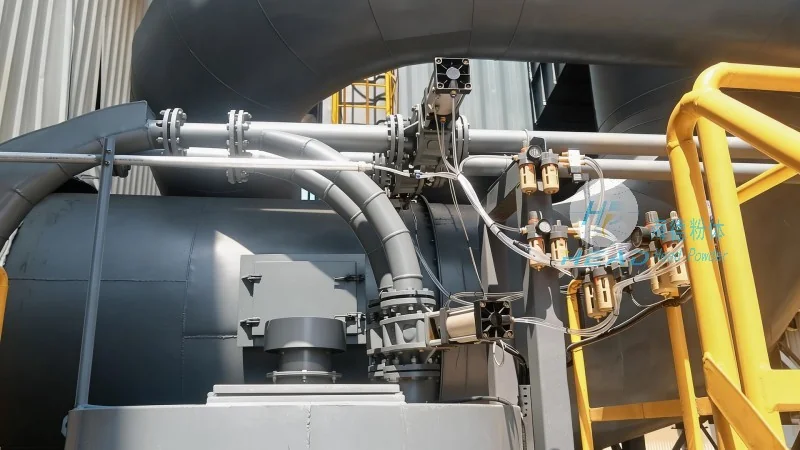
Application of Tungsten Carbide Powder Conveying Lines
Tungsten carbide powder conveying lines are widely used in the manufacturing of cutting tools, where the powder is mixed with binders and sintered to create hard, wear-resistant tools. In the production of wear-resistant components, such as bearings and nozzles, the conveying line ensures that the tungsten carbide powder is delivered to the mixing and molding stages with precision. The system also plays a role in the production of other high-performance materials, such as cermets and composite materials, where the consistent supply of tungsten carbide powder is essential for achieving the desired properties. By ensuring a reliable and efficient supply of tungsten carbide powder, these conveying lines contribute to the overall productivity and quality of the manufacturing process. For instance, in the production of cemented carbide tools, the conveying line delivers the tungsten carbide powder to the mixing stage, where it is combined with cobalt or other binders. The precise control of the powder flow rate is crucial to achieve the correct powder-to-binder ratio, which directly impacts the final tool's hardness and wear resistance. Similarly, in the manufacturing of wear-resistant parts for mining and construction equipment, the conveying line ensures that the powder is delivered to the molding stage without any segregation or agglomeration, which could compromise the part's performance.
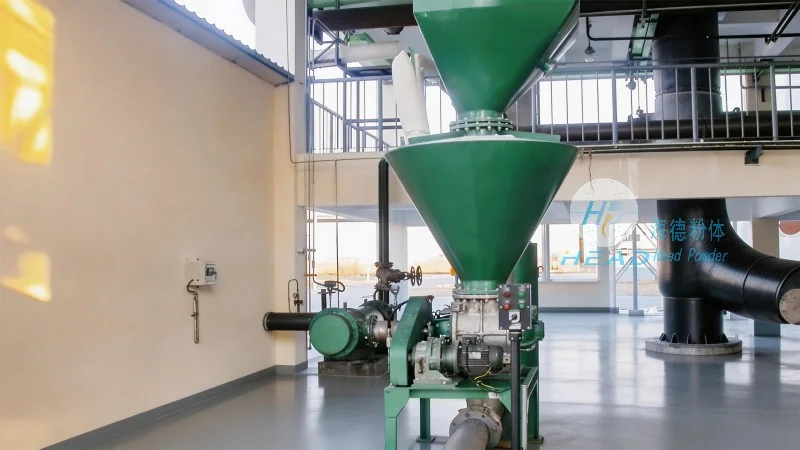
Advantages of Using Tungsten Carbide Powder Conveying Lines
Implementing a tungsten carbide powder conveying line offers several advantages over traditional manual or bulk handling methods. First, it enhances operational efficiency by automating the powder handling process, reducing labor costs and minimizing the risk of human error. The automated system ensures consistent flow rates and precise metering, which is critical for maintaining product quality. For example, in a production line where tungsten carbide powders are used to make cutting tools, an automated conveying line can deliver the powder at a constant rate, eliminating the need for manual adjustments and reducing the chance of over or under-dosing. Second, the system improves safety by reducing exposure to fine powders, as the enclosed and sealed design minimizes dust emissions. This not only protects the health of operators but also complies with environmental regulations. Tungsten carbide powders are classified as hazardous materials in many regions, and the conveying line's sealed design helps prevent the release of particles into the workplace, reducing the risk of respiratory issues or other health problems. Third, the system enhances product quality by preventing contamination and ensuring the powder is handled in a controlled environment. The consistent flow and minimal handling also reduce the risk of particle degradation or agglomeration, which can affect the final product's performance. For instance, if tungsten carbide powders are agglomerated during handling, the resulting particles may have an irregular shape, leading to poor sintering and reduced tool performance. The conveying line's design, with its smooth surfaces and minimal contact points, helps maintain the powder's particle integrity. Finally, the system provides flexibility in production, allowing for easy adjustment of flow rates and the ability to integrate with other manufacturing processes, such as mixing and sintering. This flexibility is particularly valuable in industries where product specifications may change frequently, as the conveying line can be adjusted to accommodate new requirements without significant modifications to the overall system.




