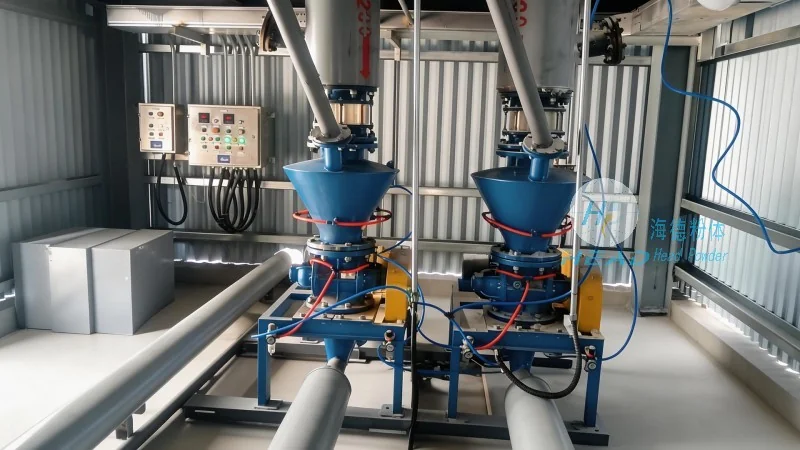
Red mud, a byproduct of bauxite processing in the aluminum industry, poses significant challenges for handling and disposal. Traditional methods often involve complex and costly processes. The red mud pneumatic conveying system equipment, developed by Shandong HeadPowder Engineering Co., Ltd., offers an efficient and reliable solution for transporting this material. This article explores the functionality and design principles of such systems, highlighting their importance in modern industrial applications.
About Shandong HeadPowder Engineering Co., Ltd.
Shandong HeadPowder Engineering Co., Ltd. is a leading manufacturer specializing in industrial material handling solutions. With a focus on innovation and quality, the company has established itself as a trusted partner in the field of pneumatic conveying systems. HeadPowder's expertise lies in designing equipment tailored to the unique requirements of various industrial processes, ensuring optimal performance and longevity. The company's headquarters is located in Shandong, China, where it continues to advance its technology and expand its product portfolio.
Understanding Red Mud and Its Handling Challenges
Red mud is a highly alkaline and abrasive byproduct generated during the extraction of aluminum from bauxite ore. Its properties, including high moisture content, fine particle size, and chemical reactivity, make conventional handling methods difficult and often inefficient. Traditional methods such as trucks, conveyors, and pumps may suffer from blockages, corrosion, and maintenance issues. The pneumatic conveying system addresses these challenges by utilizing air as the conveying medium, allowing for the safe and effective transport of red mud over long distances without the need for mechanical contact.
Design Principles of Red Mud Pneumatic Conveying Systems
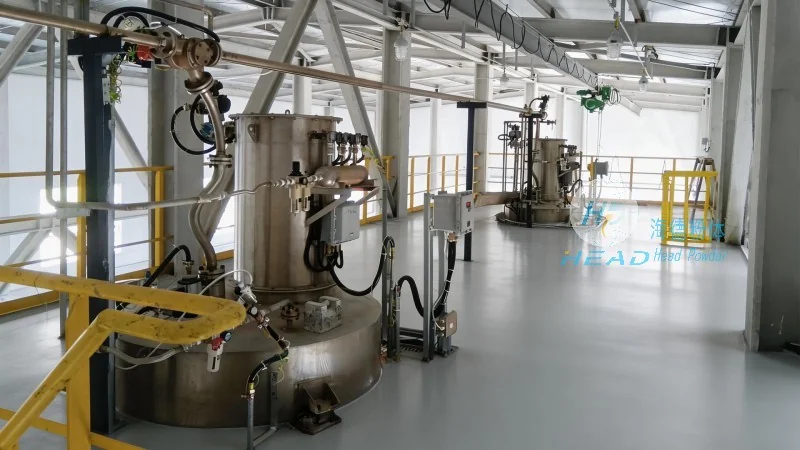
The design of a red mud pneumatic conveying system is based on several key principles to ensure optimal performance and reliability. First, the system must be capable of handling the abrasive and corrosive nature of red mud. This is achieved through the use of high-quality materials, such as stainless steel or specialized alloys, for components like the conveying pipes, valves, and pumps. Second, the system must maintain a consistent air flow rate to prevent particle segregation and ensure uniform material transport. This is controlled by variable frequency drives (VFDs) and pressure sensors that adjust the air supply based on the material flow rate. Third, the system incorporates dust collection and filtration systems to comply with environmental regulations and protect the environment from particulate emissions. These systems typically include cyclone separators and bag filters that capture and neutralize the fine particles before releasing air to the atmosphere.
Key Components and Their Functions
A red mud pneumatic conveying system consists of several critical components, each playing a vital role in the overall operation. The primary components include the material feed hopper, which stores and feeds the red mud into the system; the air compressor, which generates the necessary air pressure for conveying; the conveying line, which transports the material from the source to the destination; and the discharge unit, which releases the material at the receiving end. The material feed hopper is equipped with a rotary valve or a screw feeder to control the flow rate and prevent blockages. The air compressor, often a positive displacement type, provides the required pressure and volume of air. The conveying line is typically made of flexible or rigid tubing, depending on the application, and is designed to withstand the pressure and abrasion from the red mud. The discharge unit may include a rotary valve or a pressure vessel to regulate the material flow and prevent backflow.
Advantages of Using Red Mud Pneumatic Conveying Systems
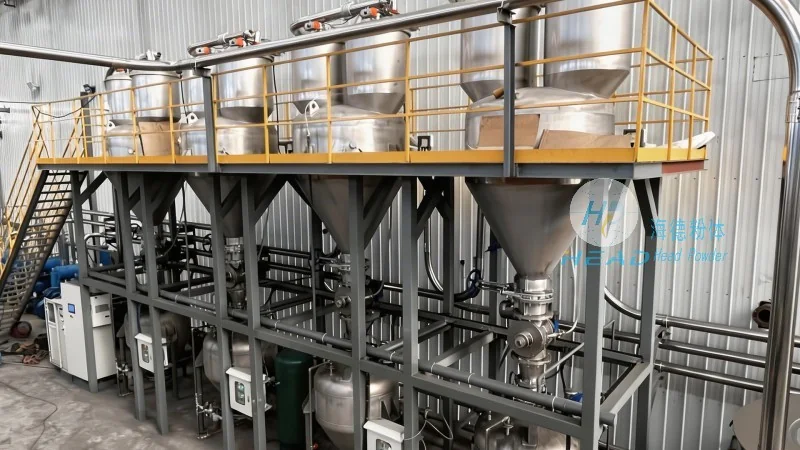
Implementing a red mud pneumatic conveying system offers numerous advantages over traditional handling methods. First, it significantly reduces the risk of dust and particulate emissions, improving environmental compliance and worker safety. The enclosed system prevents the release of fine particles into the air, minimizing the impact on the surrounding environment. Second, it enhances operational efficiency by eliminating the need for manual handling and reducing downtime due to blockages or maintenance. The automated control systems ensure consistent performance and reduce the need for frequent adjustments. Third, the system is highly flexible, allowing for changes in material flow rates and distances without major modifications. This adaptability makes it suitable for various industrial settings, from small-scale operations to large-scale processing plants. Additionally, the system reduces the wear and tear on equipment, leading to lower maintenance costs and longer equipment life.
Applications and Industries
Red mud pneumatic conveying systems are widely used in the aluminum industry, where they are essential for transporting red mud from the processing plant to disposal sites or for reuse in other applications. The systems are also applicable in other industries that generate similar abrasive and corrosive materials, such as the chemical and mining sectors. For example, in the chemical industry, pneumatic conveying systems are used to transport powders and granules, while in the mining industry, they help move ore and waste materials. The versatility of the system makes it a valuable asset in any industrial setting where material handling is a critical operation.
Conclusion
Red mud pneumatic conveying systems, designed and manufactured by Shandong HeadPowder Engineering Co., Ltd., represent a cutting-edge solution for the efficient and safe handling of red mud. By leveraging pneumatic technology, these systems address the challenges associated with traditional handling methods, offering improved environmental performance, operational efficiency, and cost-effectiveness. As industries continue to seek sustainable and reliable solutions for material handling, the red mud pneumatic conveying system remains a vital component in modern industrial operations. With its robust design and advanced features, the system ensures that red mud can be transported safely and effectively, contributing to the overall sustainability of industrial processes.




