Coconut shell powder, a byproduct of coconut processing, is widely utilized in industries such as activated carbon production, animal feed, and organic fertilizer. Efficient material handling is critical for processing and transporting this fine powder. Pneumatic conveying, which uses air to transport bulk materials, offers advantages like low maintenance, no mechanical contact, and suitability for fine powders like coconut shell powder. This article explores practical solutions for pneumatic conveying of coconut shell powder, focusing on technical approaches and considerations for effective material transport.
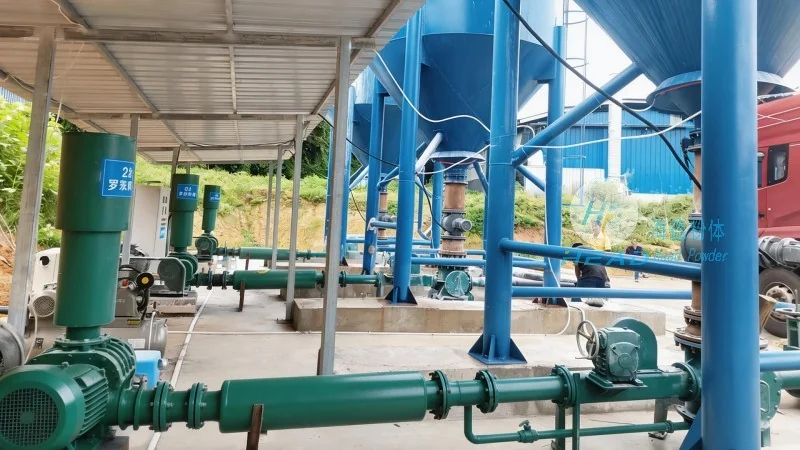
1. Positive Pressure Pneumatic Conveying Systems
Positive pressure systems are a common solution for conveying coconut shell powder. In this method, air is supplied under pressure to the conveying line, and the material is drawn into the system. Components typically include a blower, a hopper, and a conveying line. The blower generates pressure to move the powder, while the hopper stores and feeds the material. The line is usually made of stainless steel or plastic to prevent corrosion and buildup. This system is suitable for short to medium distances and handles a wide range of powder characteristics. A key advantage is its ability to handle abrasive materials without significant wear. However, it may require more energy due to constant pressure operation.
2. Negative Pressure (Vacuum) Pneumatic Conveying Systems
Negative pressure systems, or vacuum systems, operate by creating a vacuum in the conveying line. The material is drawn into the system from the source, with air exhausted from the system. This method is ideal for long-distance conveying and for materials sensitive to pressure or temperature changes. The system includes a vacuum pump, a hopper, and a suction line. The vacuum pump creates negative pressure, and the hopper feeds material into the line. The suction line connects to the source, drawing material in. Negative pressure systems are less noisy than positive pressure systems. However, they may struggle with very fine or cohesive powders, as the vacuum can cause material to stick to line walls.
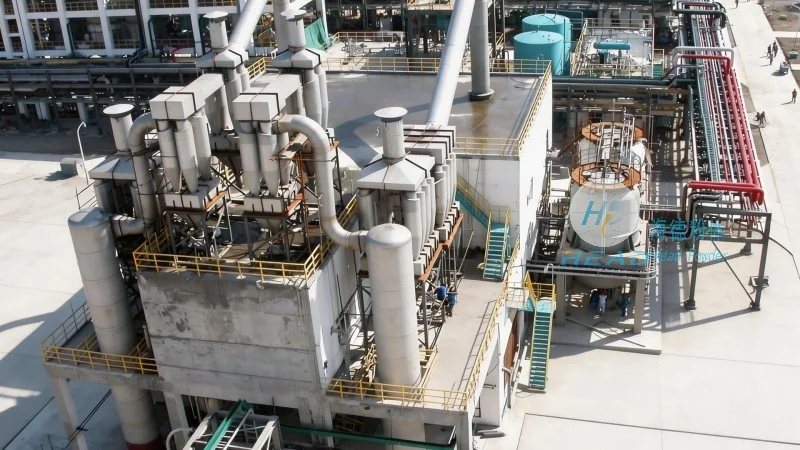
3. Hybrid Pneumatic Conveying Systems
Hybrid systems combine positive and negative pressure features for versatile material transport. They use a mix of pressure and vacuum to optimize conveying. For example, a hybrid system might use a positive pressure blower at the source to feed material into the line and switch to vacuum at the discharge end to ensure full discharge. This allows efficient long-distance transport while maintaining benefits of both systems. Hybrid systems are useful for complex networks with multiple destinations or stages. They adapt to varying powder characteristics but require complex control systems to regulate pressure and vacuum levels.
4. Material Handling Considerations
Implementing pneumatic conveying for coconut shell powder requires considering several factors. Particle size and moisture content are critical: fine powders need higher air velocities to prevent clogging, while high moisture can cause bridging. System design must account for these to avoid issues. Abrasive nature of the powder demands materials like stainless steel or high-grade plastic to minimize wear and extend equipment life. Proper filtration and dust collection are essential for compliance and safety, capturing fine particles to prevent emissions. Regular maintenance, including line cleaning, worn part replacement, and pressure/flow monitoring, is vital to prevent failures and maintain efficiency.
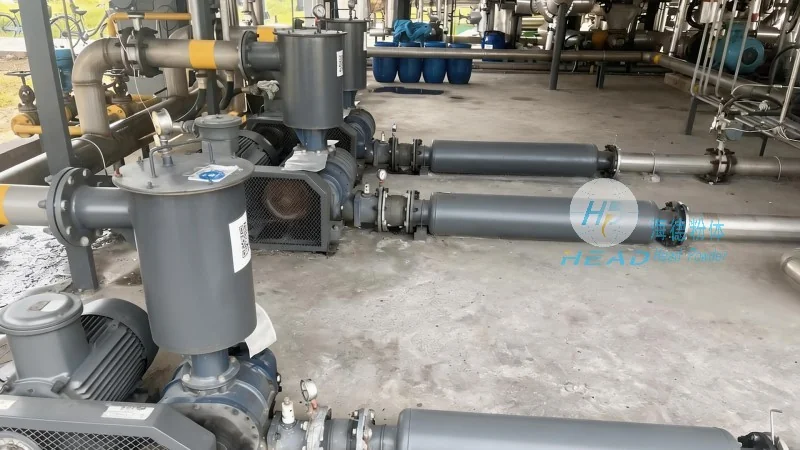
5. Application Examples
Coconut shell powder is key in activated carbon production for water treatment and air purification. Pneumatic systems transport it from storage to activation units. In animal feed, it serves as a feed additive, with systems moving it from storage to mixing/packaging facilities. Efficient conveying impacts production throughput and product quality: consistent raw material supply ensures activated carbon quality, while uniform mixing affects feed nutritional value.
6. Conclusion
Pneumatic conveying offers effective solutions for coconut shell powder transport, each with advantages and considerations. Positive pressure systems suit short to medium distances and abrasive materials. Negative pressure systems are ideal for long distances and quieter operation. Hybrid systems provide flexibility for complex networks. Successful implementation depends on material characteristics, system design, and maintenance. By selecting the right system and ensuring proper operation, manufacturers achieve efficient material handling, boosting productivity and product quality. Shandong HeadPowder Engineering Co., Ltd. specializes in customized pneumatic conveying solutions tailored to coconut shell powder processing needs, ensuring optimal performance and reliability for clients.




