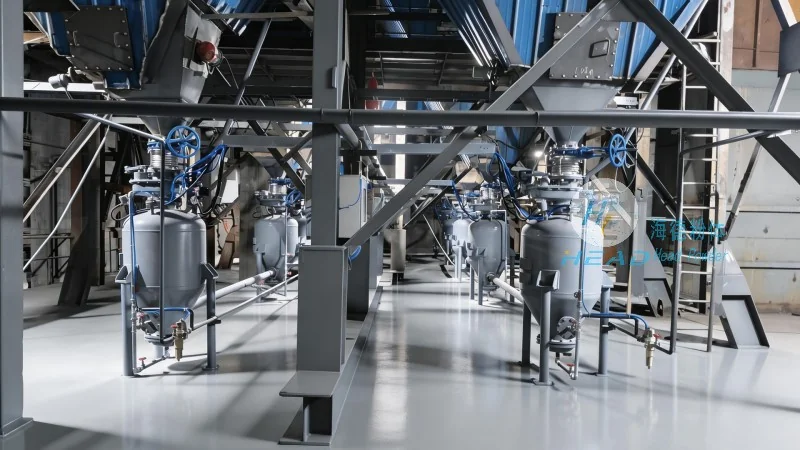
Ship loading and unloading pneumatic conveyors are specialized industrial equipment designed to transport bulk materials between ships and shore facilities, or vice versa. These systems utilize air pressure to move powders, granules, and other particulate materials efficiently and safely. As a key component in port logistics, they enhance operational efficiency by automating material transfer processes, reducing manual labor, and minimizing downtime.
Understanding the Core Function of Pneumatic Conveyors
Pneumatic conveyors operate on the principle of air movement. They can be categorized into two main types: positive pressure and negative pressure systems. Positive pressure systems blow air into the conveying line, pushing material forward, while negative pressure systems create a vacuum to draw material into the line. The choice between these systems depends on factors such as material characteristics, distance, and system complexity. For ship loading and unloading applications, positive pressure systems are often preferred due to their ability to handle high material loads and maintain consistent flow rates, even in challenging environmental conditions like those found at ports.
Key Design Principles for Efficient Material Handling
The design of a ship loading and unloading pneumatic conveyor involves several critical principles to ensure optimal performance. First, the system must be capable of handling a wide range of material types, from fine powders to coarse granules, without clogging or degradation. This requires careful selection of materials for the conveying line, such as stainless steel or high-density polyethylene, which resist corrosion and abrasion. Second, the system must maintain consistent air pressure and flow rates to prevent material segregation or uneven distribution. This is achieved through the use of high-quality air compressors, pressure regulators, and flow control valves. Third, the conveyor must be designed for easy maintenance and cleaning, as port environments are prone to contamination and wear. Features like quick-release fittings, removable sections, and self-cleaning mechanisms are essential for minimizing downtime and ensuring long-term reliability.
Components and Working Mechanism
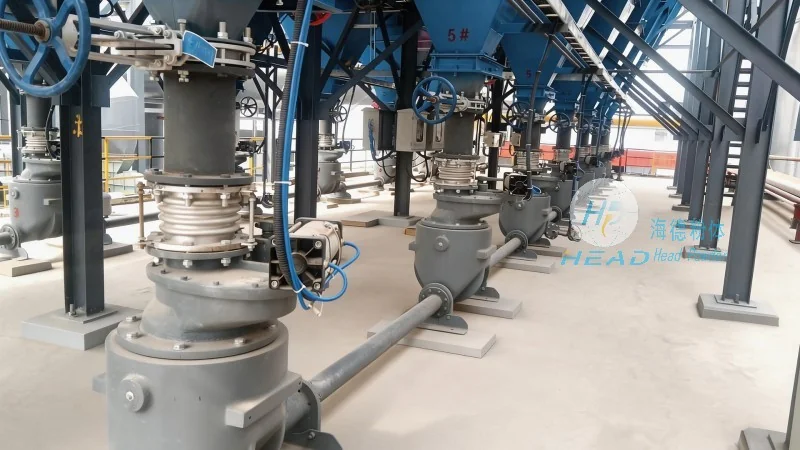
A typical ship loading and unloading pneumatic conveyor consists of several key components. The primary components include the material hopper, air compressor, conveying line, and discharge hopper. The material hopper is where the bulk material is stored before being fed into the system. It is equipped with a feeder, such as a rotary valve or screw feeder, which controls the flow rate of material into the conveying line. The air compressor generates the necessary air pressure to move the material through the line. The conveying line is usually made of flexible or rigid tubing, depending on the application, and is connected to the discharge hopper at the receiving end. The discharge hopper collects the material and directs it to its final destination, such as a storage silo or processing plant. The system operates by first filling the material hopper, then activating the feeder to release material into the conveying line. The air compressor then supplies compressed air, which pushes the material forward through the line. At the discharge end, the material is collected and the air is vented, completing the cycle.
Advantages of Using Pneumatic Conveyors in Port Operations
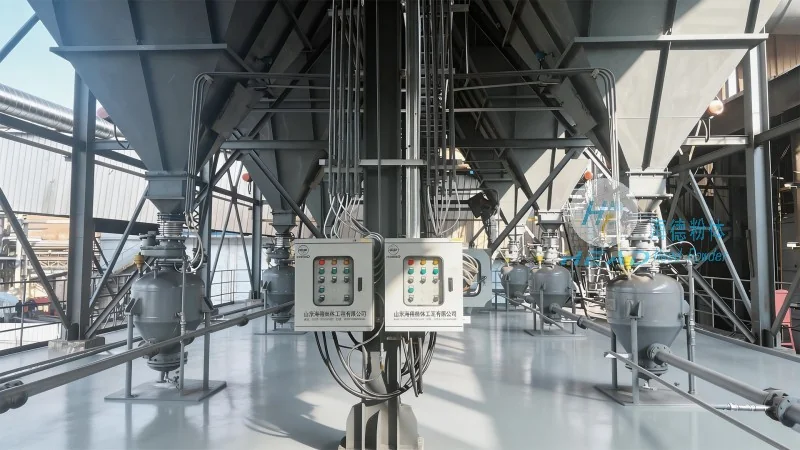
Implementing a pneumatic conveyor system in port operations offers numerous advantages. First, it significantly improves operational efficiency by automating the material transfer process, reducing the time required to load or unload ships. This leads to increased throughput and reduced shipping costs. Second, pneumatic conveyors are highly flexible and can be easily integrated into existing port infrastructure. They can be reconfigured to handle different material types or to adjust to changes in ship size or loading requirements. Third, these systems are more hygienic and safer than traditional methods, such as bucket elevators or belt conveyors. They eliminate the need for manual handling of materials, reducing the risk of accidents and contamination. Fourth, pneumatic conveyors are energy-efficient compared to other material handling systems, as they use less power to move materials over long distances. This results in lower operating costs and a smaller environmental footprint.
About Shandong HeadPowder Engineering Co., Ltd.
Shandong HeadPowder Engineering Co., Ltd., commonly known as HeadPowder, is a leading manufacturer of industrial pneumatic conveying systems. With a strong focus on innovation and quality, HeadPowder has established itself as a trusted partner for ports and industrial facilities worldwide. The company specializes in designing and manufacturing ship loading and unloading pneumatic conveyors that meet the highest standards of performance, reliability, and safety. HeadPowder's team of experienced engineers and technicians work closely with clients to understand their specific needs and develop customized solutions that optimize material handling processes. The company's products are known for their durability, efficiency, and ease of maintenance, making them a preferred choice for port operators and industrial companies alike. HeadPowder is committed to providing exceptional customer service and support, ensuring that clients receive the best possible solutions for their material handling challenges.




