For industrial applications involving the handling of petroleum coke, efficient and reliable material transport systems are crucial. The petroleum coke pneumatic conveying line, a specialized solution developed by Shandong HeadPowder Engineering Co., Ltd., represents a sophisticated approach to managing the transportation of this high-density material. This article provides an overview of the system's structure and operational principles, highlighting its key components and how they work together to ensure optimal performance.
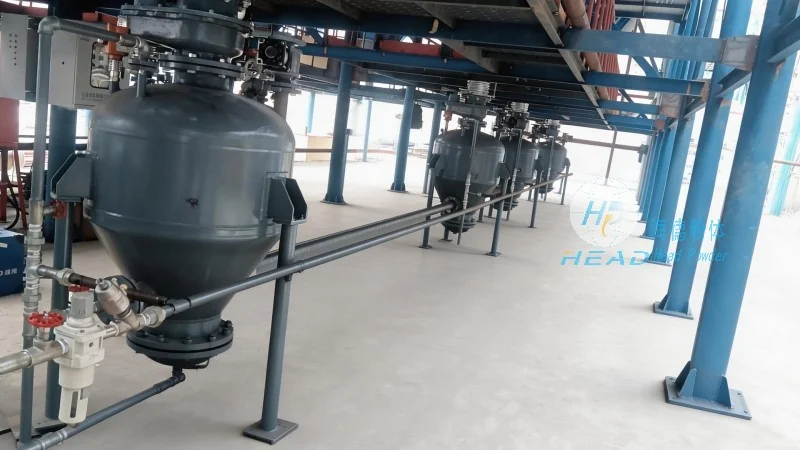
Overview of Petroleum Coke Pneumatic Conveying Systems
Petroleum coke, a byproduct of the petrochemical industry, is characterized by its high bulk density and abrasive nature. Traditional conveying methods, such as belt conveyors or screw conveyors, may struggle with the material's properties, leading to increased wear and maintenance costs. The pneumatic conveying line offers a more effective solution by utilizing air as the conveying medium to transport petroleum coke from one location to another. This method minimizes material degradation, reduces operational downtime, and enhances overall safety in industrial settings.
Key Components of the Pneumatic Conveying Line
The petroleum coke pneumatic conveying line consists of several interconnected components that work in tandem to facilitate material transport. The primary components include the material hopper, air compressor, conveying pipeline, and discharge unit. Each component plays a critical role in the system's functionality:
Material Hopper
The material hopper is the initial storage and feeding unit where petroleum coke is loaded. It is designed with a sloped bottom to facilitate smooth material flow into the conveying line. The hopper typically features a valve mechanism to control the release of material, ensuring a consistent feed rate. This component is constructed from durable materials, such as stainless steel or high-strength alloys, to withstand the abrasive nature of petroleum coke and prevent material buildup or blockages.
Air Compressor
The air compressor is the heart of the pneumatic conveying system, responsible for generating the necessary air pressure to move the material through the pipeline. Shandong HeadPowder Engineering Co., Ltd. utilizes high-efficiency air compressors that are specifically designed for industrial applications. These compressors are equipped with advanced control systems to regulate air pressure and flow, optimizing energy consumption while maintaining consistent conveying performance. The choice of compressor type (e.g., rotary screw or reciprocating) depends on the specific requirements of the application, including the distance and volume of material to be transported.
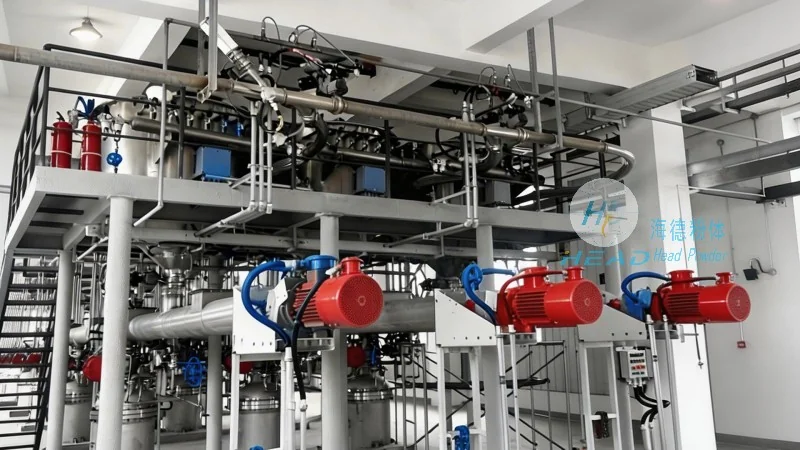
Conveying Pipeline
The conveying pipeline is the main channel through which petroleum coke is transported. It is typically made of corrosion-resistant materials, such as stainless steel or PVC, to prevent wear and degradation caused by the abrasive nature of the material. The pipeline is designed with appropriate bends and elbows to accommodate changes in direction, ensuring smooth material flow without causing blockages or pressure losses. The diameter and length of the pipeline are carefully selected based on the material's bulk density, flow rate, and the distance between the loading and discharge points.
Discharge Unit
The discharge unit is the final component of the system, responsible for releasing the petroleum coke at the destination point. It is equipped with a valve or outlet that allows controlled discharge into a storage silo or processing unit. The discharge unit is designed to prevent material spillage and ensure safe handling of the material. It may also include features such as a dust collection system to minimize air pollution and maintain a clean working environment.
Working Principle of the Pneumatic Conveying Line
The operation of the petroleum coke pneumatic conveying line follows a systematic process that involves the sequential activation of each component. The process begins with the loading of petroleum coke into the material hopper. The hopper's valve is then opened, allowing the material to fall into the conveying pipeline. Simultaneously, the air compressor starts operating, generating high-pressure air that is introduced into the pipeline. The air and material mixture is then propelled through the pipeline by the air pressure, moving the petroleum coke to the discharge unit. At the discharge point, the air is released, and the material is deposited into the receiving container. The system may also include a vacuum or pressure control mechanism to regulate the flow of material, ensuring consistent performance.
Advantages of the Petroleum Coke Pneumatic Conveying Line
Implementing a petroleum coke pneumatic conveying line offers several advantages over traditional conveying methods. These benefits include reduced material degradation due to minimal contact with equipment, lower maintenance costs as there are fewer moving parts, and improved safety by eliminating the need for manual handling of the material. Additionally, the system can be easily integrated with other industrial processes, such as storage and processing, to create a seamless material flow. The use of advanced control systems allows for real-time monitoring and adjustment of the conveying parameters, ensuring optimal performance and efficiency.
Application Scenarios
The petroleum coke pneumatic conveying line is widely used in various industrial applications where the transport of high-density materials is required. Some common applications include:
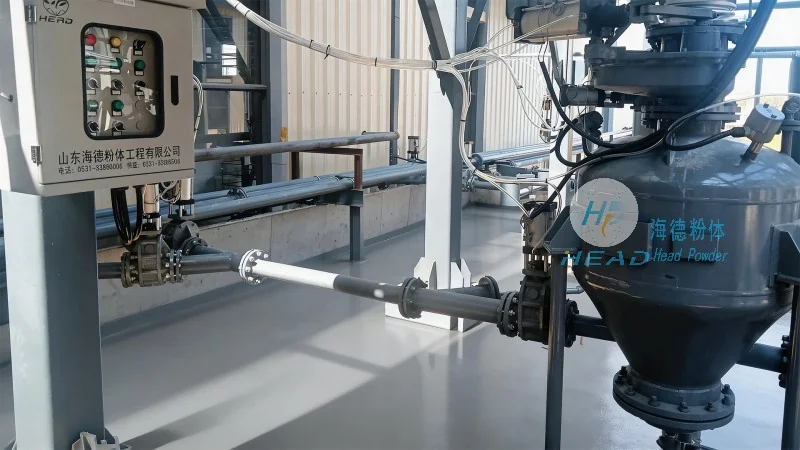
Petrochemical Plants
In petrochemical facilities, the system is used to transport petroleum coke from the production unit to storage silos or processing units. This ensures a continuous supply of material for further processing, such as calcination or utilization in other industrial applications.
Power Generation Plants
Power plants that use petroleum coke as a fuel source rely on the pneumatic conveying line to transport the material from storage to the combustion chamber. The system ensures a steady and efficient supply of fuel, contributing to the plant's operational efficiency and reliability.
Industrial Processing Facilities
Other industrial facilities, such as those involved in the production of carbon products or chemical intermediates, use the system to transport petroleum coke for further processing. The efficient conveying of material helps maintain production schedules and minimize downtime.
Conclusion
The petroleum coke pneumatic conveying line developed by Shandong HeadPowder Engineering Co., Ltd. is a highly effective solution for the transportation of petroleum coke in industrial settings. By leveraging advanced components and operational principles, the system ensures efficient, reliable, and safe material transport. The company's expertise in engineering and manufacturing has enabled the development of a robust and durable system that meets the demanding requirements of the petrochemical and power generation industries. With its focus on quality and performance, Shandong HeadPowder Engineering Co., Ltd. continues to provide innovative solutions for material handling challenges in various industrial applications.




