Aluminum nitride (AlN) is a high-performance ceramic material widely utilized in semiconductor manufacturing, electronics, and advanced materials industries due to its excellent thermal conductivity, electrical insulation properties, and chemical stability. The efficient handling and transportation of AlN powder is critical for maintaining product quality and operational efficiency in production lines. Pneumatic conveying systems offer a reliable solution for this purpose, enabling the safe and effective transport of AlN powder from storage to processing equipment. This article provides an overview of the structure and working principles of aluminum nitride pneumatic conveying systems, highlighting key components and operational mechanisms.
Key Components of the Pneumatic Conveying System
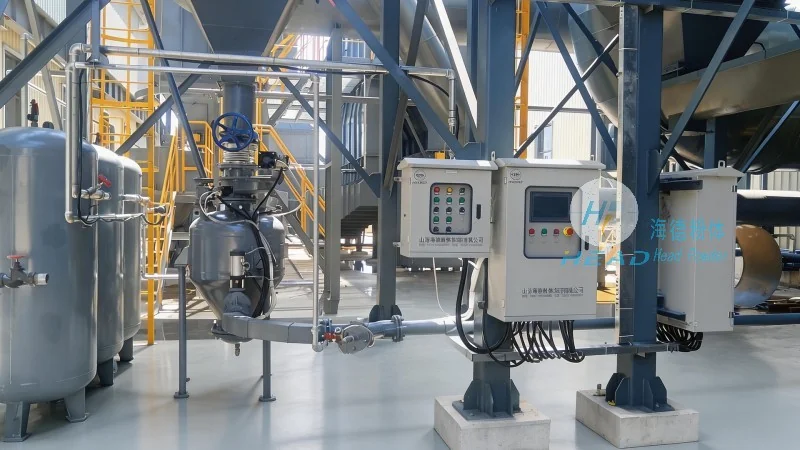
The aluminum nitride pneumatic conveying system consists of several critical components that work in tandem to ensure smooth material transport. The primary components include a hopper for material storage, a feeder to control the flow rate of AlN powder, a conveying line (usually a pipeline) that transports the material, a pressure vessel or receiver to collect the material at the destination, and a blower or compressor that generates the air flow. Each component plays a vital role in the overall system performance and efficiency.
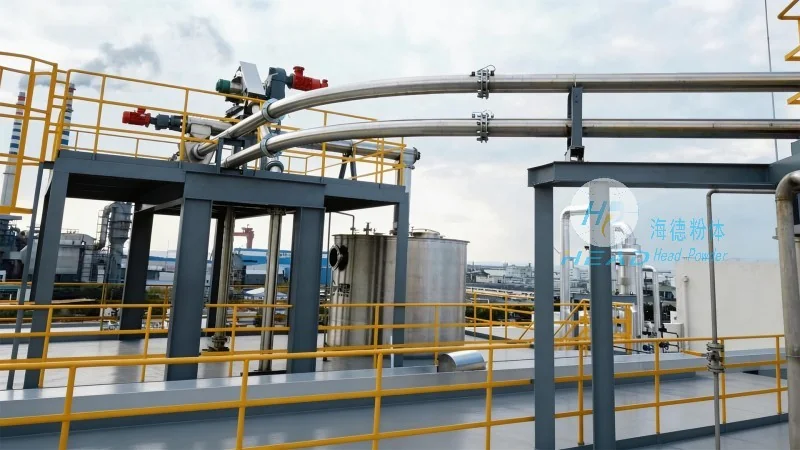
The hopper is designed to hold a large quantity of AlN powder, ensuring a consistent supply to the feeder. It is typically made of corrosion-resistant materials to prevent contamination and material degradation. The feeder, often a rotary valve or a screw feeder, regulates the discharge rate of the powder, maintaining a stable flow that matches the system's capacity. The conveying line is usually made of stainless steel or other inert materials to avoid chemical reactions with the AlN powder. The pressure vessel or receiver at the end of the line collects the material and may include a filter to remove any fine particles or dust. The blower or compressor provides the necessary air pressure and volume to move the powder through the pipeline, with the air flow rate being carefully controlled to prevent material degradation or blockages.
Working Principles of the Pneumatic Conveying Process
The operation of the aluminum nitride pneumatic conveying system is based on the principle of fluidization and suspension of the powder particles in the air stream. The process can be categorized into two main types: dilute-phase and dense-phase conveying, each with distinct characteristics and applications.
In dilute-phase pneumatic conveying, the powder is suspended in the air stream as individual particles, moving through the pipeline at relatively high velocities. This method is suitable for long-distance transport and is commonly used when the material is relatively fine and non-abrasive. The air flow rate is high, typically ranging from 20 to 50 m/s, ensuring that the particles remain suspended and do not settle out of the air stream. The system operates under low pressure, usually below 0.5 bar, and is efficient for transporting large volumes of material over long distances.
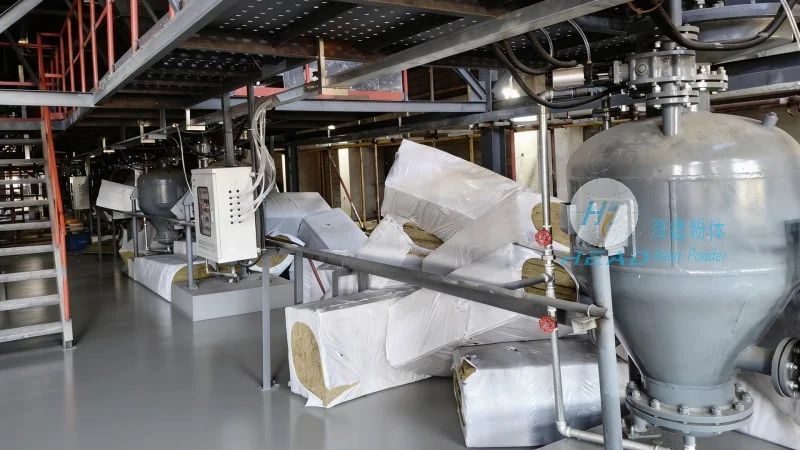
In dense-phase pneumatic conveying, the powder is conveyed in a more compact form, with particles moving in a plug flow or slurry-like state. This method is preferred for handling abrasive or sensitive materials like AlN, as it reduces particle impact and friction, minimizing wear on the system components and preserving the material's quality. The air flow rate is lower, typically around 5 to 15 m/s, and the system operates under higher pressure, often between 1 to 5 bar. Dense-phase conveying is ideal for short to medium distance transport and for applications where product integrity is critical.
System Design Considerations for Aluminum Nitride Handling
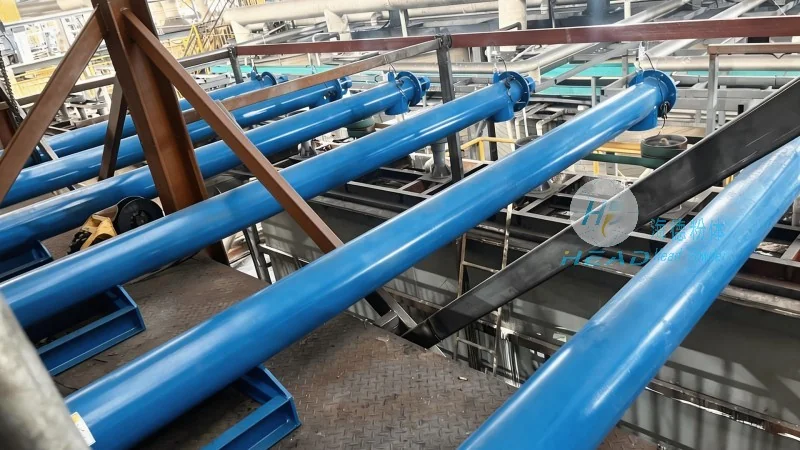
When designing a pneumatic conveying system for aluminum nitride, several factors must be considered to ensure optimal performance and material protection. The first consideration is the material's properties, such as its particle size distribution, density, and abrasiveness. AlN powder typically has a particle size ranging from 1 to 100 microns, with a bulk density of around 3.26 g/cm³. The abrasive nature of AlN requires the use of wear-resistant components, such as lined pipelines and hardened valves, to extend the system's lifespan and maintain efficiency.
Another critical factor is the system's pressure and flow rate. The design must ensure that the air velocity is sufficient to keep the particles suspended but not so high as to cause excessive wear or energy consumption. The system's capacity is determined by the feeder's output and the pipeline's diameter, with larger diameters allowing for higher flow rates and lower pressure drops. Additionally, the system must be equipped with proper filtration and dust collection to prevent environmental contamination and maintain air quality in the processing environment.
Operational Efficiency and Maintenance
The efficiency of an aluminum nitride pneumatic conveying system depends on regular maintenance and proper operation. Regular inspection of components, such as the hopper, feeder, and pipelines, is essential to detect and address any wear or blockages. The blower or compressor should be checked for proper air pressure and flow, with filters and lubrication systems maintained to ensure optimal performance. The system's control system, which regulates the feeder speed and air flow, must be calibrated regularly to maintain consistent material transport rates.
Proper maintenance also includes cleaning the system after each use to prevent material buildup and contamination. The use of appropriate cleaning agents and methods, such as air purge or mechanical cleaning, helps maintain the system's performance and extends its operational life. By adhering to a regular maintenance schedule, the system can operate at peak efficiency, minimizing downtime and ensuring consistent product quality.




