Shandong HeadPowder Engineering Co., Ltd., a leading enterprise in the field of powder processing technology, specializes in the design, manufacturing, and installation of advanced pneumatic conveying systems. The company, operating from its base in Shandong, China, has established itself as a trusted partner for industries requiring efficient and reliable material handling solutions, particularly for inorganic salt crystal materials. This article provides a detailed exploration of the operation process and working principle of such a system, highlighting the technical aspects and practical applications that define its effectiveness.
Overview of the Pneumatic Conveying System
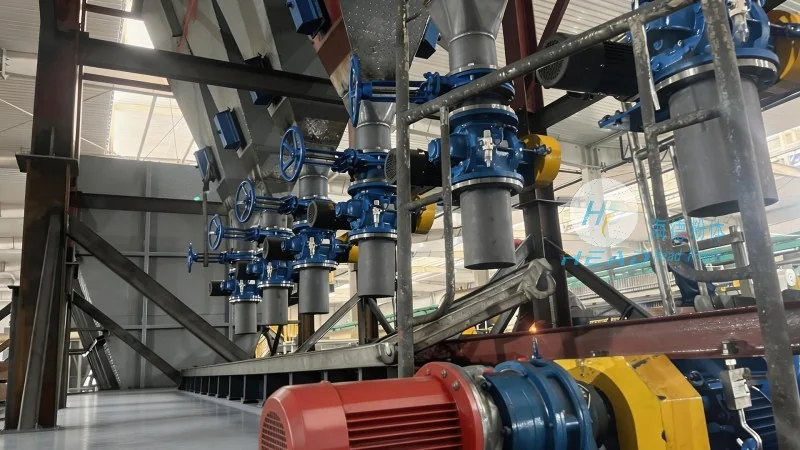
The pneumatic conveying system for inorganic salt crystal materials is a sophisticated piece of equipment designed to transport bulk materials through a pipeline using air or other gases as the conveying medium. This technology offers a non-contact, low-maintenance method for moving materials that are often abrasive or sensitive to handling. The system typically consists of several key components, including a material hopper, a feeder, a conveying line, a separator, and a dust collector. Each component plays a crucial role in ensuring the smooth and efficient operation of the entire system.
Key Components and Their Functions
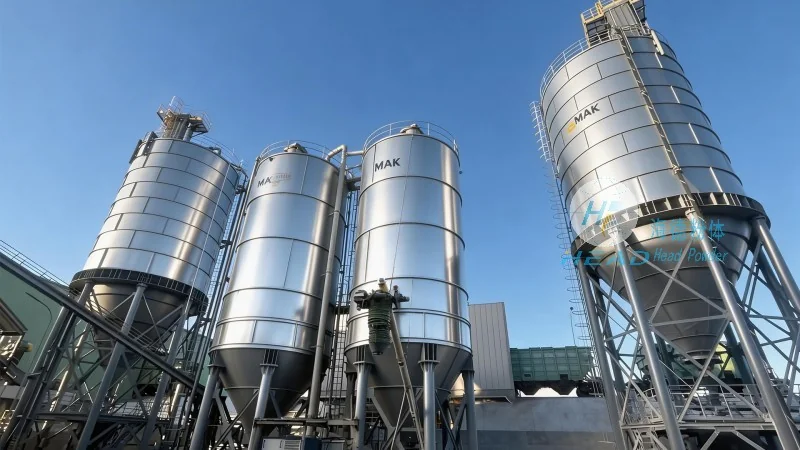
1. Material Hopper: This is the initial storage unit where the inorganic salt crystal materials are stored before being fed into the system. The hopper is designed to hold a sufficient quantity of material to maintain a consistent flow rate, preventing interruptions in the conveying process. It often includes a level indicator to monitor the material inventory and a discharge valve for controlled release.
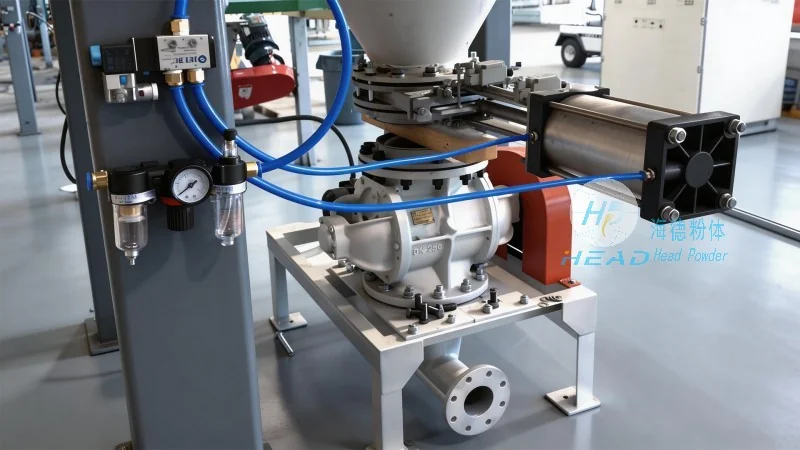
2. Feeder: The feeder is responsible for accurately controlling the flow rate of the material from the hopper into the conveying line. For inorganic salt crystals, which can be prone to bridging or clogging, a suitable feeder such as a rotary valve or a screw feeder is used. This component ensures that the material is fed at a steady rate, matching the conveying capacity of the system and maintaining system efficiency.
3. Conveying Line: The conveying line is the central part of the system, where the material is transported through the pipeline. It is typically made of corrosion-resistant materials like stainless steel or polyethylene to withstand the abrasive nature of the inorganic salt crystals. The line is equipped with pressure vessels or ducts that are sealed to maintain the air pressure required for conveying. The design of the line, including its diameter and length, is optimized to minimize pressure drop and energy consumption.
4. Separator: As the material travels through the conveying line, it may carry fine particles or dust. The separator is installed at the end of the line to separate the material from the air stream. This component uses gravity or centrifugal force to allow the heavier material to fall into a collection bin while the air is discharged through a filter. The separator is crucial for maintaining material purity and preventing dust contamination in downstream processes.
5. Dust Collector: The dust collector is an integral part of the system, designed to capture any airborne particles that escape the separator. It uses filtration systems, such as bag filters or cartridge filters, to remove dust from the air before it is released into the environment. This not only ensures compliance with environmental regulations but also protects the health and safety of personnel working with the system.
Operation Process of the System
The operation of the pneumatic conveying system for inorganic salt crystal materials follows a systematic sequence of steps to ensure efficient material transport. The process begins with the loading of the material into the hopper. Once the hopper is filled, the feeder starts to discharge the material at a controlled rate. Simultaneously, the conveying air is introduced into the system, creating a pressure differential that propels the material through the conveying line. The material travels at high velocity, often reaching speeds of several meters per second, depending on the system design and material characteristics.
As the material moves through the line, it passes through the separator, where it is separated from the air. The separated material falls into the collection bin, while the air is filtered by the dust collector and then discharged. The entire process is automated, with sensors and control systems monitoring key parameters such as pressure, flow rate, and material level. This automation ensures that the system operates consistently and efficiently, minimizing the need for manual intervention and reducing the risk of operational errors.
Working Principle of the System
The working principle of the pneumatic conveying system is based on the fundamental concept of fluidization and transport of solid particles in a gas stream. When air is introduced into the conveying line at a sufficient velocity, it creates a fluidized state where the inorganic salt crystals are suspended and carried along with the air. This suspension is achieved by maintaining a pressure higher than the ambient pressure in the conveying line, which forces the air to flow through the material and lift it into the pipeline.
The pressure differential between the hopper and the conveying line is maintained by a blower or a compressor, which provides the necessary air flow. The pressure is typically maintained at a level that is sufficient to overcome the resistance of the conveying line and the weight of the material. The design of the system, including the size of the blower and the length of the line, is carefully calculated to ensure that the pressure drop is minimized, thus reducing energy consumption and operating costs.
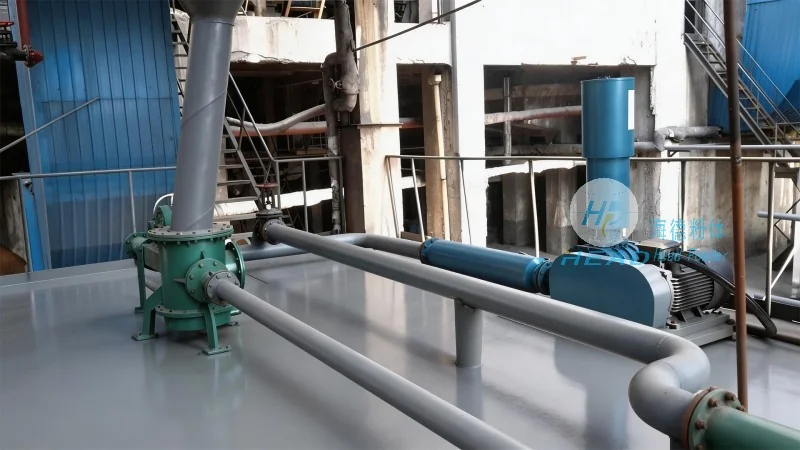
The system operates in either positive or negative pressure modes. In positive pressure systems, the conveying line is pressurized above atmospheric pressure, which helps to prevent dust leakage and maintain material integrity. In negative pressure systems, the line is maintained at a slight vacuum, which draws the material from the hopper and into the line. The choice between these modes depends on the specific application and the characteristics of the material being conveyed.
Advantages and Applications
The pneumatic conveying system for inorganic salt crystal materials offers several advantages over traditional material handling methods. These include non-contact handling, which prevents contamination and damage to the material, especially for sensitive or abrasive crystals. The system also provides a continuous and uniform flow of material, which is essential for processes that require consistent feed rates, such as in chemical processing or food production.
Additionally, the system is highly flexible and can be adapted to various production requirements. It can handle a wide range of material sizes and densities, making it suitable for different types of inorganic salt crystals, including sodium chloride, potassium chloride, and other similar materials. The system is also easy to integrate with existing production lines, allowing for seamless integration and minimal disruption to operations.
Shandong HeadPowder Engineering Co., Ltd. has successfully implemented such systems in various industries, including chemical manufacturing, food processing, and pharmaceuticals. The company's expertise in designing and installing these systems ensures that clients receive tailored solutions that meet their specific needs and operational requirements. By leveraging advanced technology and a deep understanding of material handling, the company has helped numerous businesses improve their efficiency, reduce costs, and enhance product quality.




